
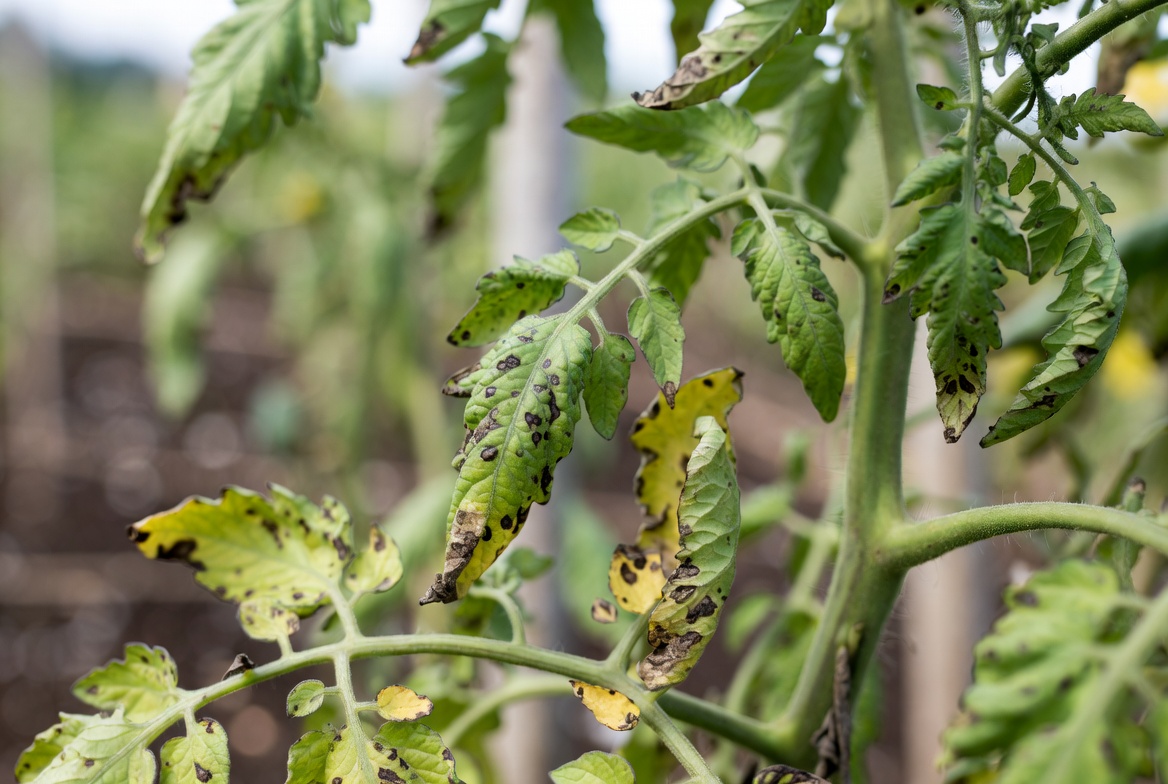
Picture this: you stroll out to your garden on a perfect July morning, expecting to bask in the glory of your towering tomato plants—only to freeze in horror as dark, concentric bull’s-eye spots glare back at you from the lower leaves of your tomatoes, yellowing and crisping their way upward like an invading army. Early blight has just crashed the party, threatening to wipe out your harvest in weeks. But don’t panic and don’t reach for the toxic spray just yet—this fungal villain is tough, but completely beatable when you know its weaknesses. In the next few minutes, you’ll turn into an early blight organic treatment pro: spotting it before it spreads, blocking it with pro-level prevention, and hitting it with treatments that actually work. Your juiciest, most triumphant tomato season yet starts right now—let’s save those plants together.
Quick fact
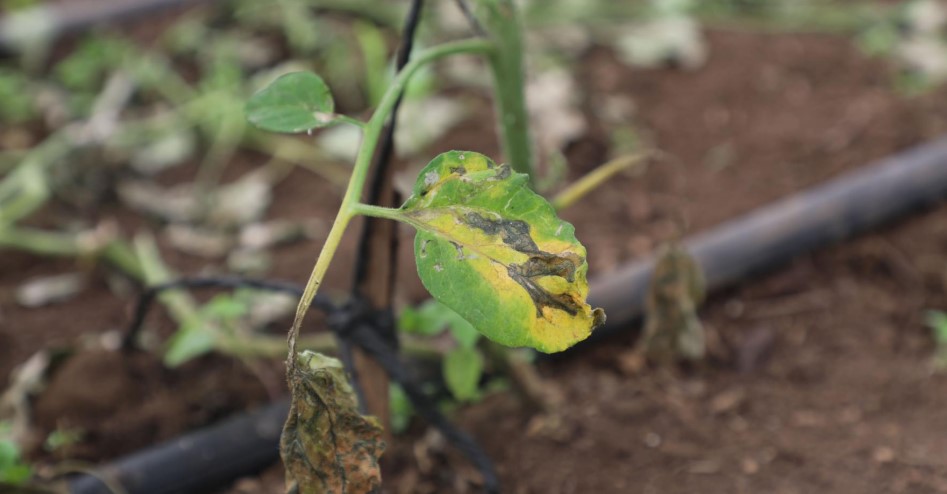
Although it is called “Early Blight,” the disease does not appear early in the growing season. Instead, early blight always begins on the older, lower leaves near the soil first. Often, after the plant has already set fruit, it slowly advances upward as the season advances.
What is Early Blight?
Early blight is a common and destructive fungal disease of tomatoes (and potatoes) caused by the pathogen Alternaria solani, which thrives in warm, humid conditions. It typically appears first on the lower, older leaves as small, dark brown to black spots with distinctive concentric rings that resemble a bull’s-eye. These spots enlarge, merge, and cause affected leaves to yellow, wither, and drop prematurely. Unlike late blight, early blight progresses more gradually, making early detection and consistent management the keys to controlling it.

What are the Symptoms of Early Blight in Tomatoes?
Spotting early blight quickly is key to limiting damage, as it spreads fast in wet, warm weather. Symptoms start on the plant’s oldest, lowest leaves and climb upward. The following are the common symptoms of early blight in Tomatoes.
- Tiny/small dark brown or black spots that expand into classic “target” patterns—concentric rings of lighter and darker tissue.
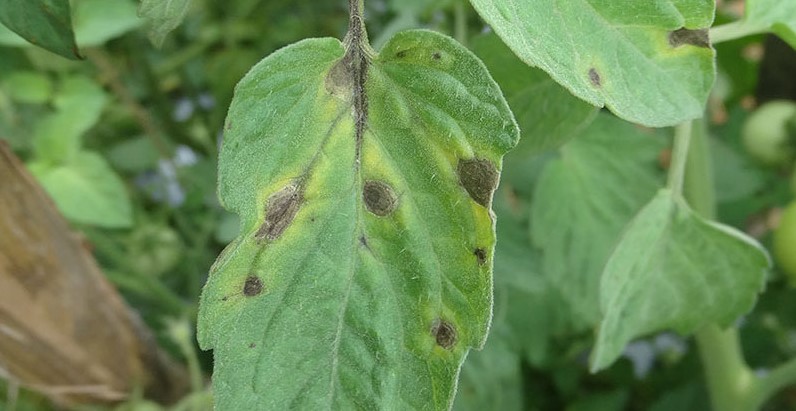
- Oval, dark streaks with the same ring pattern.
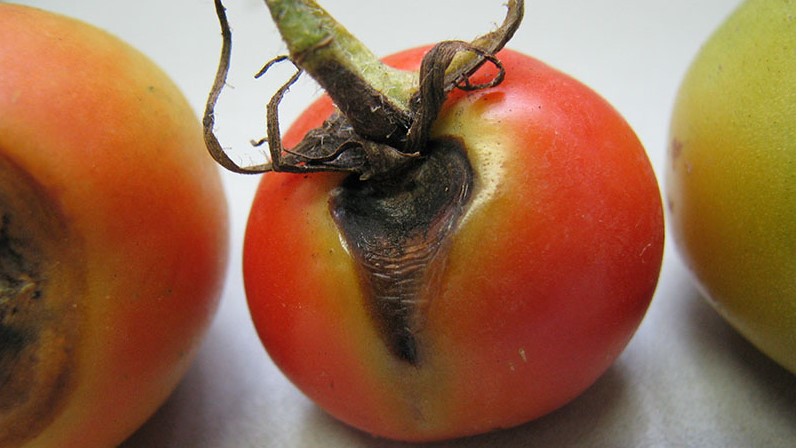
- Sunken, leather-like patches on the fruits, usually near the stem scar.
- Enlarged lesions: These spots grow to 1/4 to 1/2 inch in diameter, becoming more prominent.
- Concentric rings: The lesions develop target-like or bull’s-eye patterns with alternating dark and light rings.
- Yellow halos: A yellow border or halo often surrounds the spots, indicating tissue damage.
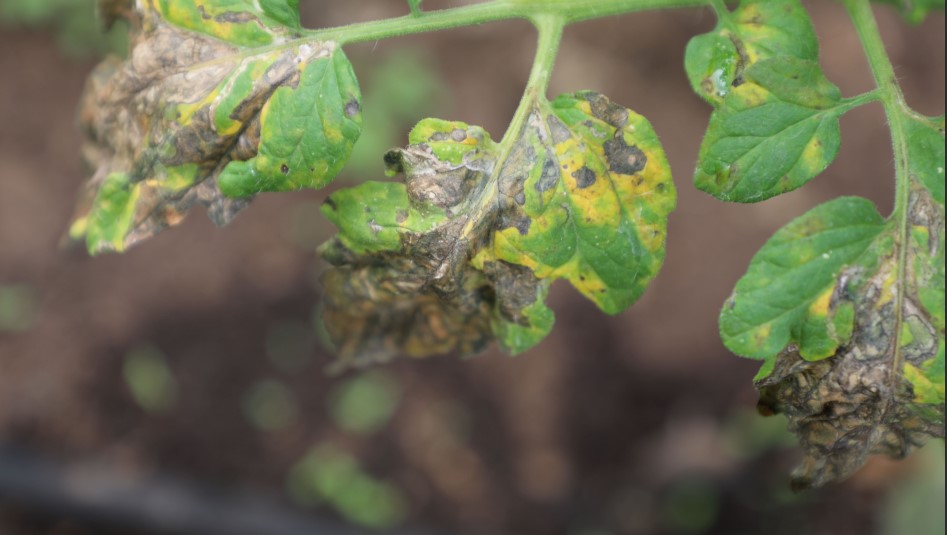
- Leaf yellowing: Affected leaves gradually turn yellow, starting around the lesions.
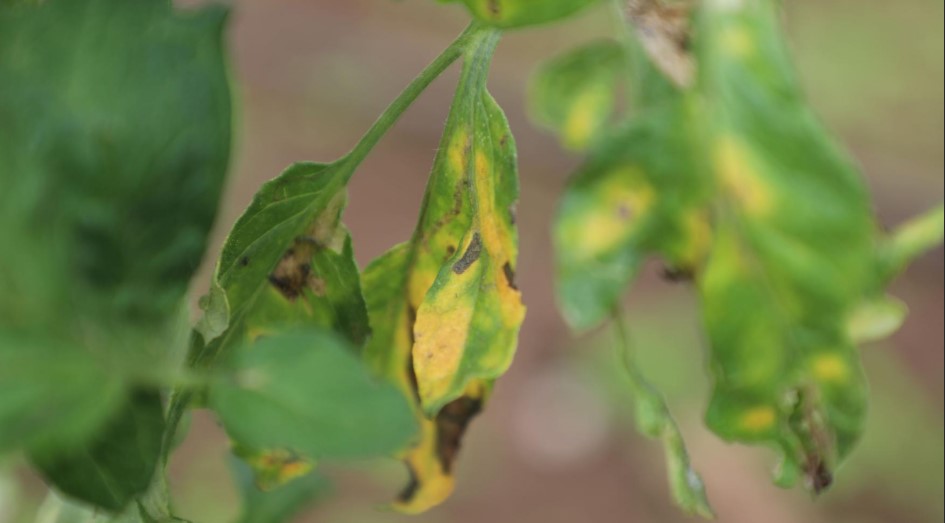
- Browning and wilting: Infected leaves turn brown, wilt, and become dry or brittle.
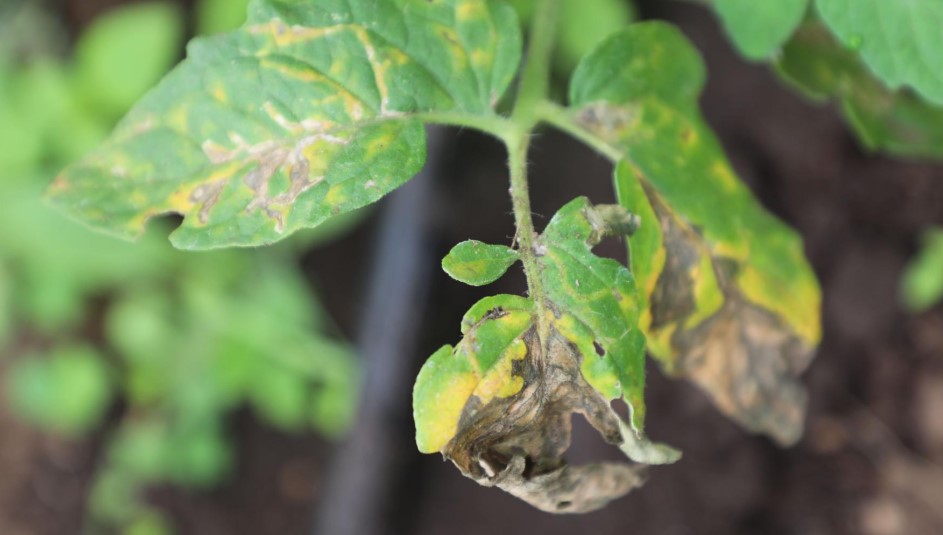
- Defoliation: Leaves drop off prematurely, beginning from the bottom of the plant and moving upward.
- Premature fruit drop: Infected fruits may fall early
Related: Tomato Late Blight: Causes, Symptoms & Organic Treatment
Organic Control and Treatment of early Blight of tomatoes
If you discover an outbreak of this disease early enough, you may be able to save your tomatoes. The fruits may still be edible if the blight gets confined to the foliage. As they say, prevention is better than a cure. We will begin with early blight prevention methods before treatments
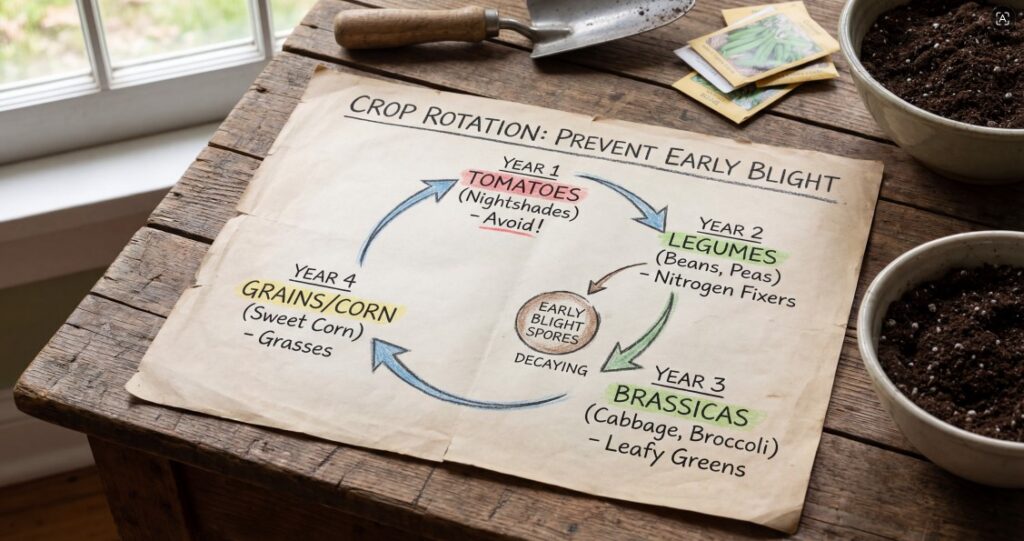
1. Crop Rotation
Every time you grow tomatoes in the same spot year after year, you increase the risk of developing an early blight infection. To reduce this risk, make sure the crop next season is from a different family than tomatoes. Any crop from the nightshade family, such as eggplant, can also be infected by the fungus
2. Use of mulch.
The pathogen, Alternaria solani, often survives in the soil or debris. The spores of this pathogen are easily splashed onto lower leaves during rain or overhead irrigation. Adding a layer of organic mulch creates a physical barrier between the soil and the leaves, reducing soil splash, thereby limiting the transfer of spores to foliage.
3. Pull nightshade weeds (e.g., horsenettle) that harbor the pathogen.
These weeds can become infected by the same pathogen, and so they become alternative hosts that harbor the causal fungus, Alternaria solani or A. tomatophila, allowing it to survive and multiply on them between tomato crops or seasons. The infected weeds serve as reservoirs of spores that can spread via wind or rain splash to nearby tomatoes, initiating infections. By removing these weeds, you reduce the overall pathogen load in and around the garden, breaking the disease cycle.
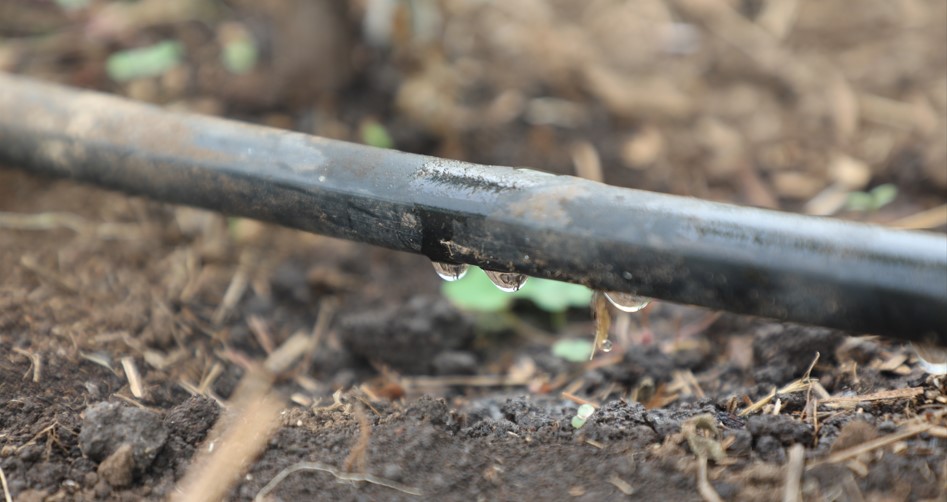
4. Watering at the root.
Water at the root zone with drip lines helps prevent early blight in tomatoes by keeping the foliage dry, reducing the humid conditions and leaf wetness that the pathogen needs to thrive. This gentle watering also minimizes the splash of soil-borne fungal spores unto the lower leaves thereby preventing early blight. Avoid overhead irrigation as much as possible.
Organic Treatment for Early Blight of Tomatoes
There are many organic early blight sprays used by organic gardeners worldwide. The following are some of the most common and readily available ones.
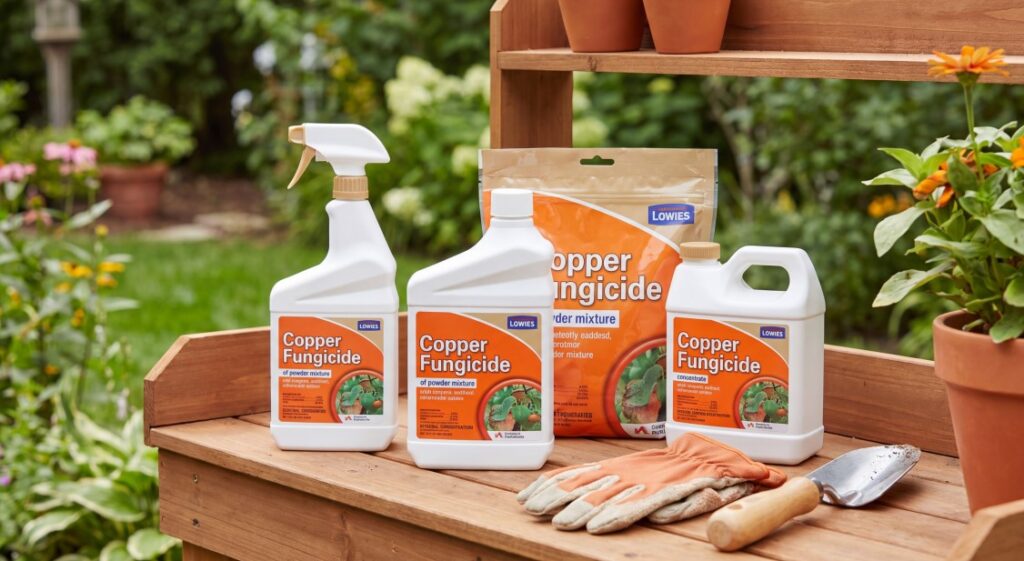
1. Copper-based sprays
Copper-based fungicides are widely used as protective and curative treatments to manage early blight in tomatoes. These products work primarily by releasing copper ions that disrupt the fungal spores and mycelial growth upon contact, thereby preventing further spread
2. Biologicals controls
Lactic acid bacteria such as Lactobacillus plantarum and Lactobacillus fermentum offer promising biocontrol potential against early blight of tomatoes. These beneficial microbes produce organic acids (such as lactic acid), bacteriocins, and other antifungal metabolites that directly inhibit spore germination, mycelial growth, and fungal development by acidifying the microenvironment and disrupting pathogen cell membranes.
3. Bicarbonates
Sodium bicarbonate (baking soda) and potassium bicarbonate are accessible, eco-friendly contact fungicides for controlling early blight on tomatoes. When applied as foliar sprays, bicarbonates raise the pH on the leaf surface to a more alkaline level (around 8.0–8.3), creating an unfavorable microenvironment that inhibits spore germination, disrupts fungal cell membranes and enzyme activity, and slows mycelial growth and lesion expansion.
4. Plant extracts
Various plant extracts have been proven to control and treat early blight of tomatoes. Garlic clove extract, neem leaf or seed extract, ginger, eucalyptus, and others are applied as aqueous foliar sprays.

These extracts contain bioactive compounds such as allicin in garlic and azadirachtin in neem that inhibit spore germination, disrupt mycelial growth, and reduce lesion development by interfering with fungal cell membranes, enzyme activity, and metabolism.
5. Compost tea
Compost tea made from well-aged compost is a valuable organic tool for suppressing early blight in tomatoes. When applied on the foliage, it delivers a diverse community of beneficial microorganisms such as Bacillus species and actinomycetes that colonize leaf surfaces, directly antagonizing the pathogen by competing for space and nutrients, producing antifungal compounds, and inhibiting spore germination and mycelial growth
Additionally, compost tea strengthens plant defenses by inducing systemic resistance and supplies mild nutrients that promote vigorous growth, helping tomatoes better tolerate infection.
Conclusion
Don’t let early blight rob you of a bountiful tomato harvest this season. By combining smart prevention—such as crop rotation, mulching, and proper watering—with timely organic treatments like copper sprays, lactic acid bacteria, bicarbonates, plant extracts, and compost tea, you can effectively protect your plants and keep the disease in check.
6 thoughts on “Early Blight of Tomatoes: A Detailed Guide”