
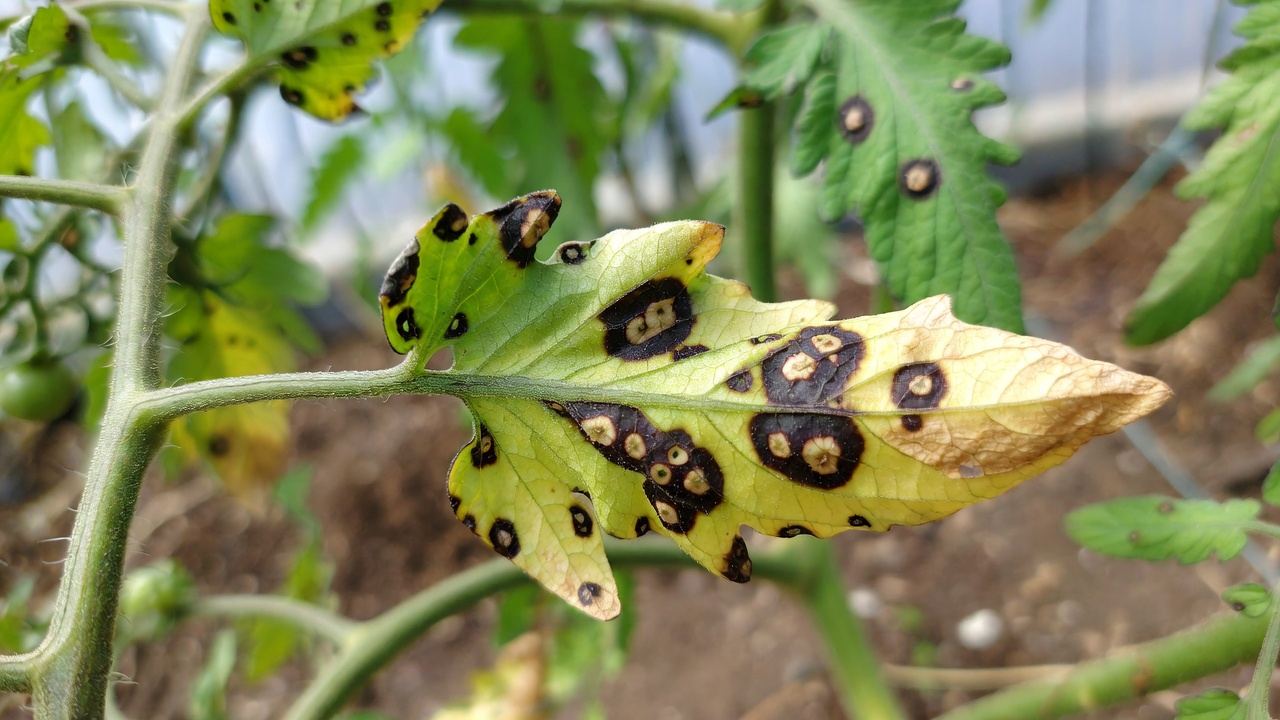
Almost every cook loves tomatoes, and most gardeners consider them their favorite crop to grow. Yet, tomato farming comes with one major challenge: tomatoes are highly susceptible to a wide range of diseases that can quickly damage plant growth, reduce yields, and lower fruit quality. For beginner gardeners, this often leads to frustration and heartbreaking losses; sometimes an entire crop is lost to unknown diseases or to a disease that is not wholly recognized or fully understood. That’s why knowing the common tomato diseases, their causes and symptoms, and how to manage them effectively should be a top priority for every gardener. In this guide, we’ll walk you through the most common tomato diseases, their key symptoms, and the best organic sprays and treatments to protect your harvest.
Quick fact
According to research from 2022, China is the number one producer of Tomatoes in the world. Producing about 67.5 million tonnes. This accounts for over 34% of the world’s production. Find the top 10 countries here.
Causes of Tomato Diseases
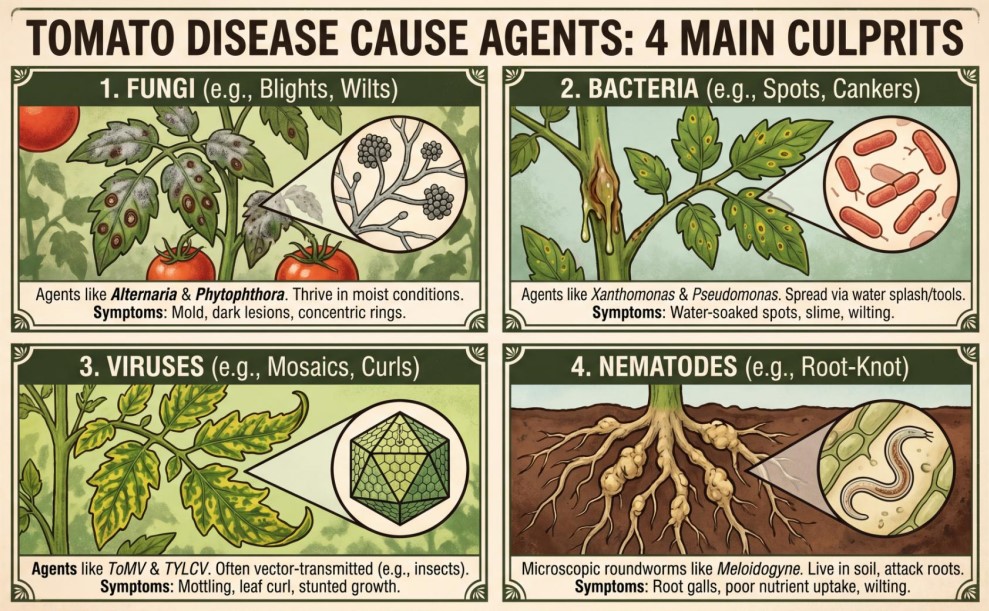
Tomato diseases are primarily caused by a variety of biotic and abiotic factors. The main biotic causes include
- Fungal pathogens such as Alternaria solani, which causes early blight
- Bacterial agents like Ralstonia solanacearum which causes bacterial wilt
- Viral infections that cause Tomato Yellow Leaf Curl Virus
- Nematodes, which are a cause of root-knot nematodes
Abiotic causes include things like nutrient deficiencies unfavorable environmental conditions, poor soil drainage and extreme temperatures.
These diseases can lead to leaf drop, poor-quality fruit, and meager yields, or even a complete crop loss. To prevent crop death, early identification and management of the disease are necessary. Let’s begin!
Fungal Tomato Diseases (Diseases caused my fungi)
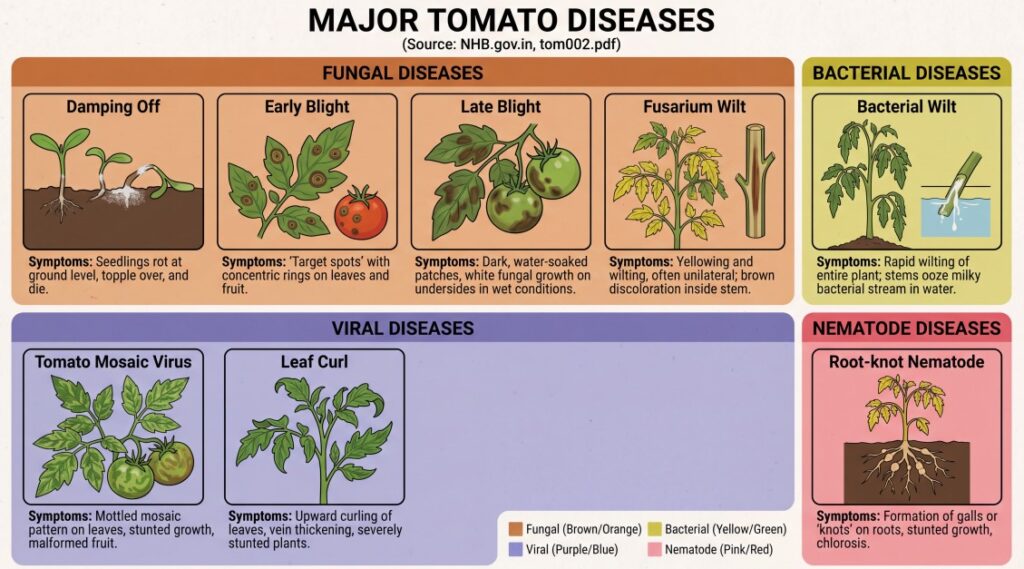
Fungal tomato diseases are among the most common and destructive tomato diseases globally, causing substantial losses and compromising fruit quality. Various pathogenic fungi cause these diseases. They thrive in conditions of high humidity, warm temperatures, and poor air circulation. Once the tomato is infected, Fungal spores can then easily spread through wind, rain splash, and contaminated tools. The following are the common tomato fungal diseases
1. Early Blight.
According to the article published by the University of Minnesota, Early blight is caused by two closely related pathogen species: Alternaria tomatophila and Alternaria solani, which can infect tomatoes and other crops such as potatoes.
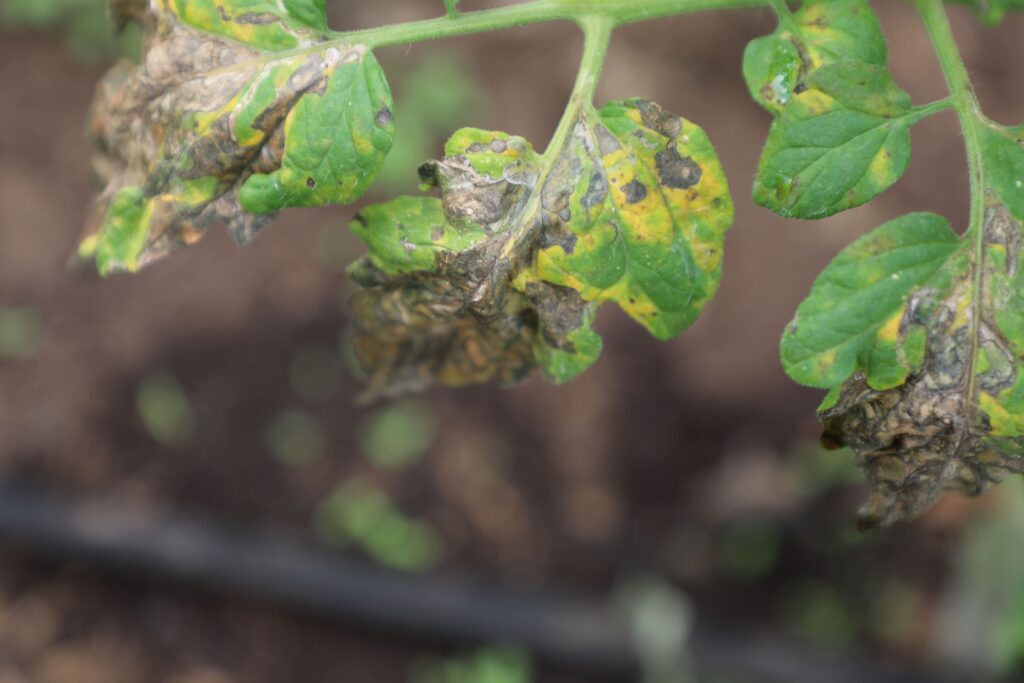
Early blight initial stages include small dark spots with rings (which appear like a bull’s eye) on older foliage. The Leaf spots are round, brown, and can reach about 1.2 cm in diameter. Severely infected leaves turn brown and eventually fall off.
Learn more about causes, symptoms, and organic treatments of early Blight here.
Related: Late blight of Potatoes
2. Late Blight (Phytophthora infestans)
West Virginia University describes late blight as the most destructive disease of tomatoes, which infects leaves, stems, and fruit. The disease appears as water-soaked lesions on the stem, leave or fruit.
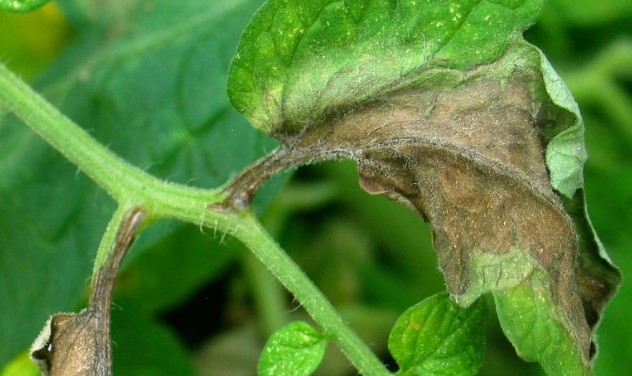
The leaves of tomatoes infected by this disease have large, dark brown blotches. The infected stems are firm and dark brown with a round edge. The crop will turn brown and wilt as if hit by frost. A thin powdery fungal growth may appear on the infected leaves, fruit, and stems.
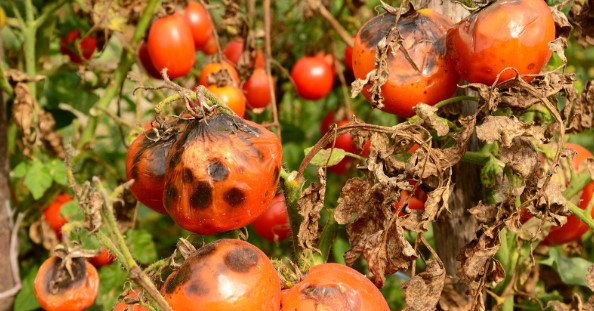
Learn more about the causes, symptoms, and Organic treatments of late blight of tomatoes here
3. Septoria Leaf Spot (Septoria lycopersici):
Septoria leaf spot is the most common type of Leaf spot caused by the fungus Septoria lycopersici. It forms Small, circular, or irregular spots with dark to grey margins on the leaves. The disease thrives in warm, humid conditions and spreads easily via rain splash and contaminated tools, leading to defoliation, reduced photosynthesis, and lower yields. Effective management depends on early detection and integrated organic practices.
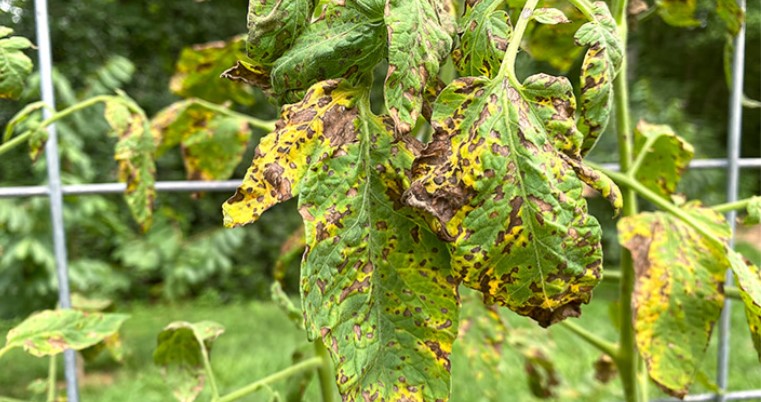
Learn about more causes, symptoms, and Organic Treatment of Septoria Leaf spot of tomatoes here
4. Anthracnose
Anthracnose is a destructive fungal disease that affects tomatoes in warm, wet, and humid areas. It is caused by several species of the fungus Colletotrichum, which include Colletotrichum coccodes, C. dematium, C. gloeosporioides, and sometimes C. truncatum or C. phomoides. Anthracnose causes the ripe fruit of tomatoes to rot, which leads to losses.
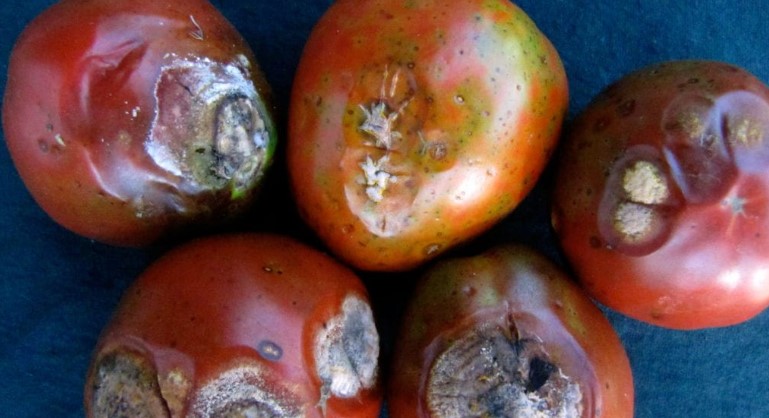
This pathogen can survive in the soil, debris, or on weeds for several years
Learn more about the causes, symptoms, and Organic Treatment of Anthracnose here
Bacterial Tomato Diseases (Diseases caused by bacteria)
Just as fungal infections can, bacterial diseases can also become so serious as to threaten the living tomato. The following are the most common tomato diseases caused by bacteria.
1. Bacterial Speck (Pseudomonas syringae):
Cornell University Agriculture Research Center describes bacterial speck as the most common bacterial disease of tomatoes. The bacterium Pseudomonas syringae causes it. Bacterial specks are identified by noticeable, small, dark, water-soaked spots on leaves, stems, and fruits. These spots areoften surrounded by yellow halos that reduce both the quality and yield of the produce.
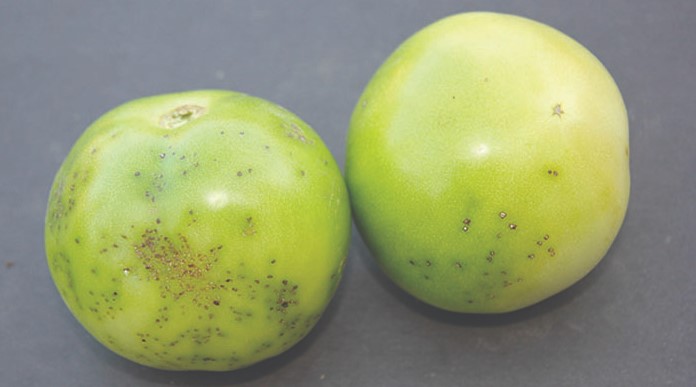
The disease spreads rapidly through rain splash, contaminated tools, and infected seeds. As a persistent challenge in agricultural systems worldwide, bacterial speck underscores the importance of proper crop management practices, including the use of resistant varieties, sanitation, and environmental control, to minimize its impact.
The fruits of the infected plant appear with tiny dark-brown spots, which are usually easy to remove when you scrape them off with your fingernail.
Read more on the causes, symptoms, and organic treatment of Tomato bacterial Speck here.
2. Bacterial Spot (Xanthomonas campestris):
A research paper published on the National Institute of Health website describes Bacterial spot as “a serious disease of tomato.” Unlike other bacterial diseases, Bacterial spot is caused by four species of bacteria: Xanthomonas:
- Xanthomonas euvesicatoria (race T1)
- Xanthomonas vesicatoria (race T2)
- Xanthomonas perforans (races T3 and T4) and
- Xanthomonas gardneri,
This disease will affect all parts of your tomato plants above the soil. This will include the stems, petioles, leaves, and fruits. You can easily identify this disease by looking for angular spots on tomato leaves and fruit.
Bacterial spot causes larger, rough, raised lesions that may look scabby or cracked, especially on fruits.
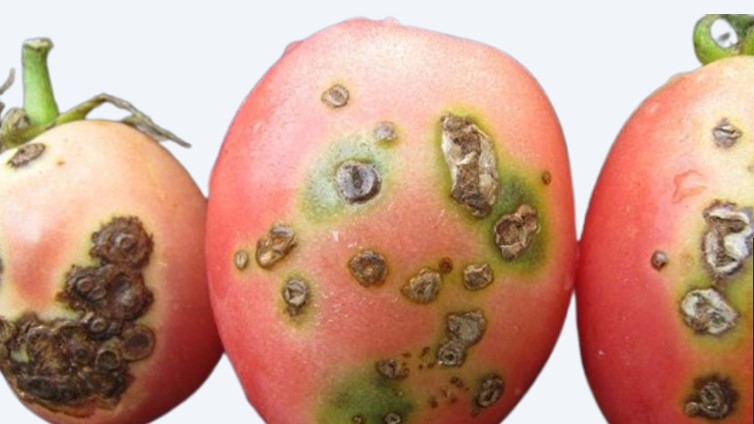
Learn more about the causes, symptoms, and organic treatments of Tomato bacterial spot here.
Viral Tomato Diseases
Viral tomato diseases are a group of plant illnesses caused by various viruses that infect tomato crops, leading to significant reductions in yield and fruit quality. They include Tomato mosaic virus and Tomato yellow leaf curl virus.
1. Tomato Mosaic Virus
Tomato mosaic virus (ToMV), a member of the genus Tobamovirus, is a highly infectious plant virus that affects tomatoes and other solanaceous crops worldwide.
This virus causes mottled yellow and green patterns on the leaves, along with stunted growth and deformed fruit.
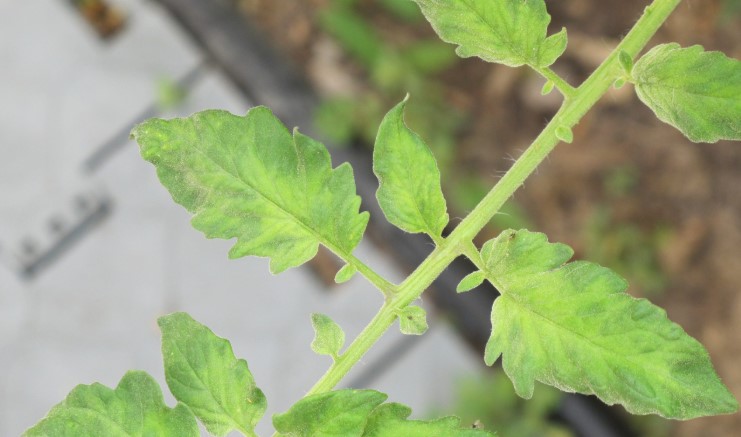
Learn more about the causes, symptoms, and organic symptoms of Tomato Mosaic Virus here.
2. Tomato Yellow Leaf Curl Virus (TYLCV):
This is among the most dangerous tomato viral diseases. It causes the leaves to curl upwards and then turn yellow. It is transmitted by whiteflies.
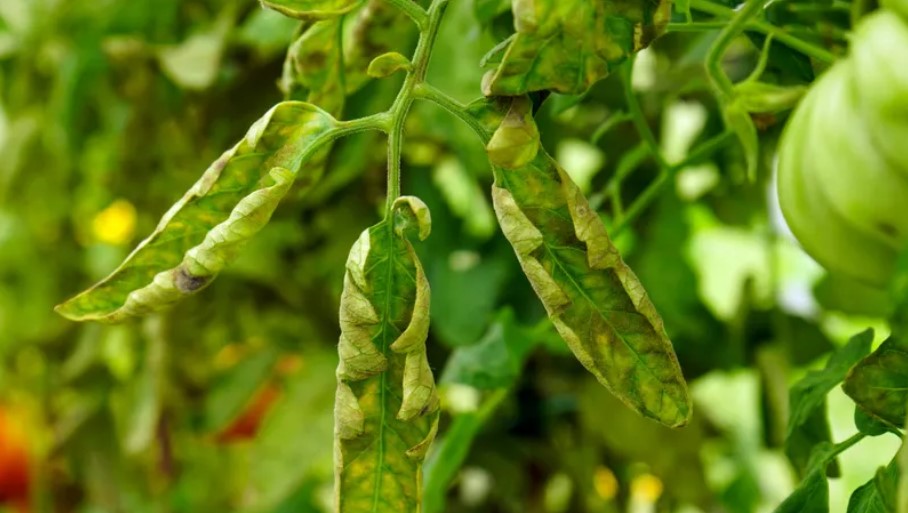
Conclusion
In conclusion, nothing that causes significant challenges to any gardener like tomato diseases does. These diseases can lead to deteriorating crop health and even plant loss. Learning how to detect the disease early and preventive measures is more adorable than learning how to treat the disease. Choosing disease-resistant varieties, practicing crop rotation, and the careful use of organic pesticides and fungicides can help prevent and control the spread of these diseases.
3 thoughts on “A Complete Guide for All Tomato Diseases”