Tuta Absoluta: 8 Organic Ways to Stop the Tomato Leafminer Before It Destroys Your Crop
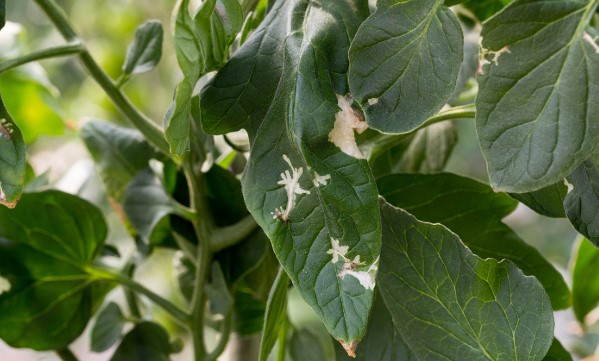
Why every tomato grower should know this pest  You walk into your tomato field one morning and the leaves look like thin paper with brown blotches. A week later, the green fruit has tiny holes, and inside you find small caterpillars. That is Tuta absoluta, the tomato leafminer. Most farmers here simply call it “Tuta”.  Left unmanaged, this pest can destroy 80 to 100 percent of a tomato crop. In Nigeria it hit so hard that tomato prices jumped by over 350 percent in just six months of 2015, because so many fields were lost. This trend of price hikes was experienced across many African countries like Tanzania. The good news is that you do not need to drench your farm in strong chemicals. In this guide I share eight organic methods that work best when used together, plus a simple weekly plan you can follow from nursery to harvest.  What is Tuta absoluta?  Tuta absoluta is a small greybrown moth, about 1 cm long. It was first discovered in Peru in 1917. It spread to Europe in 2006 and then across Africa. In Tanzania it was first found in August 2014 in Arusha, where it damaged 90 to 100 percent of plants in the tomato fields surveyed.  The moth itself does little harm. The damage comes from its caterpillars (larvae), which tunnel inside leaves, stems and fruit. Its favourite food is tomato,  but it also attacks potato, eggplant  tobacco and wild nightshade  plants Life cycle: why it multiplies so fast  Eggs: The female lays tiny cream eggs, mostly on the underside of young leaves. One female can lay around  180 eggs.  Larvae: Eggs hatch in a few days. The caterpillars enter the leaf at once and feed inside, protected from most sprays. They grow through four stages.  Pupae: Larvae drop to the soil or stay in the leaf to pupate.  Adults: New moths emerge, mate and start laying eggs within days.  Warmth speeds everything up. At 32°C one full cycle takes about 19 days; at 10°C it takes over 160 days.  In our warm lowland and mid-altitude areas, Tuta can produce 10 or more generations  a year. That is why a  small problem in the nursery becomes a disaster by flowering time.  How to recognise Tuta damage (Symptoms) Catching Tuta early is the single biggest factor in saving your crop. Walk your field at least twice a week and look for these signs:  8 organic ways to stop Tuta absoluta  No single method controls Tuta on its own. The farmers who win combine several of these from the very start.  1. Start with a protected, clean nursery  Most Tuta problems begin in the nursery or come in with bought seedlings. Raise your own seedlings under fine insect netting so moths cannot lay eggs on them. Before transplanting, check every seedling against the light and throw out any with mines. Never buy seedlings from a nursery next to an infested tomato field.  2. Set pheromone traps to catch the moths  … Read more
How to Stop Blossom End Rot Naturally in 7 Proven Steps

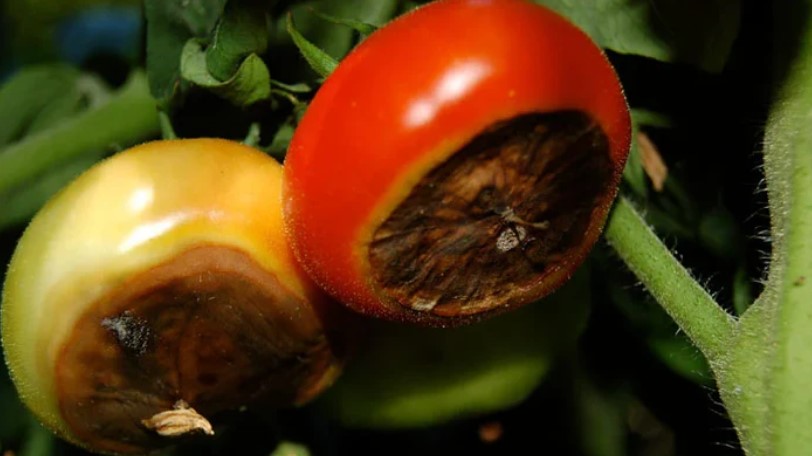
Blossom End Rot is a physiological disorder that affects some vegetables, such as tomatoes and peppers, causing the bottom of the fruit to develop a dark, sunken, leathery patch. It is one of the most heartbreaking and discouraging sights for any organic gardener While Blossom end rot in your tomatoes can be discouraging, the good … Read more

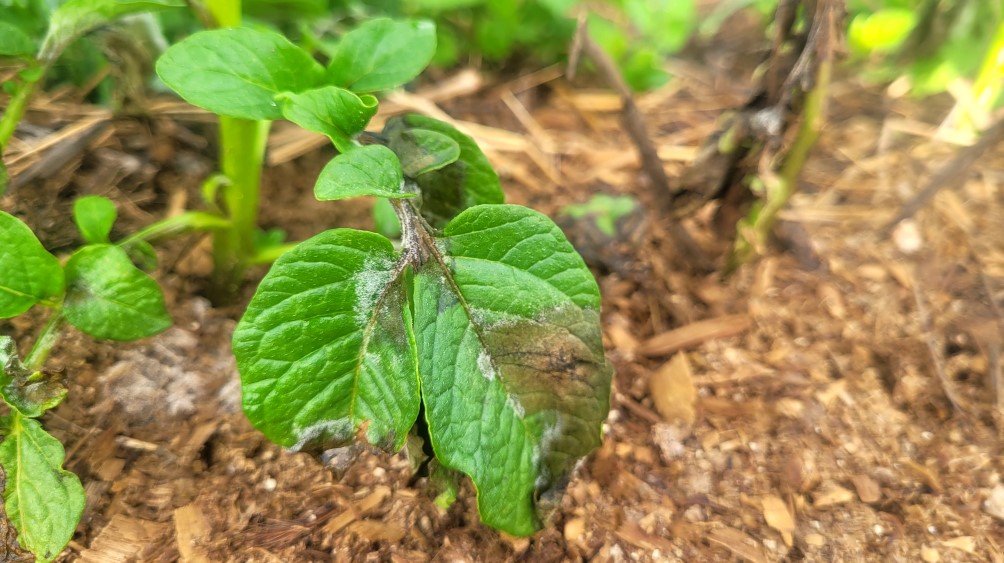
Late Blight of Potatoes.

Not many plant diseases have left a profound mark on human history as the late blight of potatoes. A deadly plant disease that is caused by the destructive oomycete Phytophthora infestans. This pathogen thrives in cool, moist conditions. The disease is famously known to have been responsible for the Irish Potato Famine of the 1840s, … Read more

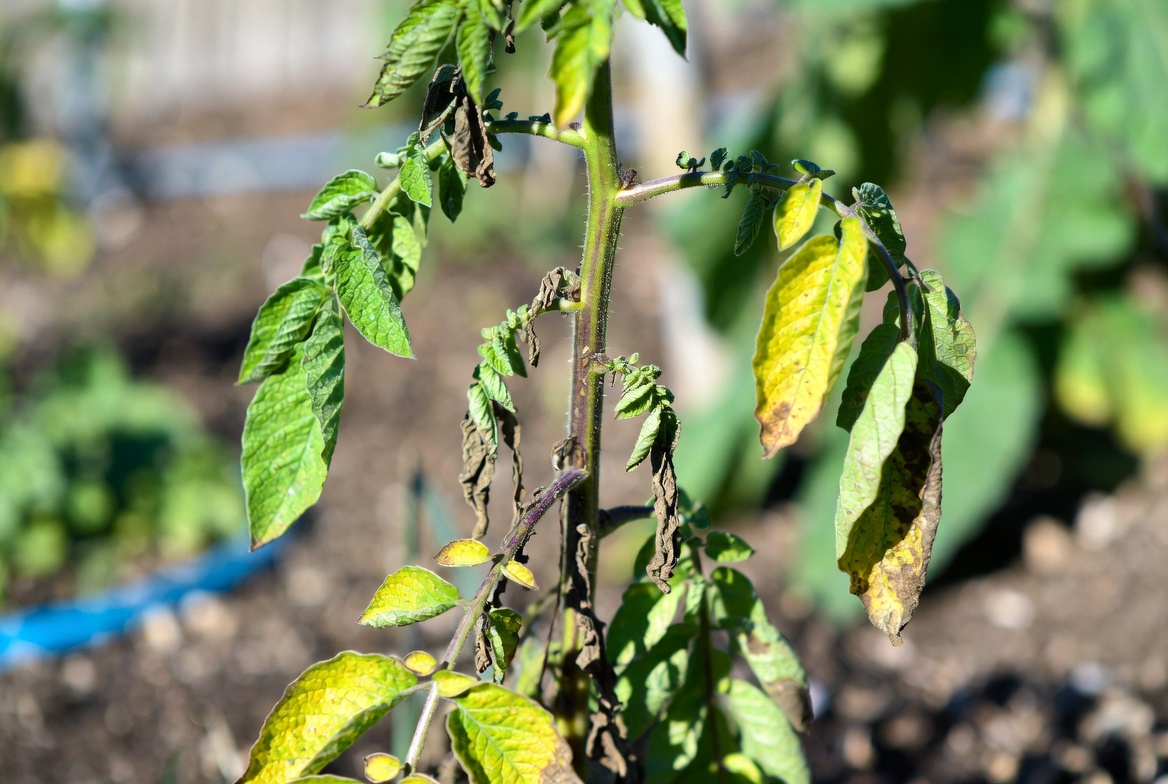
Fusarium Wilt: The Disease that changed the world forever

Fusarium wilt is a soil-borne disease that damages the vascular systems of plants by obstructing water flow within their tissues.. This disease thrives during hot or dry weather when the moisture is especially very low. Fusarium wilt attacks potatoes, tomatoes, eggplant, and pepper plants. This fungus interferes with the plant’s water-conducting vessels after entering through the roots. The foliage wilts and turns yellow as … Read more

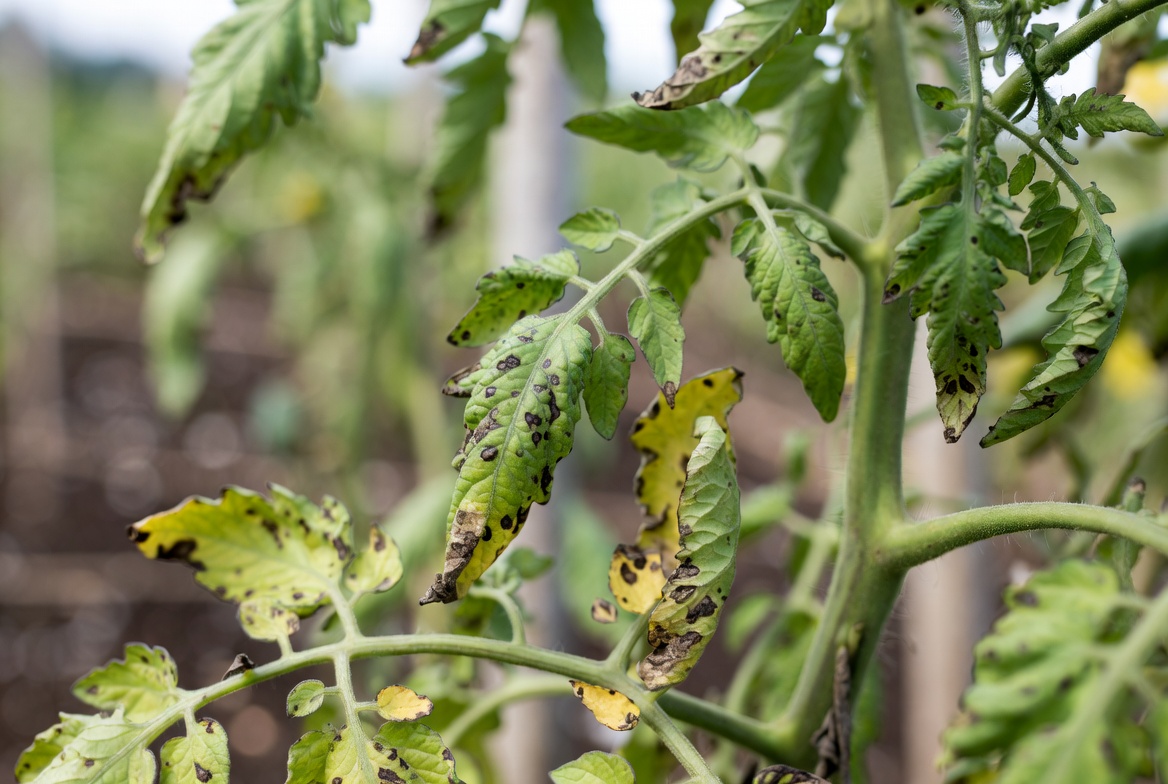
Early Blight of Tomatoes: A Detailed Guide

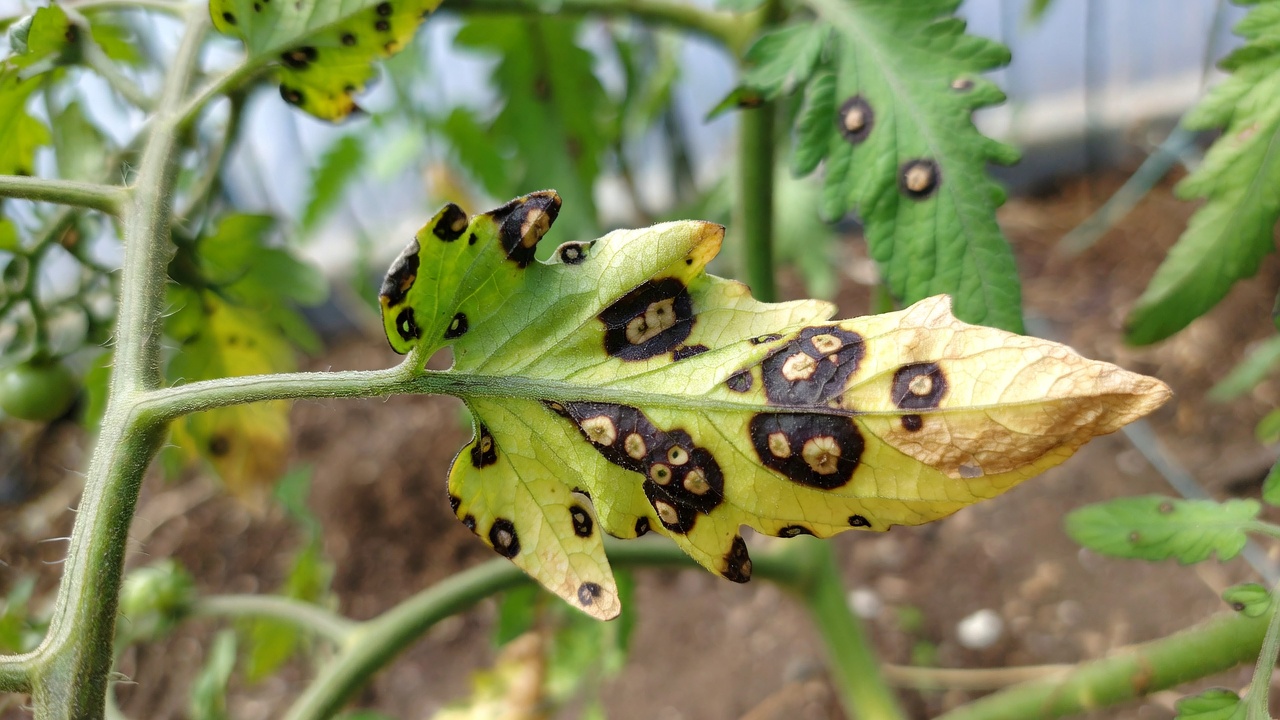
Picture this: you stroll out to your garden on a perfect July morning, expecting to bask in the glory of your towering tomato plants—only to freeze in horror as dark, concentric bull’s-eye spots glare back at you from the lower leaves of your tomatoes, yellowing and crisping their way upward like an invading army. Early … Read more

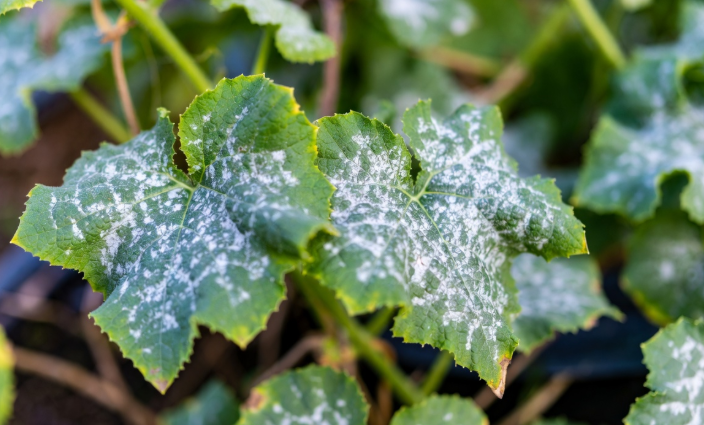
17 Symptoms of Powdery Mildew in Tomatoes

Powdery mildew is a common fungal disease which affects a wide range of plants. The disease commonly appears as a white- powdery coating on leaves, stems, flowers and sometimes fruits The disease may appear differently in one plant species to another. The following are the 17 symptoms of powdery mildew in tomatoes. I will begin with … Read more

Understanding Tomato Mosaic Virus: Symptoms, Causes, and Management

Tomato Mosaic Virus (ToMV) is a viral disease that affects tomatoes and other members of the Solanaceae family. This disease affects tomato crops worldwide, causing a wide range of symptoms, from mild discoloration to severe yield loss. In this article, I will discuss what are the causes, symptoms, and the organic management of this disease. … Read more

A Complete Guide for All Tomato Diseases

Almost every cook loves tomatoes, and most gardeners consider them their favorite crop to grow. Yet, tomato farming comes with one major challenge: tomatoes are highly susceptible to a wide range of diseases that can quickly damage plant growth, reduce yields, and lower fruit quality. For beginner gardeners, this often leads to frustration and heartbreaking … Read more

Rusts: Symptoms and Treatment

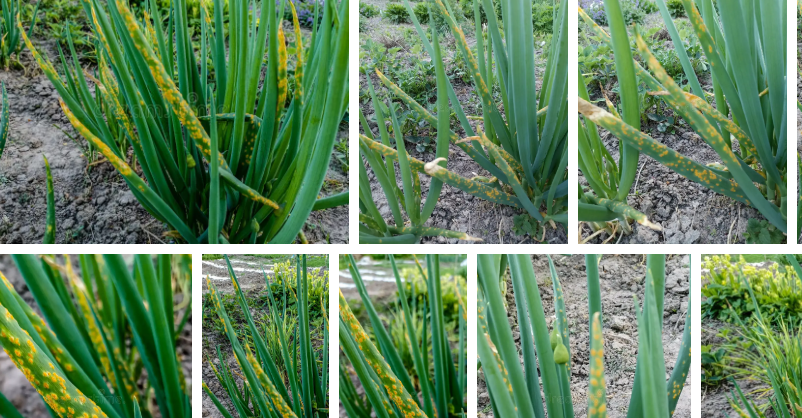
There are nearly 5,000 different species of rust on plants. Rust is a fungal disease that affects almost any vegetable in the garden. Rust diseases thrive in warm, moist temperatures rather than cold temperatures. Look for white, slightly raised spots on the undersides of leaves and stems. These spots become covered with reddish-orange spore masses, … Read more