Tuta Absoluta: 8 Organic Ways to Stop the Tomato Leafminer Before It Destroys Your Crop

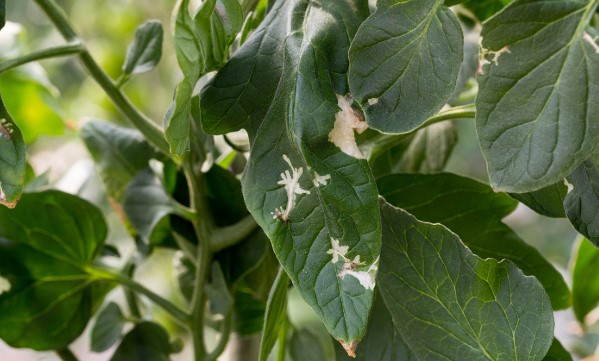
Why every tomato grower should know this pest  You walk into your tomato field one morning and the leaves look like thin paper with brown blotches. A week later, the green fruit has tiny holes, and inside you find small caterpillars. That is Tuta absoluta, the tomato leafminer. Most farmers here simply call it “Tuta”.  Left unmanaged, this pest can destroy 80 to 100 percent of a tomato crop. In Nigeria it hit so hard that tomato prices jumped by over 350 percent in just six months of 2015, because so many fields were lost. This trend of price hikes was experienced across many African countries like Tanzania. The good news is that you do not need to drench your farm in strong chemicals. In this guide I share eight organic methods that work best when used together, plus a simple weekly plan you can follow from nursery to harvest.  What is Tuta absoluta?  Tuta absoluta is a small greybrown moth, about 1 cm long. It was first discovered in Peru in 1917. It spread to Europe in 2006 and then across Africa. In Tanzania it was first found in August 2014 in Arusha, where it damaged 90 to 100 percent of plants in the tomato fields surveyed.  The moth itself does little harm. The damage comes from its caterpillars (larvae), which tunnel inside leaves, stems and fruit. Its favourite food is tomato,  but it also attacks potato, eggplant  tobacco and wild nightshade  plants Life cycle: why it multiplies so fast  Eggs: The female lays tiny cream eggs, mostly on the underside of young leaves. One female can lay around  180 eggs.  Larvae: Eggs hatch in a few days. The caterpillars enter the leaf at once and feed inside, protected from most sprays. They grow through four stages.  Pupae: Larvae drop to the soil or stay in the leaf to pupate.  Adults: New moths emerge, mate and start laying eggs within days.  Warmth speeds everything up. At 32°C one full cycle takes about 19 days; at 10°C it takes over 160 days.  In our warm lowland and mid-altitude areas, Tuta can produce 10 or more generations  a year. That is why a  small problem in the nursery becomes a disaster by flowering time.  How to recognise Tuta damage (Symptoms) Catching Tuta early is the single biggest factor in saving your crop. Walk your field at least twice a week and look for these signs:  8 organic ways to stop Tuta absoluta  No single method controls Tuta on its own. The farmers who win combine several of these from the very start.  1. Start with a protected, clean nursery  Most Tuta problems begin in the nursery or come in with bought seedlings. Raise your own seedlings under fine insect netting so moths cannot lay eggs on them. Before transplanting, check every seedling against the light and throw out any with mines. Never buy seedlings from a nursery next to an infested tomato field.  2. Set pheromone traps to catch the moths  … Read more

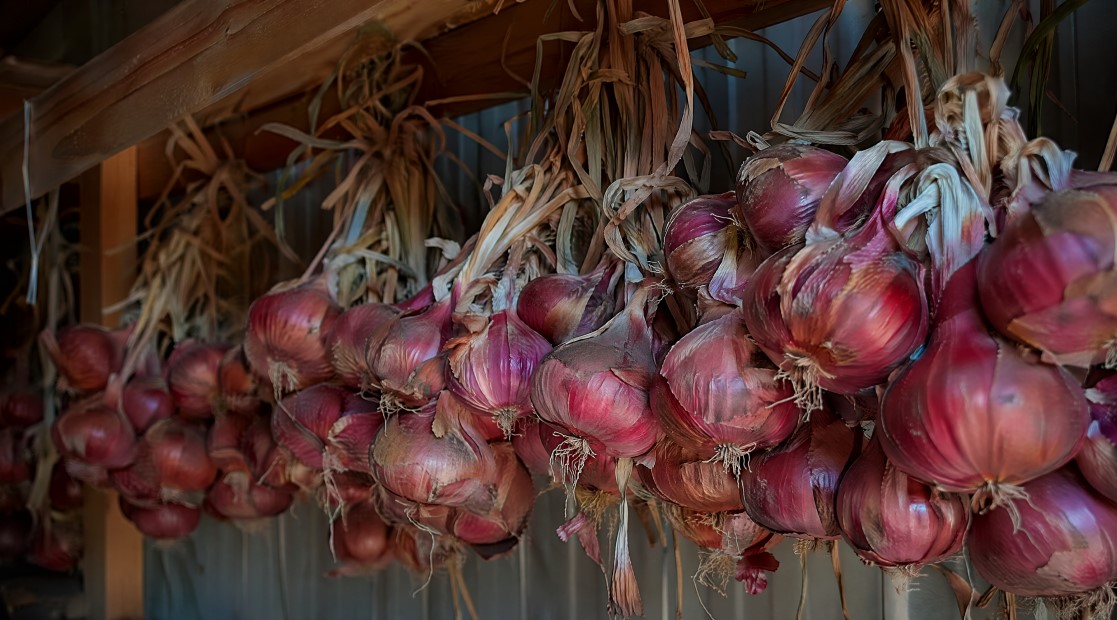
Common Mistakes in Organic Onion Farming and How to Avoid Them

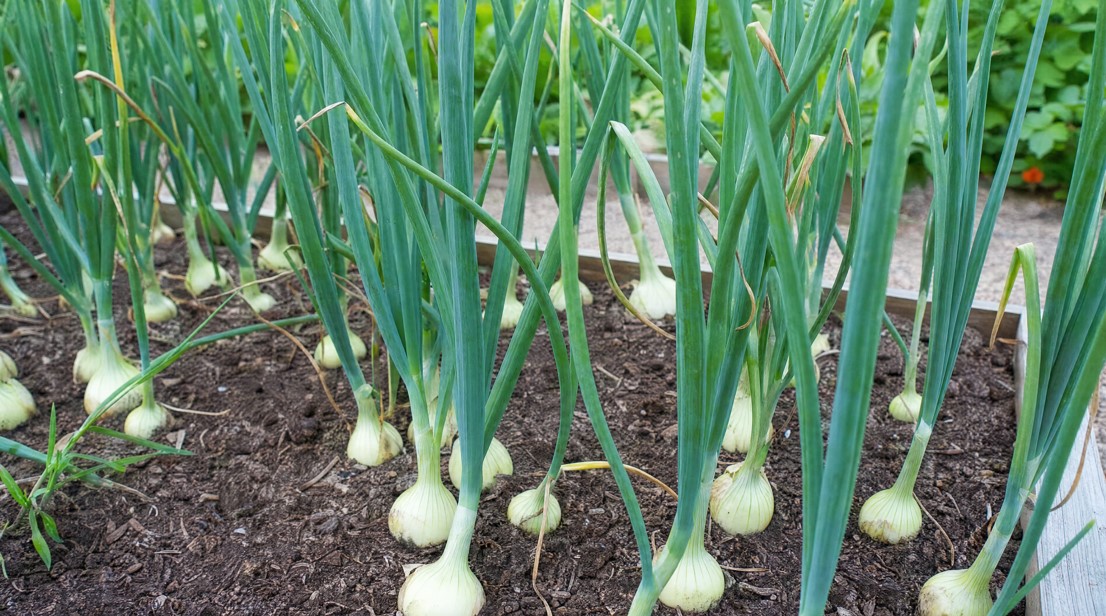
Organic onion farming offers satisfactory yields and flavorful bulbs when done right, but many growers encounter frustrating setbacks. Onion farming mistakes often stem from misunderstanding the crop’s specific needs for soil, light, water, and nutrients. In this guide, I will explore the most frequent pitfalls, with a special focus on why my onions are not … Read more

6 Organic Ways to Prevent and Destroy Whiteflies on Tomato Plants

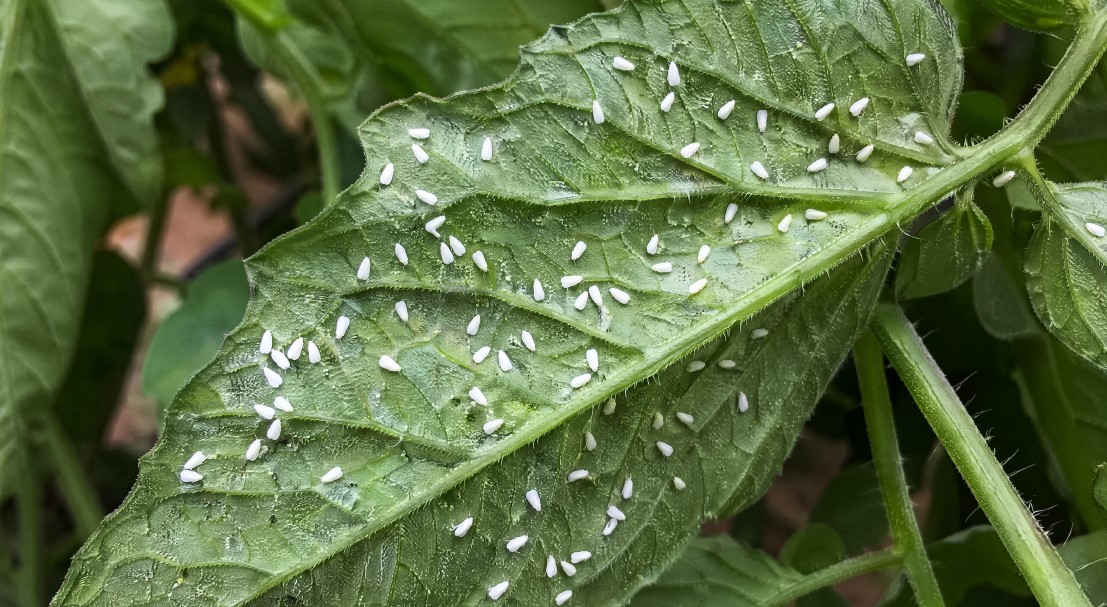
Whiteflies on tomatoes are among the most common and dangerous pest problems in organic gardens. They quietly drain plant sap and spread sticky honeydew. Sometimes they carry damaging viral tomato diseases such as Tomato Yellow Leaf Curl Virus. In this guide, we’ll walk through 7 proven, natural methods to prevent and destroy whitefly infestations. The … Read more

Curing and Storing Organic Onions for Long-Term Freshness

Have you ever pulled a beautiful crop of onions out of the garden only to watch half of them turn soft and moldy in the pantry a few weeks later? If so, you failed one thing-to cure it properly. Knowing how to cure onions after harvest properly is the single biggest factor that determines the … Read more

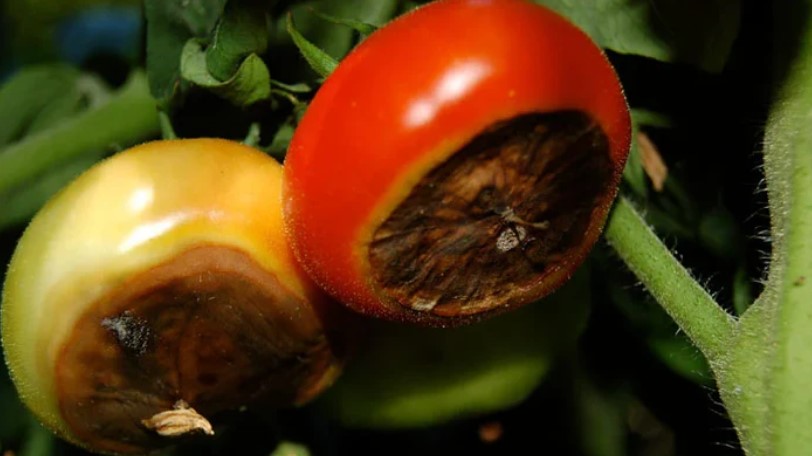
How to Stop Blossom End Rot Naturally in 7 Proven Steps

Blossom End Rot is a physiological disorder that affects some vegetables, such as tomatoes and peppers, causing the bottom of the fruit to develop a dark, sunken, leathery patch. It is one of the most heartbreaking and discouraging sights for any organic gardener While Blossom end rot in your tomatoes can be discouraging, the good … Read more

8 Best Organic Soil Amendments to Double Your Vegetable Yield This Season

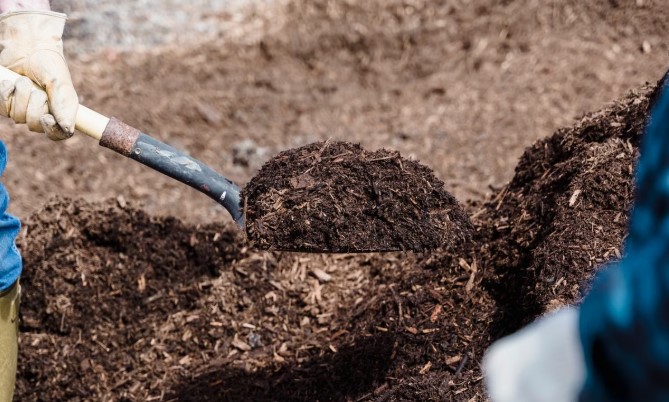
Every organic gardener knows that the secret to an abundant harvest isn’t found in the seed catalog but six inches underground. Healthy soil is the foundation of everything we grow. Do you then wonder why many gardeners chase high yields by adding more water or more plants while neglecting the most powerful lever they have? … Read more

10 Vegetables That Reverse Inflammation Naturally

When you cut your leg or catch a cold, inflammation rushes in to protect and heal you. This short-term inflammation is a good and necessary thing— your immune system is responding perfectly to the emergency. But when inflammation turns chronic, it becomes something else entirely. It starts silently and slowly, and it’s deeply destructive. Quietly, … Read more

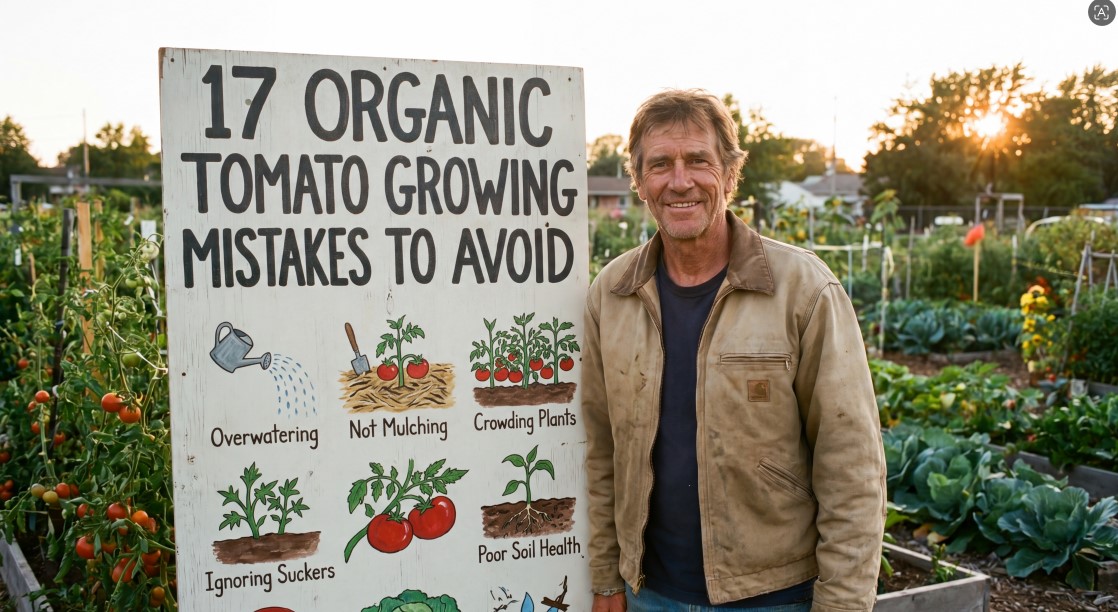
17 Organic Tomato Growing Mistakes That Ruin Your Harvest

To grow tomatoes without chemicals is one of the most satisfying experiences for any new gardener. Fresh and juicy tomatoes straight from the garden often taste better than what you find in the local stores. However, as a beginner, you’re prone to making many mistakes unknowingly. These errors have the potential of reducing your garden … Read more