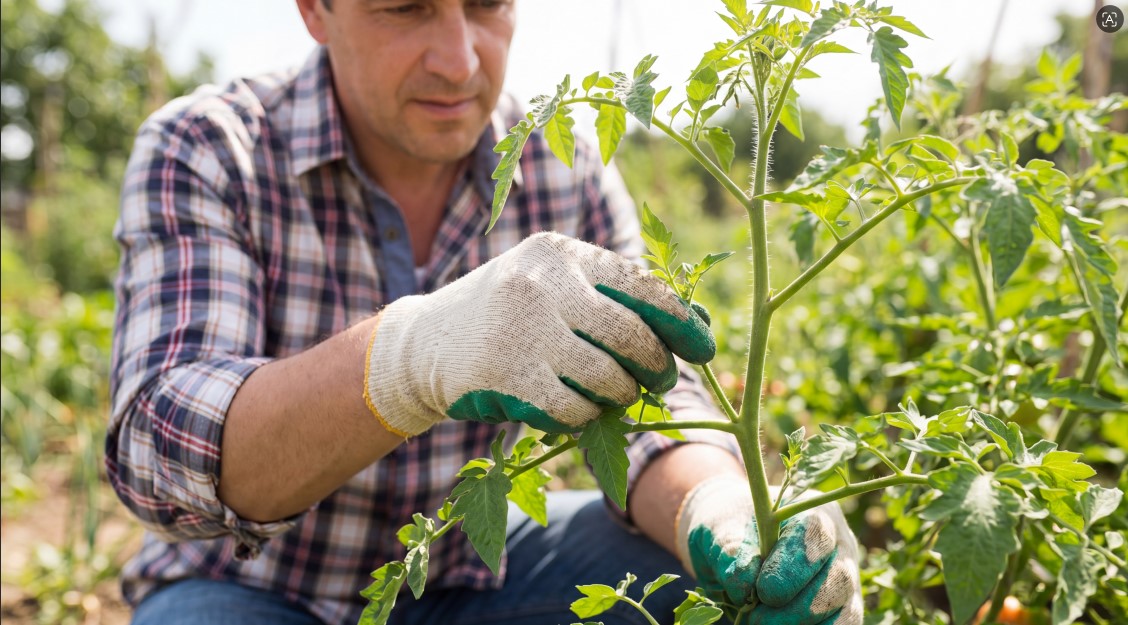
Proper tomato pruning helps plants direct their energy toward fruit production, resulting in healthier vines and fruits and heavier harvests throughout the season. Early pruning encourages the plant to focus less on excessive foliage and more on producing strong clusters of quality fruit. In addition to improving yield, pruning increases airflow and sunlight penetration, creating better growing conditions inside the plant canopy.
Before you start pruning, make sure you’re also not making any of these 17 common organic tomato growing mistakes that quietly ruin harvests.”
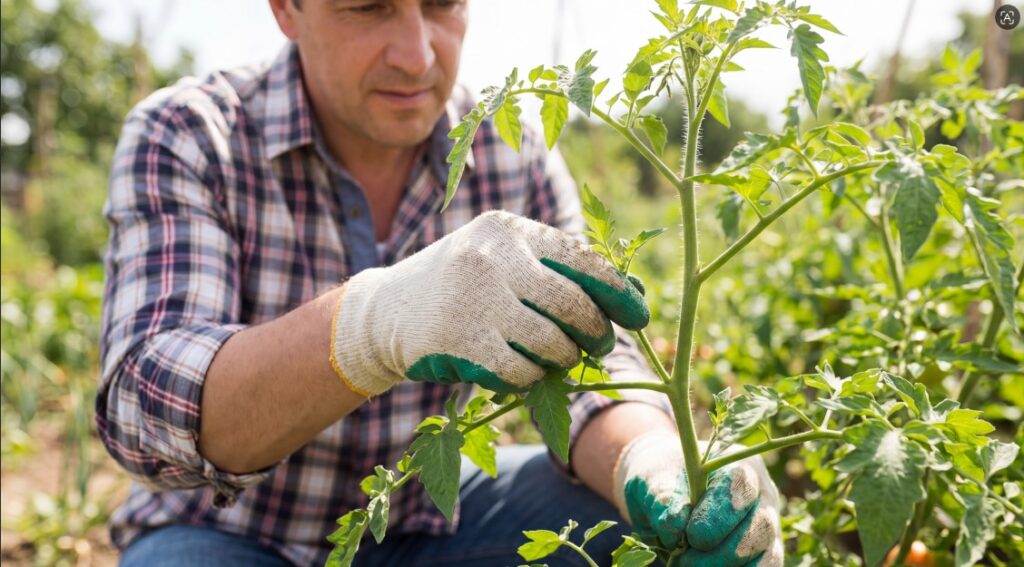
Before we look at how to prune your tomatoes, lets look at the benefits of Pruning tomatoes.
Benefits of Pruning Tomatoes
1. Sturdier Stems and Longer Harvest
Regular pruning results in sturdier stems, cleaner growth, and a longer harvest. This practice is helpful in humid climates or small gardens, where overcrowded foliage can trap moisture and cause problems. Thinning growth keeps tomato plants manageable and productive.
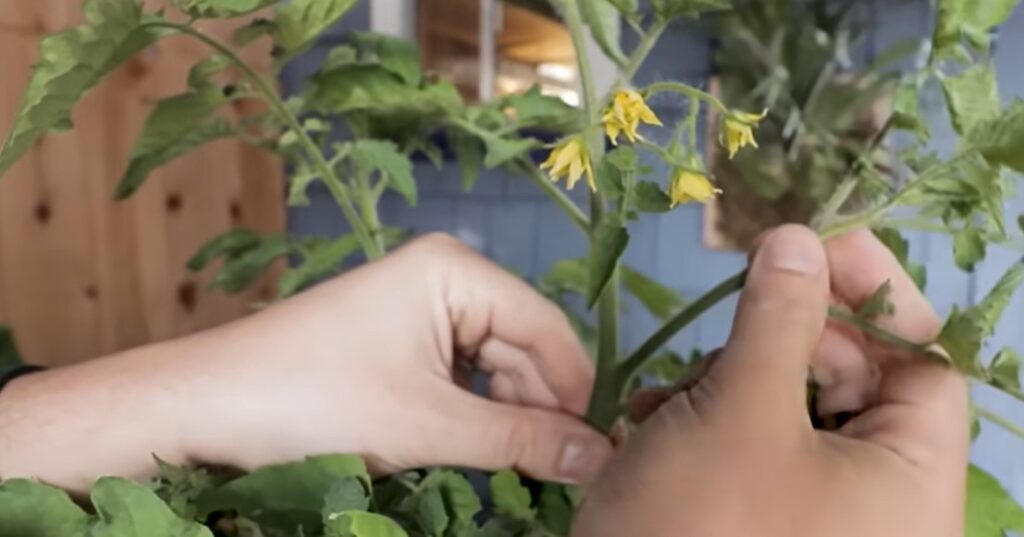
Begin by identifying suckers, the small shoots that emerge between the main stem and side branches. Young suckers can usually be pinched off by hand, while larger ones should be removed with clean, sharp pruners. Indeterminate tomatoes benefit the most from regular pruning, whereas determinate varieties require a lighter approach. Consistent maintenance helps improve plant vigor and supports steady fruit development.
2. Pruning Tomatoes helps reduce the fungal and bacterial diseases
Careful pruning can also reduce the likelihood of common fungal and bacterial issues. Better airflow allows leaves to dry faster after watering or rain, limiting the damp conditions in which many diseases, like early blight or powdery mildew, thrive. Removing lower leaves and crowded growth further reduces the chance of infection spreading throughout the plant. When combined with proper spacing and watering practices, pruning becomes an effective part of overall garden hygiene.
3. Pruning helps with proper distribution of nutrients
Pruning also helps the plant distribute nutrients more efficiently to developing fruit clusters. Plants with a healthy balance of foliage and fruit production often produce better flavor, stronger growth, and more reliable harvests. For best results, prune tomatoes while the plants are dry. Avoid heavy trimming during extreme heat or peak flowering periods, as this can slow development. Weekly inspections allow you to monitor growth and make small adjustments throughout the season. With experience, it becomes easier to judge how much foliage to remove while maintaining a healthy balance between growth and production.
4. Pruning Boosts Yield and Overall Plant Vigor
Well-managed pruning often increases harvest quality by reducing competition within the plant. Instead of supporting excessive leafy growth, the plant directs more resources toward developing healthy fruit clusters. Tomatoes frequently grow larger, ripen more evenly, and develop richer flavor when sunlight reaches more of the plant.
How to Prune for Maximum Yield
Step-by-Step Pruning Guide
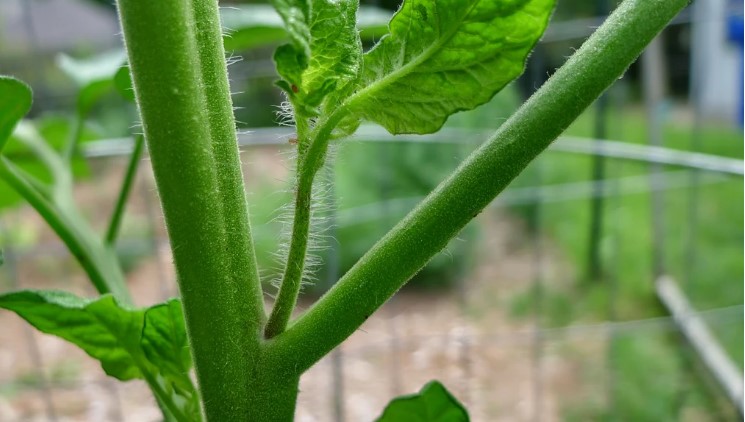
Step 1: Identify Suckers
Suckers are the small shoots that emerge in the “V” or axil between the main stem and a leaf branch. Left unchecked, they turn into full branches and compete for resources.
Step 2: Prune Suckers Early
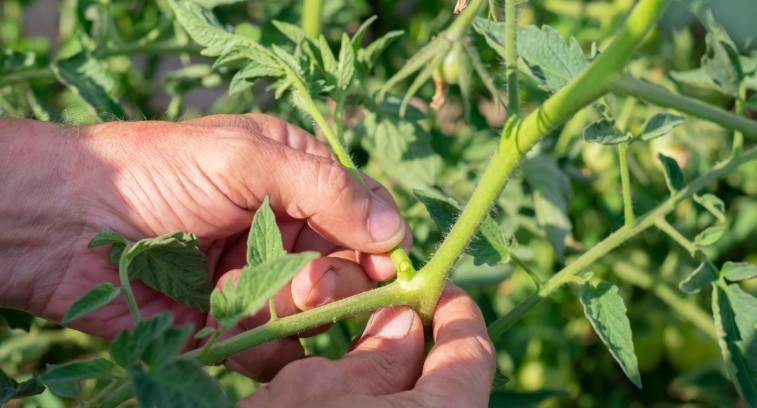
Remove most suckers from indeterminate tomatoes when they are 2–4 inches long. You can pinch them off with your fingers if they are small or use shears if they are larger ones. This keeps the plant to 1–3 main stems.
Step 3: Remove Lower Leaves
Remove the leaves touching the ground as soon as they appear old or bushy. This prevents soil-borne diseases from splashing onto foliage.
Step 4: Thin Interior Growth
Remove overcrowded or crossing branches inside the plant to improve light and air circulation. Aim for an open, vase-like structure.
For Determinate Tomatoes: Only remove suckers below the first flower cluster and any dead or diseased leaves. Heavy pruning can eliminate potential fruit clusters.
Common Pruning Mistakes to Avoid
- Pruning too late or too aggressively on young plants
- Leaving large stubs which can rot and cause disease
- Removing Too Many Leaves. Removing too many leaves or productive branches can hinder the plant from photosynthesizing and producing enough energy. Make sure to balance between foliage and the fruit.
- Using Dirty Tools. Make sure that your tools are clean every time you want to prune. This practice will help reduce the spread of the disease.
- Cutting Off Healthy Branches. When pruning, it’s always easy to remove healthy branches by mistake. Be careful to ensure that you remove diseased, damaged, or unproductive branches.
- Pruning wet plants which increases disease spread
- Over-pruning determinate varieties or cherry tomatoes
Conclusion
Over time, pruning becomes less of a chore and more of a valuable gardening habit that improves harvest quality, plant strength, and overall garden productivity. With consistent care and observation, tomato plants can remain healthy and productive for an extended growing season.
As you gain experience, you will learn how different tomato varieties respond to pruning and which techniques work best in your climate. A balanced approach helps produce stronger plants, cleaner foliage, and dependable harvests year after year. Mastering tomato pruning not only increases yield but also creates a healthier and more manageable garden overall.
1 thought on “How to Prune Tomatoes for Maximum Yield and Plant Health”