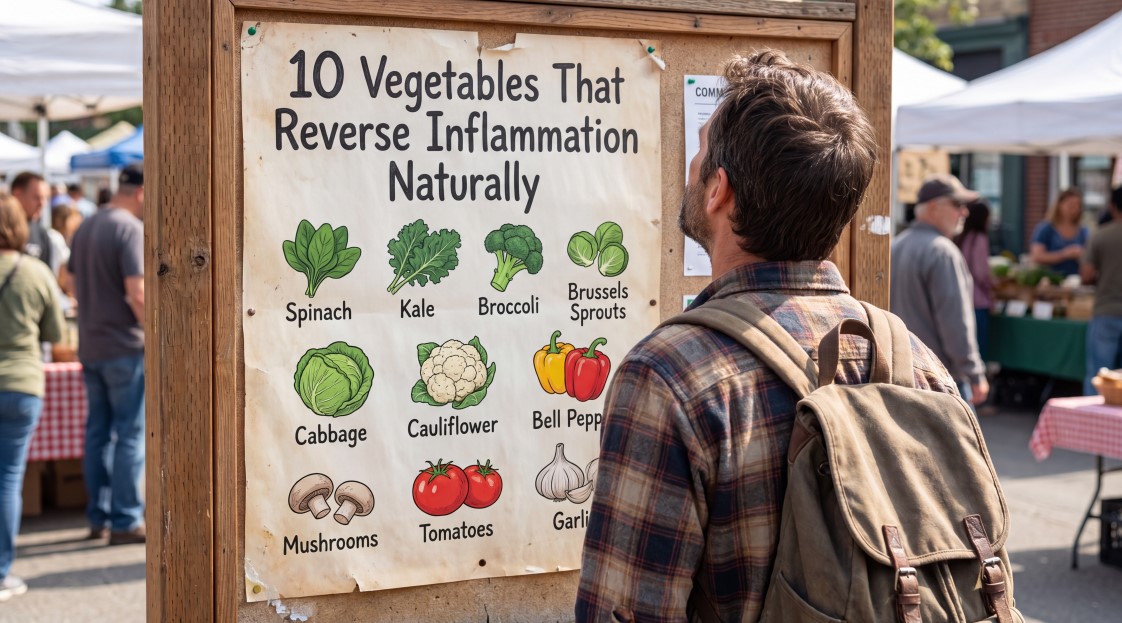
When you cut your leg or catch a cold, inflammation rushes in to protect and heal you. This short-term inflammation is a good and necessary thing— your immune system is responding perfectly to the emergency.
But when inflammation turns chronic, it becomes something else entirely. It starts silently and slowly, and it’s deeply destructive. Quietly, it burns in the background for weeks or months, damaging your tissues and organs before any symptoms appear. Medical researchers have directly linked chronic inflammation to some of the most serious diseases of our time, including heart disease, diabetes, arthritis, cancers, and Alzheimer’s disease
Do you know that what you eat every single day is either fuelling or extinguishing the fire within you? Processed and refined foods and polluted industrial seed oils are the richest sources of inflammatory gasoline. But fresh, Juicy, organic vegetables can actively cool your inflammation.
In this article, we walk you through the 10 most powerful anti-inflammatory vegetables you can grow and eat starting today. Each one of these is backed by science, and most of them are easier crops to grow in your garden.
What Causes Chronic Inflammation?
Before we look at vegetables, it is worth our time to understand what really causes Chronic inflammation. Chronic inflammation is primarily caused by:
- Oxidative stress —Oxidative stress causes chronic inflammation through a self-perpetuating, vicious cycle. When free radicals overwhelm the body’s antioxidant defenses, they directly damage body cells and tissues, which traps the immune system in a state of constant, low-grade activation
- Pro-inflammatory diet — A pro-inflammatory diet easily activates chronic inflammation by stimulating the immune system. High sugar, refined carbohydrates, and ultra-processed foods are among the foods that promote chronic inflammation
- Gut microbiome imbalance — When gut bacteria is disrupted, It triggers immune responses
- Toxin exposure
- Sedentary lifestyle and poor sleep
Here is good news: your diet can help you level your inflammation. According to a published article by Harvard Health Publishing, an anti-inflammatory diet consists of vegetables, fruits, whole grains, and healthy fats. If you grow those vegetables organically, their benefits are compounded significantly.
10 vegetables that can fight chronic inflammation
1. Spinach
Spinach is among the most nutrient-dense anti-inflammatory vegetables on the planet. It is rich in vitamin K, C, beta-carotene, and the flavonoid quercetin which have demonstrated powerful anti-inflammatory effects in clinical studies.
How to grow it: Spinach grows well in cool climates. You can also grow it in containers, raised beds, or directly in the ground. Spinach can be ready for the first harvest at 4 to 6 weeks after transplanting. Make sure to select a good location for your garden.
2. Broccoli
Broccoli contains sulforaphane that activates the body’s own antioxidant defence system at the same time suppressing the NF-κB inflammatory pathway
Sulforaphane, a sulfur-containing compound, has been found to prevent and slow certain cancers, reduce cardiovascular inflammation, and protect the brain against neurodegenerative conditions.
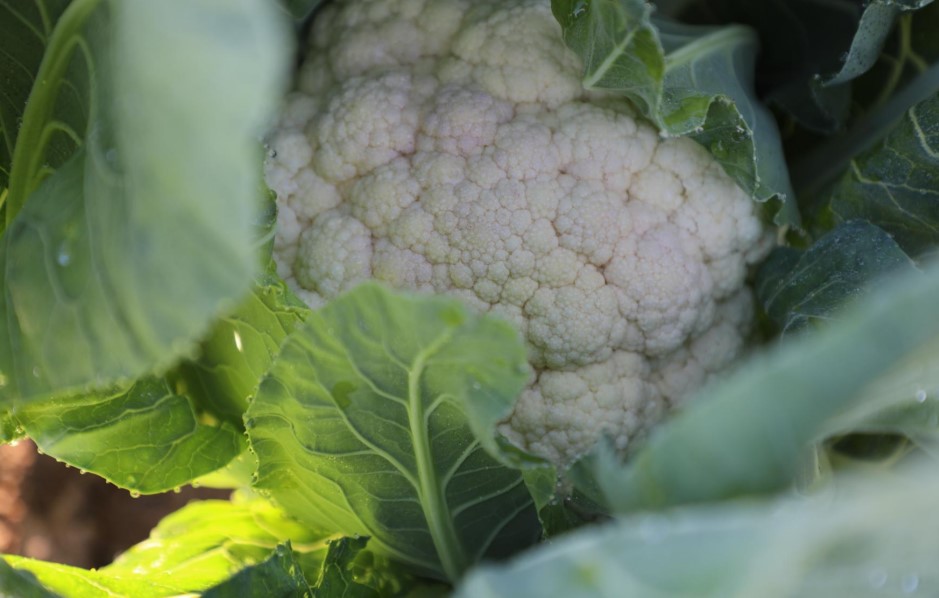
Just like Spinach, Broccoli is also rich in vitamins C and K. In addition, it contains folate and the antioxidant lutein — all contributing to its remarkable anti-inflammatory profile.
How to grow it: Broccoli thrives in cool to mild temperatures (15–20°C). It is a lover of full sun, rich organic soil, and consistent watering. Seeds are first raised in a nursery bed, then transplanted. For best results, read our full guide on preparation of nursery and seedling beds before you begin.
3. Garlic
Almost every culture in the world has used Garlic as food and medicine for inflammation and infection for several centuries. Allicin, a key compound in garlic that is produced when raw garlic is crushed or chopped, has been shown to inhibit the same NF-κB inflammatory pathway that broccoli’s sulforaphane targets. In addition, garlic has plenty of antioxidants that suppress the activity of pro-inflammatory cytokines like TNF-alpha and IL-6.
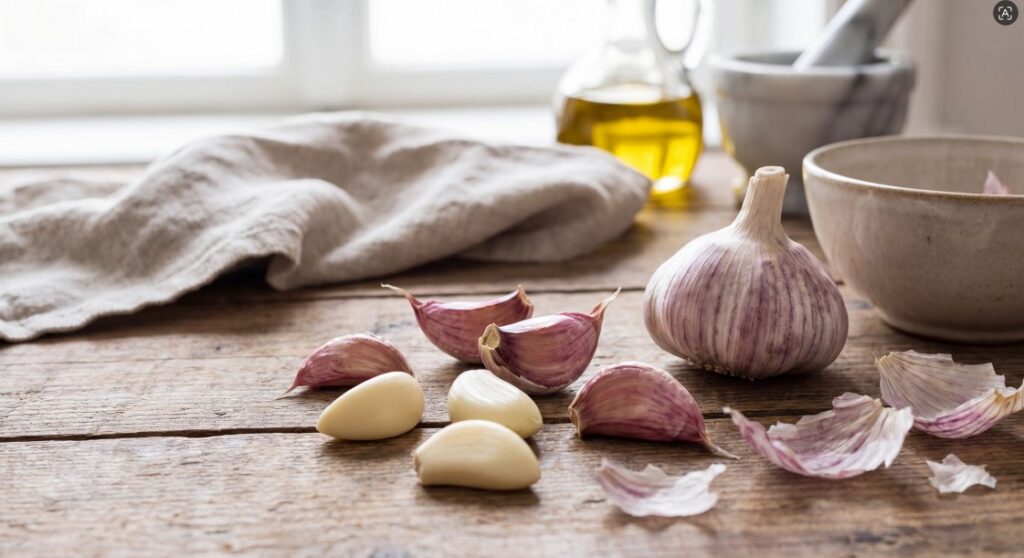
How to grow it: This spice is one of the easiest crops to grow. Plant individual cloves directly into well-draining, compost-rich soil. It requires minimal maintenance and is a natural pest repellent in your garden — very useful if you are implementing the 7 natural pest control remedies we recommend on this site.
4. Turmeric
Turmeric may be the most famous anti-inflammatory vegetable in the world of natural health. Its active compound, curcumin, works by directly blocking the COX-2 enzyme and NF-κB pathway — the same targets as many pharmaceutical anti-inflammatory drugs. Studies have shown curcumin to be effective in reducing symptoms of osteoarthritis, inflammatory bowel disease, and metabolic syndrome.
However, curcumin is not easily absorbed on its own. Pairing it with Cayenne or Garlic increases absorption significantly.
How to grow it: Turmeric does well in tropical and subtropical climates — making it an excellent crop for East African gardeners. Plant rhizomes in well-prepared soil with full sun exposure. Turmeric does not require heavy care practices.
5. Kale
More than Spinach and other leafy vegetables, Kale offers one of the broadest and most concentrated healing compounds, such as vitamins A, C, and K, the flavonoids quercetin and kaempferol, glucosinolates, and omega-3 fatty acids.
According to Healthline’s research review on anti-inflammatory foods, kale stands as one of the most effective dietary tools for reducing oxidative stress and long-term inflammatory disease risk.
Kaempferol, a compound in kale, has been shown to suppress the production of pro-inflammatory compounds and to protect cells against free radical damage
How to grow it: Kale is a very easy vegetable to grow. It thrives well in full sun to partial shade in enriched, well-draining soil. Once it’s ready to harvest the first time, you can continue harvesting it continuously for several months. Good soil is a must; check our guide on 6 signs your garden soil needs organic matter to make sure your growing conditions are right.
6. Beetroot
Betalains, a family of pigments in beetroot, have exceptional antioxidant and anti-inflammatory properties. They inhibit the activity of cyclo-oxygenase enzymes (COX-1 and COX-2), the very same enzymes targeted by anti-inflammatory drugs
Beets are also rich in nitrates, which are easily converted to nitric oxide in the body. Nitric oxide will then relax and dilate blood vessels, reducing inflammation in the arteries and lowering blood pressure
How to grow it: Beetroot grows well in loose, sandy-loam soil with good drainage. Direct-sow the seeds into well-prepared beds and thin to 10 cm apart. The seeds can be propagated and raised in a nursery bed before they are transplanted.
7. Sweet Potatoes
Beta-carotene, the orange pigment available in sweet potatoes, is a powerful antioxidant that neutralises free radicals and reduces the oxidative stress that drives chronic inflammation. Sweet potatoes also contain other anti-inflammatory compounds like chlorogenic acid and anthocyanins (especially in purple-fleshed varieties), which help in fighting chronic inflammation.
How to grow it: Sweet potatoes thrive in warm, tropical climates. They can grow in cool climates too, though the productivity goes down. They need loose and well-drained soil. Full sunlight and space to spread their vines. They are a good drought-tolerant crop once established. Ensure your soil has the right organic foundation before planting — our article on why organic farming is regenerative explains how healthy soil produces measurably more nutritious food.
8. Red Onions
Onions are among the richest dietary sources of quercetin, a bioflavonoid that can inhibit multiple inflammatory pathways simultaneously.
Quercetin can suppress histamine production, block NF-κB activation, inhibit the release of pro-inflammatory cytokines, and protect cells against oxidative damage.
If you grow your own organic onions and eat them regularly, you are giving your body a daily dose of one of the most effective natural anti-inflammatory compounds available. Our detailed article on organic onion farming techniques covers everything you need to grow a high-yield, healthy onion crop from start to harvest.
9. Pumpkin
Like sweet potatoes, pumpkin is rich in beta-carotene and vitamin C — two of the most important antioxidant nutrients for controlling inflammation. But what makes pumpkin especially impressive is its seeds. The seeds are one of the richest plant-based sources of zinc and magnesium, which play critical roles in regulating immune response and suppressing inflammatory signalling.
We have covered the remarkable healing compounds in pumpkin seeds in our dedicated article on the 8 health benefits of organic pumpkin seeds — it is essential reading if you want to understand how deeply this crop can serve your health.
How to grow it: Pumpkins are space-hungry plants that thrive in warm climates. They need full sun, rich composted soil, and regular watering at the base. Plant seeds directly in the ground.
10. Tomatoes
Tomatoes are one of the richest dietary sources of lycopene — a red carotenoid with some of the most potent antioxidant activity of any plant compound studied to date.
Lycopene has been shown in clinical research to reduce levels of IL-6, TNF-alpha, and CRP particularly in relation to cardiovascular disease and prostate health.
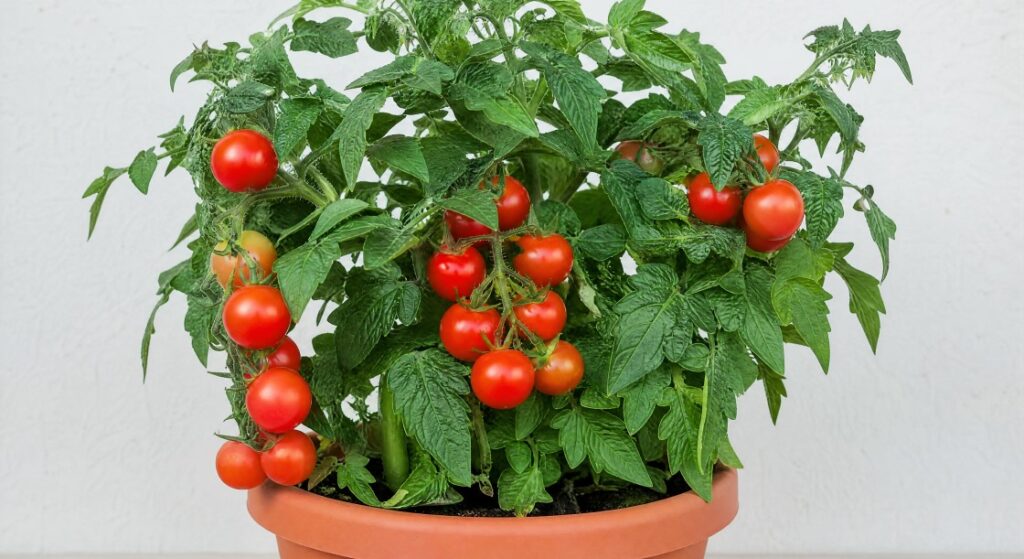
Tomatoes also contain naringenin — a flavanone found in the skin — that directly suppresses inflammation, and significant amounts of vitamin C and potassium that support overall cellular health.
Growing your own organic tomatoes means health. It means avoiding the pesticide residues commonly found on commercially grown ones, which themselves act as inflammatory triggers. If you are ready to start growing, our guide on the best organic tomato seeds for beginners will help you choose the right varieties, and our article on how to prune tomatoes for maximum yield will help you get the most from every plant.
Conclusion
Chronic inflammation does not develop overnight, and it does not reverse overnight either. But the daily decision of what to put on your plate is genuinely one of the most powerful health choices you can make.
The 10 anti-inflammatory vegetables in this article — spinach, broccoli, garlic, turmeric, kale, beetroot, sweet potatoes, red onions, pumpkin, and tomatoes — are not exotic superfoods available only at health food stores. They are humble, growable, affordable crops that belong in every organic garden and every kitchen.