Zinc is a trace element essential to several processes occurring in the body, including wound healing and cell replication. The cells that make up the immune system can hardly live without it. A zinc deficiency is now recognized as the most common nutritional deficiency because it is a common cause of deficiency.
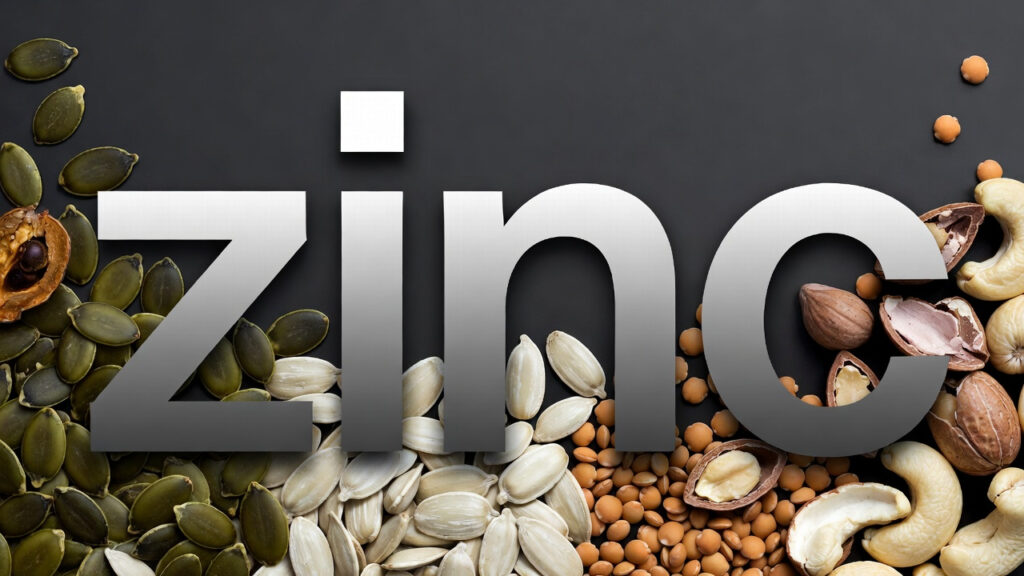
What is zinc?
Zinc is one of the most important trace minerals you need to get in your diet. Trace means, the body needs small amounts. It’s essential for good health because it metabolizes nutrients helps to grow and repair body tissues. The zinc also helps with cell division and significantly helps in maintaining and boosting your immune system.
But your body doesn’t stores zinc. So you need to maintain a daily intake and hopefully today’s article will help you do that.
How much zinc do you need?
Well, it really depends on your age and gender. So here’s a list to hopefully help you.
So fun fact, women need more iron because of their menstrual cycle, but do you know why teenage and adult men need more zinc? I’m just going to pause and brace myself for a slightly embarrassing conversation next.

Here’s a quick clue. No, it’s not because we’re more susceptible to colds. It’s because men secrete a lot of zinc in their semen. Observational Studies have also shown that low Zinc count can also lower your testosterone levels. It can also raise the chances of male infertility and lower your libido. So large, you might want to think about zinc a little bit more seriously.
Other people who are susceptible to zinc deficiency of the elderly and women who are pregnant or breastfeeding.
Now, shellfish, red meat, eggs, and dairy are said to have a higher bioavailability of zinc. It may be true. But it is also important to note that animal products will expose you to other health risks. For example, saturated fats, trans fats, and cholesterol in other Animal products can lead to heart disease, type 2 diabetes, and some cancers
Symptoms of Zinc deficiency
Zinc deficiency is an increasingly widespread problem worldwide.
The following are the common symptoms
- Weight loss
- Poor wound healing
- lack of alertness
- low sensitivity to smell
- loss of appetite, Taste and smell
- open sores on the skin
- Frequent head colds
- Balding too soon
- Heading for the bathroom more often called diarhea
- Slow growth in children
- Frequent brain fog
- Drops in blood sugar
What are the Causes of Zinc Deficiency
The cause of Zinc deficiency is obvious, inadequate zinc intake.
However, there are 3 main causes of zinc deficiency. They include;
- Inadequate zinc in your diet
- losing excess zinc from the body
- chronic conditions
If you have any of the following chronic conditions, you are more likely to have a zinc deficiency.
- Cancer
- celiac disease
- chronic diarrhea
- kidney disease
- chronic liver disease
- Crohn’s disease
- diabetes
- pancreatic disease
- sickle cell disease
- ulcerative colitis
Related: Health benefits of Organic pumpkin seeds
How to cure zinc deficiency naturally
Now to our main point, what is the natural solution to healing from zinc deficiency?
The very best way is to add zinc to your diet. I mean natural zinc from organic vegetables, cereals and fruits.
You may ask, what are the best sources of zinc in plants?.
What I want to do now is to give you a list of over 20 natural sources of zinc. Go and get them now!
1. Pumpkin seeds.
Hopefully, you’ve heard about them. Pumpkin seeds contain about 10.07 milligrams per cup. Pumpkin and squash seeds are one of the best plant sources of zinc. They also have a high amount of potassium and a good amount of iron, calcium, and protein.
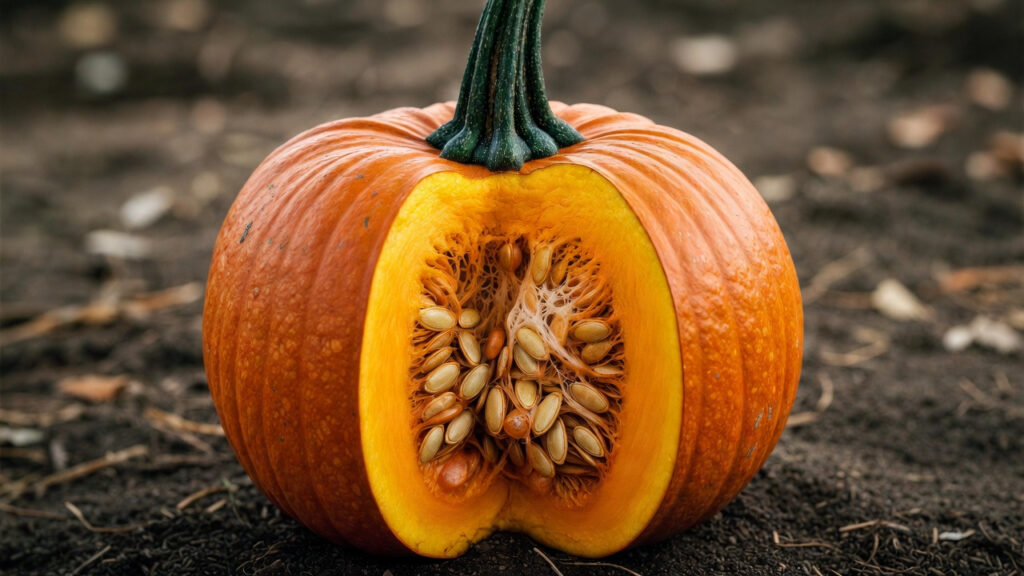
Now, I prefer them dried and roasted. But you can as well boil the seeds and eat them. whether you want them sweet or savory, just know that when you cook them, you are reducing some of the nutrients. So, just eat more.
2. Oats
With just one cup, you can get 6.19 milligrams of zinc. They’re also packed full of potassium. They also have an amazing amount of dietary fiber, protein, iron, Vitamin B6, magnesium, and calcium.
Now Oats are a fantastic healthy carbohydrate to start your day. It’s just them up a bit. You can always add fruit, cinnamon or maple syrup.
3. Sesame seeds
Half a cup contains about 5.58 milligrams of zinc. Native to Tropical areas in Asia, Africa, and South America, these tiny little seeds are rich in protein, vitamins, minerals, and antioxidants.
Eating regularly can boost your immune system and your overall health. Magnesium and calcium can help lessen anxiety. It can also reduce blood pressure. Help with digestion, increase your skin Health prevents aging and can relieve arthritis pain.
4. Pine nuts.
Since these are nuts, you only need half a cup. Pine nuts come in at 4.35 milligrams of zinc; they are a great source of protein, iron, magnesium, and a great antioxidant. They also have lots of vitamin A.
This makes them extremely good at boosting your immune system. It gives you high energy. They can build bone strength and improve iron absorption and heart health.
5. Adzuki beans
A cup of these comes in at 9.93 milligrams of zinc in its raw form. These, being on my diet, get it with an incredible amount of vitamins and minerals. So many health benefits. I highly encourage you to get these in your diet.
6. Buckwheat
Buckwheat comes into almost 4 milligrams of zinc per cup. Buckwheat is actually gluten-free and it’s related to the rhubarb plant. It’s an extremely versatile grain and could be lightly steamed and replaced Instead of rice. It’s packed full of protein and dietary fiber and is extremely good for good health.
7. Cashew nuts
A half a cup comes in at around 3.84 Milligrams of zinc. Cashews also contain loads of protein, copper, Magnesium, manganese, fiber, and great healthy fats. Not only are they great, a boost to your immunity They can also promote brain and bone health.
8. Brazil nuts
At half a cup, they come in at 2.7 milligrams of zinc. Now, while they’re very healthy, I wouldn’t suggest going through a whole bag in one sitting.
Brazil nuts contain something called selenium, which is very toxic to the body If over consumed. So I wouldn’t recommend eating more than one a day, but eating one a week has been shown to significantly lower cholesterol and improve heart health. They’re also said to be a great antidepressant.
9. Lentils
Lentils come in at the same rate as chickpeas at 2.51 milligrams of zinc per cup.
Now It doesn’t matter what color of lentils you decide to eat. Just make sure you give them a good soak. They’re incredibly rich in fiber and potassium. They’re also full of iron and B vitamins.
So adding them to many meals, not only brightens them up with the color, but can also help with heart health and boost your immune system.
10. Chickpeas
A cup of chickpeas contains around 2.51 milligrams of zinc. They’re also packed full of Manganese, folic acid, copper, phosphorus, iron, manganese, zinc, potassium, calcium, various B vitamins, and they’re great for protein.
Chickpeas can also help with bone health and fight against fatigue. They can detoxify sulfates, reduce your cholesterol and boost your immune system and overall health,
11. Soybeans
Just one cup of these extremely popular beans can produce around 2.53 milligrams of zinc. Despite the incredible amount of controversial information about these beans they are actually really healthy. Not only are they a great source of protein. They can also
- lower cholesterol
- improve, your heart health,
- lower blood pressure
- improve fertility
- reduces menopause symptoms.
- They can help improve bone health and
- reduce the risk of breast cancer And other cancers
Just try to get organic and avoid GMOs as much as you can.
12. Hazelnuts
They contain around 3.31 milligrams of zinc per cup. They’re packed full of many vitamins, and minerals, they’re a great antioxidant.
They are a
- Really good source of healthy fats
- they can regulate blood pressure
- reduce inflammation.
- They can help with insulin sensitivity
- lower cholesterol, and high fiber intake
Hazelnuts are also a great source of vitamin E. Get these in your diet wherever you can.
13. Almonds
A cup of almonds can produce around. 4.53 milligrams of zinc. Almonds also contain a good amount of protein, vitamin E, manganese, and magnesium. There are fantastic Antioxidants that can help protect against oxidative stress, inflammation, aging, and other diseases, such as cancer.
14. Mung beans (Green grams)
Now, one cup can produce 5.55 milligrams of zinc. While native to India, They’re found all across Asia but are not very popular in the US. They are also cultivated well in africa.
Actually more people in the UK are catching on to the benefits of these beans. Now, these are one of the best plant-based sources of protein. They’ve got a tremendous amounts of folates, which is vital before and during pregnancy.
They also contain manganese, magnesium, B2. B3, B5, B6 phosphorus, iron, copper, a potassium. You can also eat them as sprouted beans.
15. CowPeas.
With one whole cup of cowpeas You can get 1.7 milligrams of zinc or absolutely jam-packed full of nutrients, including protein, iron, phosphorus and magnesium, the packed full of antioxidants that can
- Improve your skin Health
- hair health and
- nail Health.
There’s also good evidence to show that they are great at
- Reducing Pressure
- Blood sugar levels
- Cholesterol and
- Improving gut health.
16. Fava beans.
These beans are packed full of nutrients. They have a slightly sweet, but earthy flavor and are eaten all over the world studies are now showing they may help with
- Parkinson’s disease.
- They can help prevent birth defects
- beneficial to bone health.
- They can improve the symptoms of anemia and
- Contain an incredible amount of immune-boosting nutrients.
17. Swiss chard.
They’re an amazing boost of color to many dishes and with just 10 leaves, you can consume around 1.73 milligrams of zinc. Swiss chard also contains amazing levels of vitamin A, Vitamin K, Vitamin C and magnesium.
Swiss Chard is also another powerful antioxidant and can fight
- Free radicals, which may lead to certain diseases
- are also incredible at maintaining organ Health, such as your heart, lungs and kidneys.
Try and add Swiss chard to as many dishes as you can because the benefits are just amazing.
18. Garden Peas
Just for one cup of peas, You can consume around 1.8 milligrams of zinc. You can eat them raw or cooked and even freeze them for Long periods.
Hopefully, everyone’s eating peas, but maybe just an extra portion just to boost your immune system. They’re also
- a great source of vitamin C vitamin
- A Perfect antioxidant,
- they can help lower the risk of chronic conditions, inflammation, diabetes, heart disease, and help with arthritis.
19. Spinach.
It’s an extremely nutritious like dense Leafy green. By just eating a handful you can consume around 1.8 milligrams of zinc.
Spinach contains folic acid, protein, magnesium, manganese, iron, loads of dietary fiber and calcium, but it does also contain oxalates.
You just don’t want to eat oxalate rich foods daily because it inhibits calcium absorption. but eating a good amount of spinach can
- improve your digestion.
- It promotes healthy skin,
- boost your immune function.
- Can help fight acne
20. Walnuts
Just half a cup can give you around 1.81 milligrams of zinc. They contain a good amount of calcium, chromium, iron, magnesium, potassium, phosphorus and are extremely rich in omega-3’s.
Not only can they boost your immune system.
They’re also
- a great mood enhancer.
- They can help reduce stress.
- Aid in sleep.
- They are fantastic Anti-inflammatory and antioxidant.
- They can improve fertility.
- Help your brain function and
- could reduce the risk of Cancer.
So a handful of walnuts everyday can do to body good
21. Navy beans.
Just one cup could produce 7.59 milligrams of zinc. They’re a great source of protein, iron and dietary fiber Eating these regularly can
- boost your immune system,
- your energy levels and
- your memory
22. Kidney Beans
A cup of kidney beans can also produce around 5.12 milligrams of zinc. They also contain protein, vitamin K, potassium, phosphorus, and have a great amount of chlorine.
23. Black beans
Just a cup of these will produce 7.08 milligrams of zinc, and it contains All the same vitamins and minerals, and health benefits listed on the other beans
24. Amaranth
Eating a cup can bring it around 2.12 milligrams of zinc. Now you can eat the entire plant from flowers to stems. The most amount of nutrients is in the seeds. These contain a huge amount of vitamins and minerals including vitamin K, calcium magnesium, and lots of B vitamins as well as helping boost your immune system.
Conclusion
Those foods should be chosen that best supply the elements needed for building up the body. In this choice, appetite is not a safe guide. Through wrong habits of eating, the appetite has become perverted. Often it demands food that impairs health and causes weakness instead of strength. We cannot safely be guided by the customs of society. The disease and suffering that everywhere prevail are largely due to popular errors in regard to diet.