
Why every tomato grower should know this pest
You walk into your tomato field one morning and the leaves look like thin paper with brown blotches. A week later, the green fruit has tiny holes, and inside you find small caterpillars. That is Tuta absoluta, the tomato leafminer. Most farmers here simply call it “Tuta”.
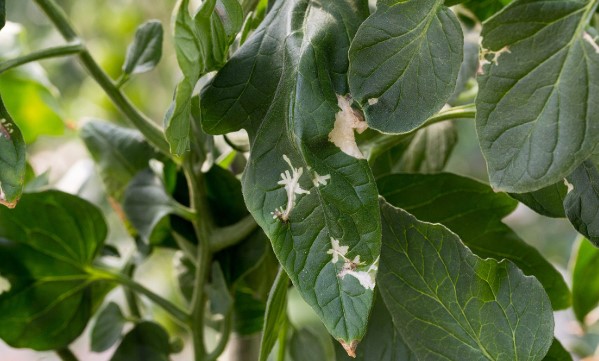
Left unmanaged, this pest can destroy 80 to 100 percent of a tomato crop. In Nigeria it hit so hard that tomato prices jumped by over 350 percent in just six months of 2015, because so many fields were lost. This trend of price hikes was experienced across many African countries like Tanzania.
The good news is that you do not need to drench your farm in strong chemicals. In this guide I share eight organic methods that work best when used together, plus a simple weekly plan you can follow from nursery to harvest.
What is Tuta absoluta?
Tuta absoluta is a small greybrown moth, about 1 cm long. It was first discovered in Peru in 1917. It spread to Europe in 2006 and then across Africa. In Tanzania it was first found in August 2014 in Arusha, where it damaged 90 to 100 percent of plants in the tomato fields surveyed.
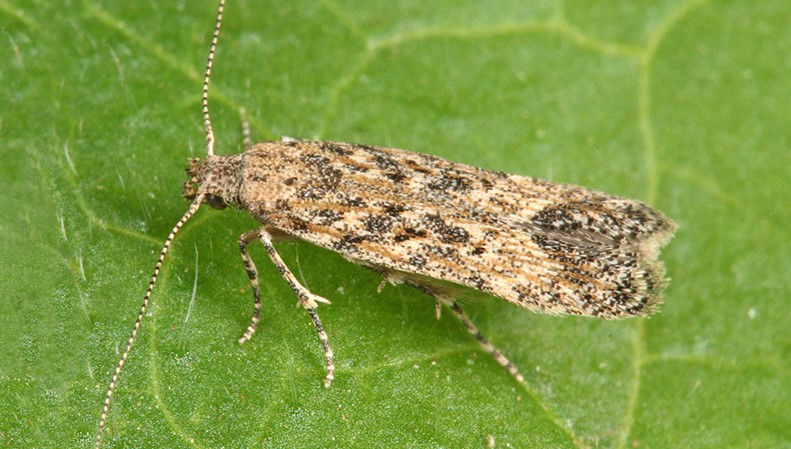
The moth itself does little harm. The damage comes from its caterpillars (larvae), which tunnel inside leaves, stems and fruit. Its favourite food is tomato, but it also attacks potato, eggplant tobacco and wild nightshade plants
Life cycle: why it multiplies so fast
Eggs: The female lays tiny cream eggs, mostly on the underside of young leaves. One female can lay around 180 eggs.
Larvae: Eggs hatch in a few days. The caterpillars enter the leaf at once and feed inside, protected from most sprays. They grow through four stages.
Pupae: Larvae drop to the soil or stay in the leaf to pupate.
Adults: New moths emerge, mate and start laying eggs within days.
Warmth speeds everything up. At 32°C one full cycle takes about 19 days; at 10°C it takes over 160 days. In our warm lowland and mid-altitude areas, Tuta can produce 10 or more generations a year. That is why a small problem in the nursery becomes a disaster by flowering time.
How to recognise Tuta damage (Symptoms)
Catching Tuta early is the single biggest factor in saving your crop. Walk your field at least twice a week and look for these signs:
- Pale blotches (mines) on leaves. The caterpillar eats the green inside of the leaf and leaves the thin top and bottom skins. Hold the leaf against the light and you will see a clear window with dark droppings inside, and often the caterpillar itself.
- Leaves that dry and turn brown. Many mines join together and the leaf looks burnt. From a distance, the field looks scorched.
- Holes in green or ripe fruit, usually near the stem (calyx). The fruit often rots afterwards because bacteria and fungi enter through the hole.
- Bent or damaged growing tips and stems, where larvae have tunnelled.
- Small greybrown moths flying up when you brush the plants in the early morning or evening. Do not confuse it with: early blight, which makes brown spots with rings like a target and no caterpillar inside; or ordinary leafminer flies, which make thin, winding snake like tunnels instead of broad blotches. For more tomato problems, see my Complete Guide for All Tomato Diseases.
8 organic ways to stop Tuta absoluta
No single method controls Tuta on its own. The farmers who win combine several of these from the very start.
1. Start with a protected, clean nursery
Most Tuta problems begin in the nursery or come in with bought seedlings. Raise your own seedlings under fine insect netting so moths cannot lay eggs on them. Before transplanting, check every seedling against the light and throw out any with mines. Never buy seedlings from a nursery next to an infested tomato field.
2. Set pheromone traps to catch the moths
A pheromone lure smells like a female moth and attracts the males. When males are trapped, fewer females are mated and fewer eggs are laid.
For early warning: put 2 to 4 traps per hectare as soon as you transplant. If you catch moths, start your control plan immediately.
For control (mass trapping): use many more traps. In one field study, 40 traps per hectare reduced infested leaves and fruit compared with fields that were only sprayed with insecticide.
How to make a simple water trap: take a wide basin or a cut 5 litre jerrycan, fill it with water and a spoon of soap (so moths sink), and hang the pheromone lure 1 to 2 cm above the water. Place it at plant height. Top up the water and remove dead moths every few days, and change the lure as the label directs, usually every 4 to 6 weeks.
3. Pick and destroy infested leaves and fruit
Every mined leaf holds a growing caterpillar. Pick infested leaves and fruit every few days, put them in a plastic bag, tie it, and leave it in the sun for a week, or bury it at least 50 cm deep. Never throw them at the edge of the field or on an open compost heap, because the larvae will finish growing and fly back.
4. Spray Bt (Bacillus thuringiensis) on young caterpillars
Bt is a natural soil bacterium that makes caterpillars stop feeding and die. It does not harm people, livestock, bees or ladybirds, and it is allowed in organic farming. Use the kurstaki type sold for caterpillars.
Spray in the late afternoon, because sunlight breaks Bt down.
Cover both sides of the leaves, especially young growth.
Repeat every 5 to 7 days while moths are being caught.
Bt works best on young larvae before they go deep into fruit, so timing matters more than strength.
5. Use neem as a natural repellent and growth stopper
Neem stops larvae from feeding and growing, and makes moths less likely to lay eggs. You can use a commercial neem oil with azadirachtin, or make your own:
Crush 50 g of dry neem seed kernels for each litre of water.
Soak overnight, then strain through a cloth.
Add a few drops of liquid soap so it sticks to leaves.
Spray in the evening, every 5 to 7 days. Test on a few plants first and check for leaf burn after two days.
See also my guide on how to make an organic pesticide at home.
6. Rotate with spinosad when pressure is high
Spinosad comes from a natural soil bacterium and is approved for organic farming in many countries. It is strong against Tuta larvae. Use it only when traps show heavy moth numbers, and rotate it with Bt and neem, because Tuta quickly becomes resistant to any product used again and again. Spinosad can harm bees while wet, so spray late in the evening when bees have stopped flying.
7. Protect the natural enemies that eat Tuta
Small predatory bugs such as Nesidiocoris tenuis eat Tuta eggs and young larvae, and tiny Trichogramma wasps lay their eggs inside Tuta eggs. Strong chemical sprays kill these helpers first, which is one reason Tuta explodes after heavy spraying.
Avoid broad-spectrum insecticides.
Plant flowering borders such as marigold, coriander or sunflower to feed beneficial insects.
Learn more in 7 Natural Pest Control Remedies for Organic Gardens That Actually Work.
8. Break the cycle after harvest
Tuta survives between seasons on old plants and wild relatives.
Uproot and destroy all crop residues immediately after the last harvest.
Plough deeply to bury pupae in the soil.
Rotate away from tomato, potato, eggplant and pepper for at least one season. Plant maize, beans or onions instead.
Remove wild nightshade (mnavu) and other volunteer plants around the field.
Avoid planting new tomatoes next to an older, infested field.
A simple Tuta control plan from nursery to harvest
| Crop stage | What to do |
| Nursery (weeks 1–4) | Seedlings under insect netting. Check leaves twice a week. Neem spray once a week. |
| Transplanting | Plant only clean seedlings. Hang 2–4 pheromone traps per hectare the same day. |
| Early growth (weeks 1–4 after transplanting) | Walk the field twice a week. Pick mined leaves. If traps catch moths, add more traps and start Bt every 5–7 days. |
| Flowering and fruit set | Keep traps working. Alternate Bt and neem weekly. Use spinosad only if moth catches keep rising. Spray in the evening. |
| Harvest | Remove holed fruit and bag it. Keep picking infested leaves. |
| After the last harvest | Uproot and destroy all plants. Plough deep. Plant a non-tomato crop next season. |
Write down how many moths you catch each week. If the numbers rise, act at once; if they fall, your plan is working.
5 mistakes that make Tuta worse
Waiting until the fruit is damaged. By then the caterpillars are inside the fruit, where no spray reaches them.
Spraying the same product every time. Tuta develops resistance quickly. Rotate Bt, neem and spinosad.
Mixing strong chemicals “to be sure”. This kills the predators that eat Tuta and often makes the outbreak bigger.
Leaving old tomato plants in the field. They become a nursery for the next generation of moths.
Planting tomato after tomato. Continuous tomato growing on the same land keeps Tuta fed all year. For more, read 17 Organic Tomato Growing Mistakes That Ruin Your Harvest.
Frequently asked questions
Can Tuta absoluta be controlled without chemicals? Yes. Clean seedlings, pheromone traps, picking infested leaves, and regular Bt and neem sprays keep Tuta below damaging levels for most small farms. The key is starting early and combining methods.
How do I know if it is Tuta absoluta and not another pest? Hold a damaged leaf against the light. Tuta makes wide, pale blotches with dark droppings and a small green or pinkish caterpillar inside. Other leafminers make thin winding lines.
Does Tuta attack crops other than tomatoes? Yes. It also feeds on potato, eggplant, tobacco and wild nightshade, so keep these in mind when planning crop rotation.
How often should I spray Bt or neem? Every 5 to 7 days while moths are being caught in your traps, in the late afternoon or evening. Repeat after heavy rain.
Where can I buy pheromone lures for Tuta? Ask at agro-dealer shops in your nearest town or district agricultural office. Make sure the lure is labelled for Tuta absoluta.
Conclusion
Tuta absoluta is one of the most destructive tomato pests in East Africa, but it is not unbeatable. Start with clean seedlings, set traps on the day you transplant, pick damaged leaves, and rotate gentle organic sprays like Bt and neem. After harvest, clear the field and rotate your crops. Done together, these steps protect your harvest without poisoning your soil, your family or the helpful insects on your farm.
Have you fought Tuta on your farm? Share what worked for you in the comments below, and subscribe to my YouTube channel for the video version of this guide.
Related reading:
A Complete Guide for All Tomato Diseases
6 Organic Ways to Prevent and Destroy Whiteflies on Tomato Plants
How to Prune Tomatoes for Maximum Yield and Plant Health
Chidege, M. et al. (2016). First record of tomato leaf miner Tuta absoluta in Tanzania. Agriculture & Food Security, 5:17.
International Potato Center. Tuta absoluta: Pest Risk Atlas for Africa.
PlantwisePlus. Tuta absoluta and tomato prices in Tanzania.
Aksoy, E. & Kovancı, O. B. (2016). Mass trapping low-density populations of Tuta absoluta in field-grown tomatoes. Journal of Plant Diseases and Protection.
ProGrOV project. Netting and neem for Tuta absoluta management (leaflet).