
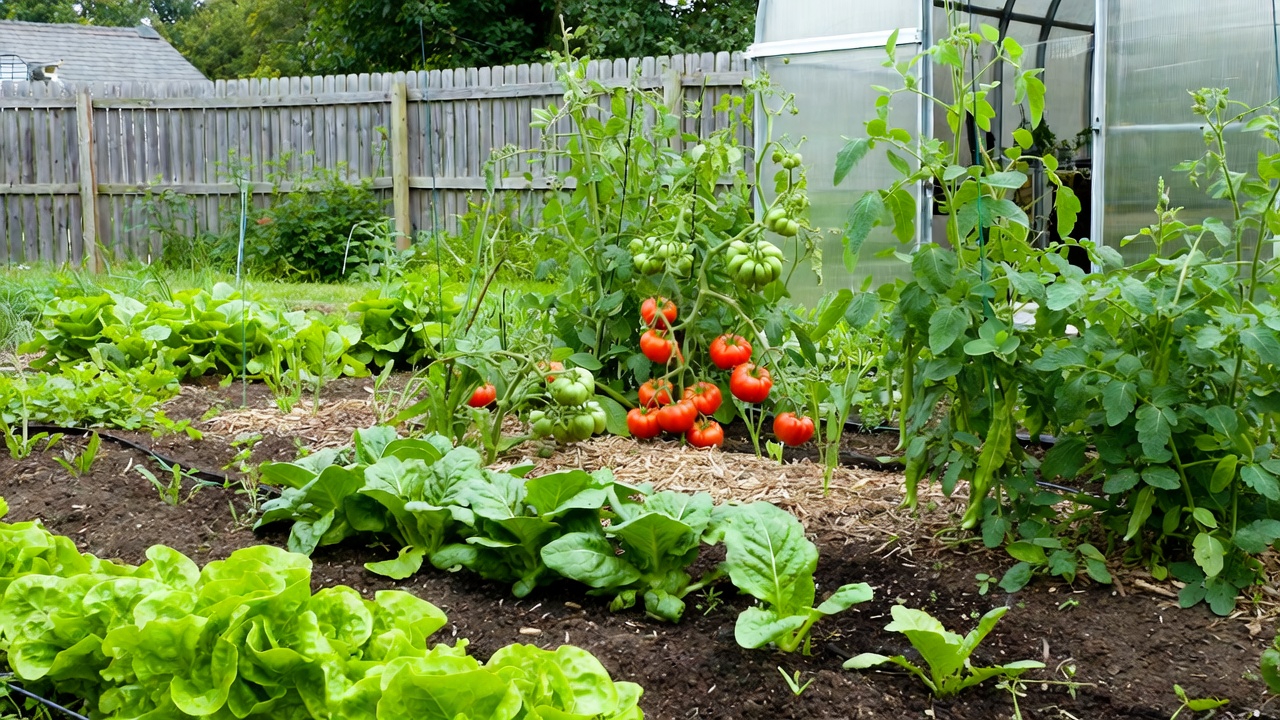
Selecting the right location for a garden is one of the most important decisions a gardener can make. This is because plant health, productivity, and overall success depend on it. The ideal garden site should have the following characteristics
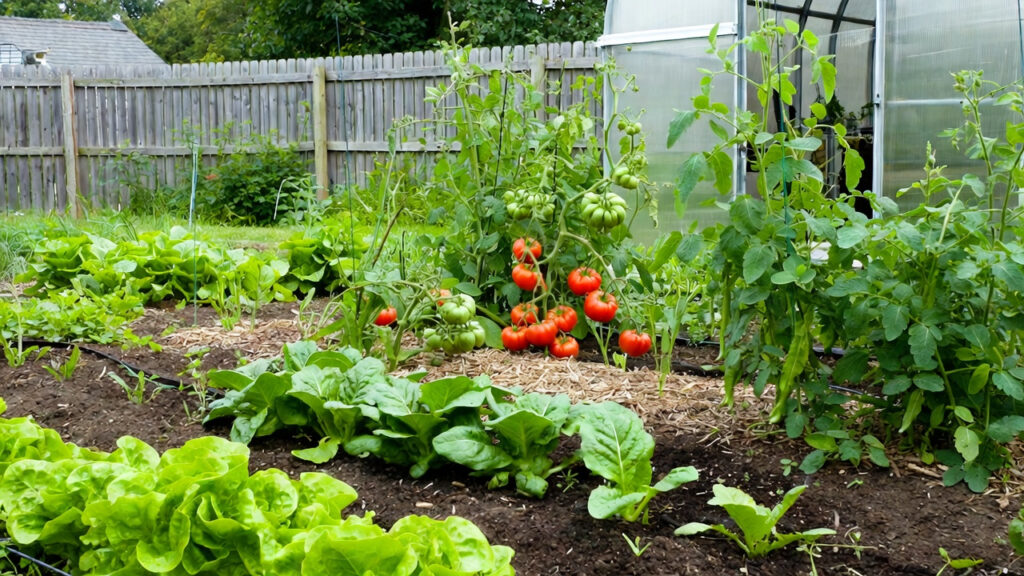
- Enough Sunlight
- Good Soil Drainage
- Enough Soil fertility
- Convenient access to water and
- Protection from strong wind
By carefully considering these elements before planting, organic gardeners and all gardeners set the foundation for a healthy, thriving, low-maintenance garden that rewards effort with bountiful harvests and health throughout the seasons.
Convenient access to Water
Water is one of the most important elements when it comes to a healthy plant. Water helps to dissolve and transport nutrients in the soil into the roots, up the plant’s stem, branches, and the leaves. Too much water around the crop suffocates the plant by cutting off their ability to take up oxygen, and drowning your plant.
Good Soil Drainage
To avoid clogging of water in your garden, choose a garden site that has a slight slant to the terrain, allowing excess water to run off naturally. Alternatively if you’re limited in the choice for your garden location, then mound up your garden plots and dig trenches around the perimeters for better drainage. Raised beds will in many cases help in waterlogged areas.
A good soil structure will help in the draining process. A mixture of large particles from sand soil and small particles from clay soils ensures a good balance between draining and retaining water. The sand’s large grains form a perfect filter, allowing water to easily pass through the microscopic pores, preventing water from pooling on its surface. Clay, on the other hand, is the smallest particle and slows drainage down. As you can probably guess, a balance of particles allows the proper water drainage and retention.
Good Soil fertility
Organic materials, such as composted matter and peat moss, are among the best way to break up dense soils. Once these organic materials are broken down, the soil gets a nice rich, fluffy texture. A correct balance of soil minerals in your will help to condition the dirt in such a way that it becomes porous enough to opens up for water to pass through. Calcium helps to breakdown dense Soils and thus aiding in soil drainage.
Enough Sunlight
Sunlight is the most critical factor when selecting a garden site because it is the power for photosynthesis: the process by which plants convert light energy into the sugars and oxygen which are very essential for growth, flowering, and fruit production. Most vegetables, herbs, and flowers thrive with 6–8 hours of direct sunlight daily. The increase of sunlight at any given day or season improves the health, yield, flavor, nutrients and general growth of the crop. Insufficient light results on the other hand leads to weak plants, pale or sparse leaves, delayed maturity, poor fruit set and greater vulnerability to pests and diseases.
Conclusion
Even though the early steps of choosing a garden site might seem frivolous, the time and resources spent here will more than pay off in the end. Take the time, build up the foundation of your garden strong to allow for proper water drainage and maximize sun exposure. Provide enough of composted matter and manure. In following these recommendations, you will most likely make up for any extra time at the beginning. Make Sure to begin Right. Happy Gardening.
4 thoughts on “Factors to Consider When Choosing a Suitable Garden Site”