
Powdery mildew is a common fungal disease which affects a wide range of plants. The disease commonly appears as a white- powdery coating on leaves, stems, flowers and sometimes fruits
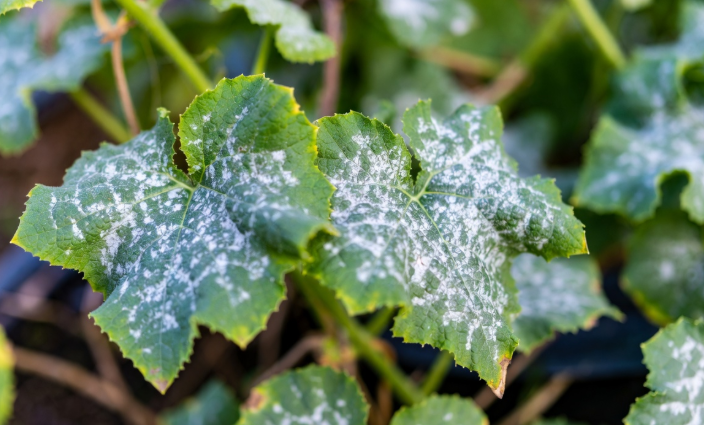
The disease may appear differently in one plant species to another. The following are the 17 symptoms of powdery mildew in tomatoes. I will begin with the top 10 most common symptoms, followed by the other 7 symptoms.
Top 10 most common symptoms of Powderly mildew in Tomatoes
Recognizing the top 10 most common symptoms outlined in this article will help you spot an infection in its earliest stages and take swift action to protect your tomato crop.
1. White, Powdery Spots
The white powdery spots appear on the upper sides of leaves. It can also appear on the stems, and/or on the fruit.
2. Yellowing Leaves.
The Edges of the leaves begin to yellow, spreading inwards.
3. Leaf Curling
As the disease worsens, the Leaves may start to curl upward. They may also be distorted while curling.
4.Premature Leaf Drop.
As the disease progresses, The infected leaves may start to fall off prematurely.
5. Stunted Growth.
The disease weakens the ability of the plant in taking and utilizing the nutrients which may lead to stunted growth.
6. Deformed Fruit
The disease may distort the shape of the fruit or cause the size of the fruit to be smaller than normal.
7. Dark Brown Spots
Dark brown spots might appear on leaves, where the disease has caused damage.
8. Slight Wilting
Plants may show some signs of wilting especially during hot days.
9. Powdery Coating on Fruit
As the disease progresses, white coating on the disease may appear.
10. Overall Plant Weakness.
The plant becomes more vulnerable to other diseases and pests due to the weakening caused by powdery mildew.
Other Symptoms of Powdery mildew in tomatoes
11.Leaf Necrosis
The tissue in the center of the leaves may die, leading to brown or black patches.
12. Reduced Flowering:
The affected plant may be affected negatively with flowering.
13.Blotchy Leaf Appearance:
Leaves may have irregular, blotchy areas of yellowing or browning.
14. Pale or Faded Leaves:
Leaves may lose their deep green color and appear pale.
15. Powdery Coating on Stems:
The white powdery covering may appear on the steps.
16. Premature Fruit Ripening:
Affected plants may have fruits that ripen prematurely.
17.Fungal Clusters on Leaves
You might notice clusters of white, powdery spores forming in patches on leaves.
Conclusion
In conclusion, recognizing the 17 symptoms of powdery mildew in tomatoes, from the tell-tale white talcum-like spots and yellowing halos on upper leaf surfaces to the less obvious signs such as premature leaf drop, stem discoloration, and reduced fruit quality, empowers growers to intervene before this insidious pathogen devastates an entire crop. Early detection, combined with cultural practices like improved air circulation, resistant varieties, proper spacing, and timely application of approved organic or synthetic fungicides, can dramatically limit its spread and impact. By staying vigilant for these diverse warning signs throughout the growing season, you can protect both yield and plant health, ensuring your tomato plants remain productive and vibrant even when conditions favor this persistent and highly adaptable fungal foe.