In today’s world of home gardening, more and more people are turning to sustainable organic practices to grow their own food. Whether you’re a seasoned gardener with raised beds overflowing with tomatoes and zucchini or a beginner just starting with container veggies on a balcony in NewYork, Tokyo, London, or Nairobi, choosing the right nutrients for your plants is crucial.
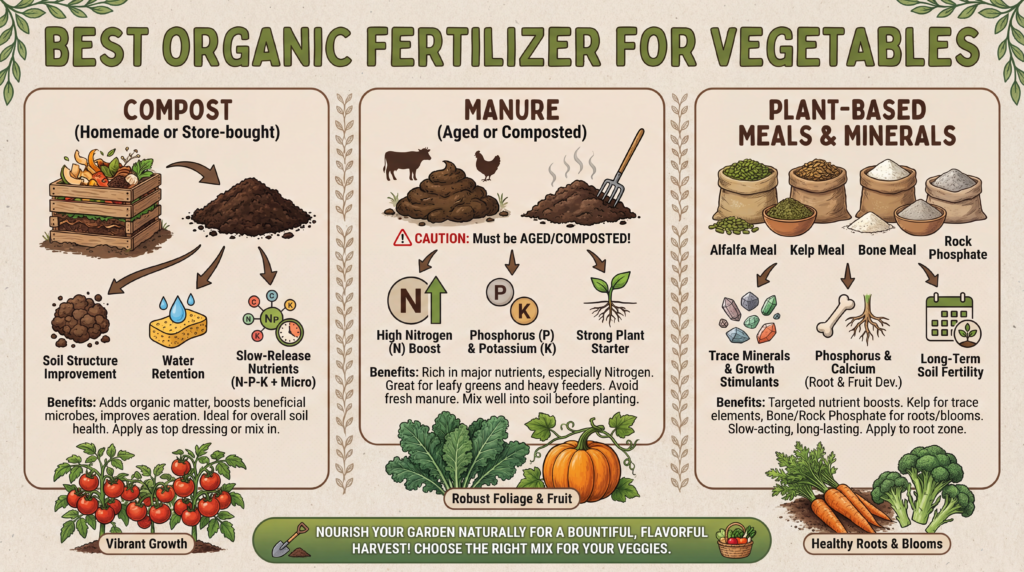
Vegetables demand a balanced supply of nitrogen for leafy growth, phosphorus for strong roots and flowers, and potassium for fruit development and disease resistance. But not all fertilizers are created equal. Synthetic options might give quick results, yet they often harm soil health over time. That’s where organic alternatives shine, feeding both plants and the beneficial microbes in the soil
Related: How to Make Organic Fertilizer with Comfrey
In this article, we’ll cover the science behind organic fertilizer options, compare top choices, share practical application tips, and even include DIY recipes you can make at home.
And if you’re searching for guidance, remember that identifying the Best organic fertilizer for vegetables can transform your garden from average to abundant. To understand more about why organic farming is Regenerative and the best option for your garden, click here
Understanding Organic Fertilizers and Why They Matter for Veggies
Organic fertilizers are always derived from naturally available sources like plants, animals, and minerals. Unlike their synthetic counterparts organic fertilizers release nutrients slowly as soil microbes break them down. This gradual process mimics nature, preventing nutrient burn and reducing runoff that pollutes waterways.
For vegetable gardens, this slow-release action is the most important. Leafy greens like spinach and lettuce crave nitrogen, while root crops such as carrots, potatoes, and beets benefit from phosphorus. Fruiting vegetables like tomatoes, peppers, and eggplants need potassium to produce juicy, flavorful yields.
Organic fertilizers not only supply these macronutrients but also micronutrients such as calcium, magnesium, and iron, and they improve soil structure by increasing organic matter.
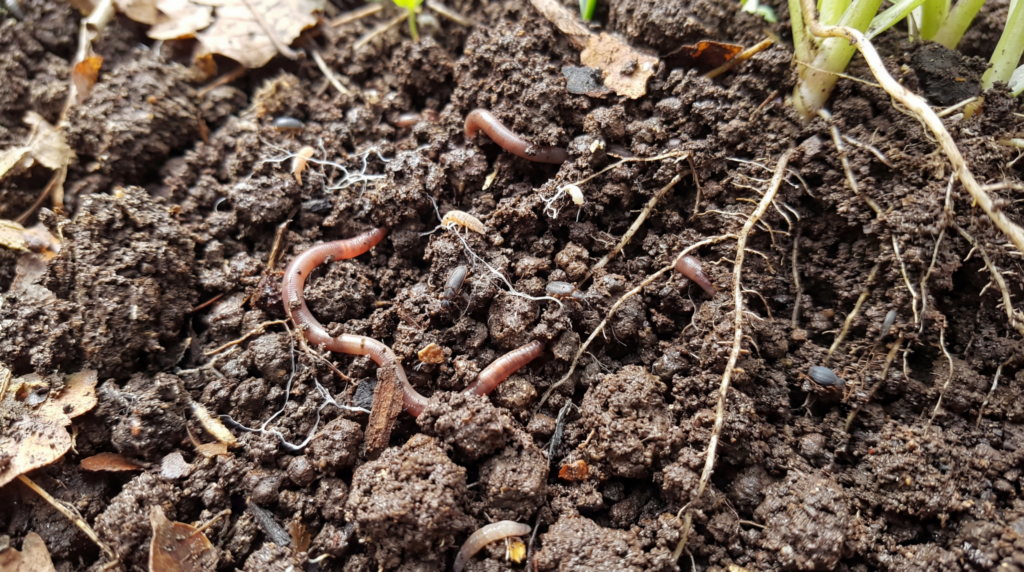
Soil health is the foundation of any successful garden. Healthy soil has thousands of benefits, including retaining moisture better, resisting pests and diseases, and supporting a diverse microbiome.
Studies have shown that consistent use of organic amendments can increase yields by 20-30% over time compared to unamended soil. In hot climates, where soils can be sandy and drain quickly, organic matter helps retain nutrients that might otherwise be washed away by the heavy rains.
Organic fertilizers reduce dependence on fossil-fuel-based synthetic fertilizers and promote biodiversity. They also comply with organic certification standards if you’re selling produce. However, they’re not a one-size-fits-all solution. Nutrient content varies widely—compost might be 1-1-1 NPK (nitrogen-phosphorus-potassium), while blood meal packs a potent 12-0-0 punch according to direct science
When selecting options tailored for edibles, the Best organic fertilizer for vegetables stands out for balancing immediate and long-term needs without synthetic additives. Brands like Espoma, Dr. Earth, and True Organic have earned gardeners’ trust through OMRI-listed (Organic Materials Review Institute) products, ensuring purity and efficacy.
The Benefits of Using the Best Organic Fertilizer for Vegetables
There are many benefits to switching to organic fertilizers. They are as follows.
1. Improvement of Plant Vigor.
Vegetables grown organically often show deeper green foliage, stronger stems, and greater resistance to common issues like blossom end rot in tomatoes or powdery mildew on squash. This is due to the holistic nutrition profile, including trace elements absent in many synthetic fertilizers
2. Thriving soil life
Second, soil biology thrives. Earthworms, bacteria, and fungi multiply, creating a living ecosystem that aerates soil and cycles nutrients efficiently. Over seasons, your garden soil becomes richer, requiring less input each year—a cost-saving benefit for budget-conscious growers.
3. Safe and Healthy Produce.
No chemicals or chemical residues mean safer, healthier harvesting and eating straight from the vine. In regions with variable water quality, the use of organic fertilizers minimizes contamination risks.
4. Sustains balanced ecology.
Environmentally, the Best organic fertilizer for vegetables supports pollinators and beneficial insects by avoiding broad-spectrum harm. Beneficial insects and pollinators can do their jobs faithfully without any risk of destruction.
Additionally, it also sequesters carbon in the soil, contributing to climate resilience. Economically, while upfront costs might seem higher, the longevity and reduced need for frequent applications make them cost-effective in the long term.
While the use of synthetic fertilizers can lead to salt buildup, pH imbalances, and dependency, Organic methods align with permaculture principles, fostering self-sustaining systems.
5. Better taste and nutrient density.
Gardeners report tastier produce too. This is especially due to the balanced minerals and nutrients take up by the plant .In practice, incorporating the Best organic fertilizer for vegetables early in the season sets the stage for success. Liquid versions provide a quick boost during peak growth without overwhelming roots.
Top Types of Organic Fertilizers Ideal for Vegetable Gardens
No single product reigns supreme, but certain types consistently rank high for veggies. Let’s break down the most effective ones, their NPK ratios, release times, and best uses.
1. Compost
Compost, whether Homemade or bagged, is typically 1-1-1 NPK, but the ratio varies depending on the ingredients. It adds humus, improves drainage in clay soils, and retains water in sandy ones. Apply 2-4 inches as a top dressing or mix into the soil. For vegetables, it’s perfect as a base amendment. Aged compost avoids the nitrogen tie-up that fresh materials cause.
2. Composted Manure
Cow, horse, or chicken manure (well-rotted to prevent burning and pathogens). Chicken manure is nitrogen-rich (around 3-2-2), ideal for leafy greens. In vegetable plots, it excels for heavy feeders like corn and cabbage. Always compost it for at least 120 days to meet safety guidelines for edible crops.
3. Worm Castings (Vermicompost)
Produced by earthworms, these are mild (0.5-0.5-0.5 NPK) but packed with enzymes, hormones, and microbes. They enhance root development in seedlings and transplants. Sprinkle 1 cup per plant or brew into tea for foliar feeding. Excellent for all vegetables, especially delicate ones like herbs and salad greens.
4. Bone Meal
Slow-release phosphorus (3-15-0 or similar) with calcium. Crucial for root crops and fruit set in tomatoes and peppers. Mix 1-2 tablespoons per planting hole. It prevents issues such as calcium deficiency, common in some tropical areas due to acidic soils.
5. Blood Meal
High-nitrogen (12-0-0), fast-acting for a mid-season boost. Great for brassicas and greens that bolt quickly in heat. Use 1-2 pounds per 100 square feet, but water well to avoid odor or burn.
6. Fish Emulsion or Hydrolysate
Liquid gold at 5-1-1 or balanced. Made from fish waste, it’s quick-absorbing and includes micronutrients. Dilute 1-2 tablespoons per gallon for weekly feeds. The Best organic fertilizer for vegetables in liquid form often includes this for its versatility in containers or hydroponics.
7. Seaweed or Kelp Meal
Potassium-rich (1-0-4) with growth hormones and trace minerals. Foliar sprays promote stress resistance—perfect for heat waves or drought. Apply as meal or extract every 2-4 weeks.
8. Bat or Seabird Guano
High in nitrogen or phosphorus depending on type (e.g., 10-3-1 or 0-10-0). Potent but expensive; use for targeted feeding on high-value crops like eggplants.
9. Greensand and Rock Minerals:
For potassium and trace elements. Slow-release, they amend poor soils over years.
10. Alfalfa Meal or Soybean Meal
Plant-based nitrogen sources (2-1-2 or higher). They feed microbes and add protein-like nutrition. Commercial blends like Jobe’s Organics Vegetable Fertilizer (2-7-4) or Dr. Earth combine these for convenience. When shopping, look for OMRI certification and match NPK to crop needs—more nitrogen early, balanced later.
The Best organic fertilizer for vegetables often combines several of these. For instance, a custom mix might include compost as the base, bone meal for roots, and fish emulsion for growth spurts. Experimentation based on your soil test yields the best results.
How to Choose the Best Organic Fertilizer for Vegetables for Your Garden
Selection depends on several factors.
1. Soil type:
Clay needs loosening organics like compost; sand benefits from water-retaining ones like worm castings. Climate matters too— in warmer zones, slow-release prevents leaching during rains.
2. Crop type is key.
Nitrogen lovers (lettuce, kale) suit blood meal or feather meal. Phosphorus-heavy for potatoes and beans points to bone meal. Potassium for cucumbers and melons favors kelp or wood ash (sparingly, as it raises pH).Budget and scale: DIY compost is free and endless. Bagged products suit small plots. Availability in local markets or online influences choices—fish-based options are common in coastal areas. Read labels carefully. NPK is listed, but check for additives such as mycorrhizae (fungi that boost root growth) or beneficial bacteria. Avoid those with synthetic fillers despite “organic” claims
The Best organic fertilizer for vegetables aligns with your goals: maximum yield, soil building, or minimal effort. For beginners, all-purpose granular like Espoma Garden-Tone simplifies things. Advanced gardeners blend custom. Test small areas first. Monitor plant response over 2-4 weeks. Yellowing leaves? Add nitrogen. Poor fruit set? Boost phosphorus.
Application Methods and Timing for Optimal Results
Timing is everything. Pre-planting: Incorporate granulars or compost 2-4 weeks before sowing. This gives microbes time to work. Side-dressing: During growth, apply around plant bases every 4-6 weeks. For tomatoes, start after first flowers.
Foliar feeding: Liquids like seaweed or fish emulsion sprayed on leaves provide fast uptake, especially in cool weather when roots slow.Watering in: Always follow with deep watering to activate and prevent burn.Quantities: Follow package rates—overdoing organics is rare but possible with high-nitrogen types. For a 10×10-foot bed, 5-10 pounds of balanced granular might suffice initially. In raised beds or containers, use lighter applications more frequently since volume is limited. Mulch after fertilizing to lock in moisture and suppress weeds.
Seasonal adjustments: Spring for establishment, summer for maintenance, fall for soil building with cover crops.The Best organic fertilizer for vegetables integrates seamlessly into these routines, delivering consistent results without guesswork.
DIY Organic Fertilizer Recipes to Save Money and Customize.
Creating your own is empowering and cost-effective. Here’s a proven complete organic fertilizer (COF) inspired by gardening experts:
- 4 parts seed meal (cottonseed or soybean for nitrogen)
- 1/3 part agricultural lime
- 1/3 part gypsum
- 1/3 part dolomitic lime
- 1 part bone meal or rock phosphate
- 1/2 part kelp meal
Mix by volume in a bucket. Apply 2-4 cups per 10 square feet. This balanced blend feeds most vegetables comprehensively.
Compost tea: Steep 1 part compost in 5 parts water for 24-48 hours, strain, and dilute 1:10 for watering. Add molasses for microbial boost.
Banana peel fertilizer: Soak peels in water for a potassium-rich tea—ideal for tomatoes.
Eggshell tea: Crush and soak for calcium against blossom end rot
Manure tea: Use aged manure in a bucket, dilute heavily. These recipes let you tailor to needs. For nitrogen-heavy, add blood meal sparingly. Rotate ingredients to avoid imbalances.
The Best organic fertilizer for vegetables can be homemade, proving you don’t need fancy store-bought options to succeed.
Common Mistakes to Avoid and Pro Tips from Experienced Gardeners
- Over-application. Even organics can imbalance soil if overused. Stick to soil tests annually.
- Ignoring pH: Most veggies prefer 6.0-7.0. Lime or sulfur adjusts as needed.
- Fresh manure use: Pathogen risk—always age or compost.
- Inconsistent feeding: Vegetables are hungry; irregular schedules stunt growth.
- Poor timing with weather: Apply before rain to avoid wash-off, but not during heat waves for liquids.
- Pest/disease confusion: Fertilizer isn’t a cure-all; pair with good practices like crop rotation.
Pro tip: Layer with mulch and companion planting for synergy. Track results in a garden journal. Many gardeners swear by combining the Best organic fertilizer for vegetables with cover cropping for year-round soil health.
Conclusion
Whether blending your own or choosing trusted brands, the journey leads to healthier harvests and deeper garden satisfaction. Start small, observe, and adjust. Your veggies will thank you with vibrant growth and bountiful produce. Remember, the Best organic fertilizer for vegetables is the one that fits your unique garden. Experiment confidently, and watch your edible oasis flourish. Happy gardening—may your beds overflow with fresh, flavorful bounty all season long!
2 thoughts on “The Best Organic Fertilizers for Vegetables – Boost Growth Naturally in 2026”