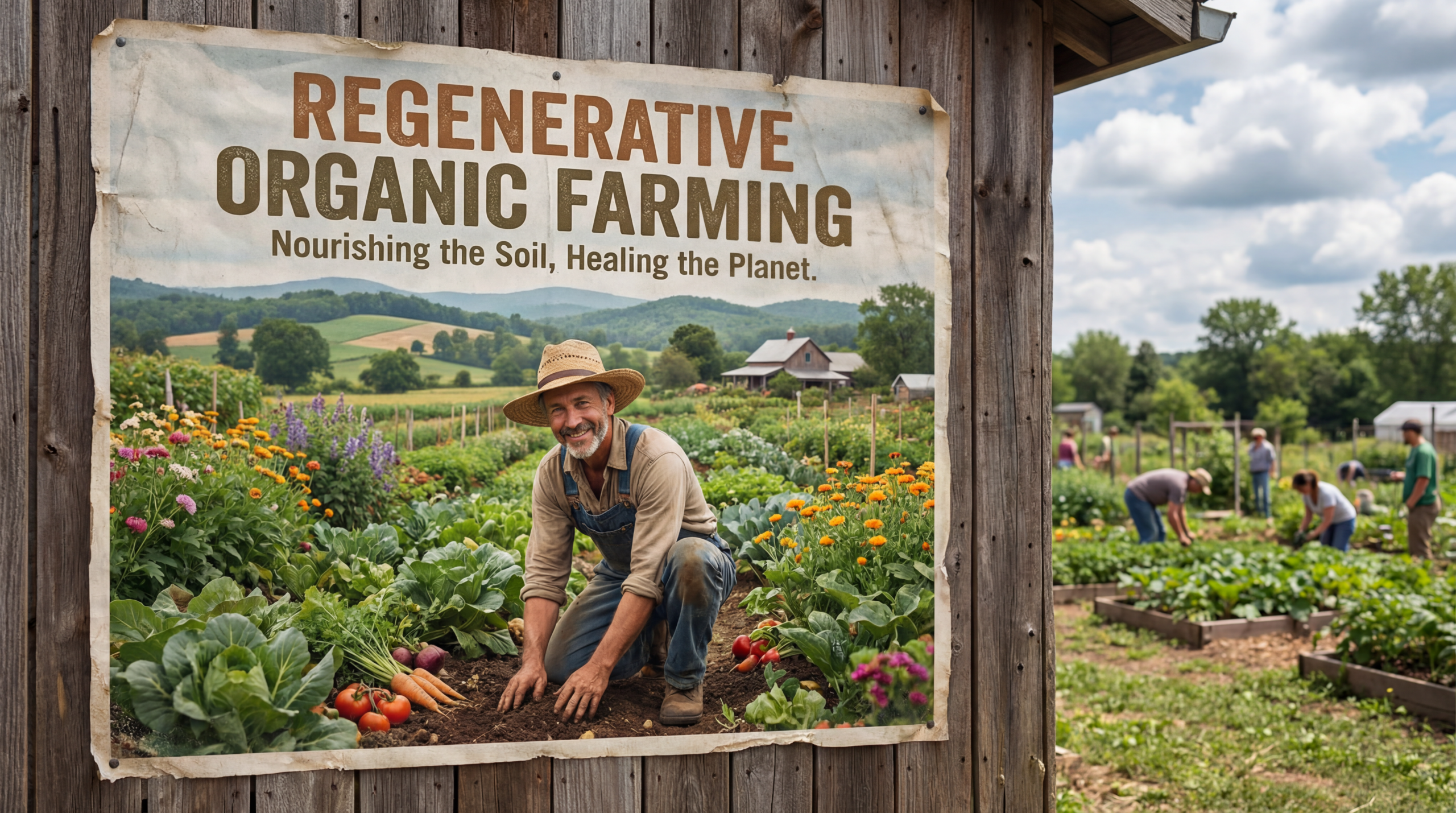
In an era of worrying climate change, soil degradation, loss of soil fertility, and biodiversity loss, the world’s food system stands at a crossroads. Conventional industrial agriculture has depleted topsoil at alarming rates. Amid this crisis, two terms dominate conversations: “organic” and “regenerative.” What is Organic and what is Regenerative Organic Farming?
Organic farming is regenerative by itself. Grounded in principles that govern nature, it builds healthy soil, sequesters carbon, protects biodiversity, and supports resilient farm communities. As the Organic Farming Research Foundation (OFRF) emphasizes, organic agriculture “encompasses the essence of holistic and regenerative farming.” It shares the same goals as regenerative practices.
Quick fact
Regenerative practices work towards restoring ecosystems rather than merely sustaining them—and it delivers verifiable, legally enforced outcomes.
This article explores why organic farming qualifies as regenerative, drawing from trusted sources like Organic Farm Research Foundation, the Rodale Institute, Regenerative Organic Alliance and many more others. We’ll examine definitions, practices, scientific evidence, benefits, real-world examples, challenges, and the path forward. Organic farming offers a proven, scalable model for regenerating our planet’s life support systems in a practical and simple way
Understanding the Terms: Organic vs. Regenerative
Organic farming is an approach to agriculture that prioritizes healthy food, soils, plants, and environments alongside crop productivity by using biological fertilizers (commonly known as organic fertilizers), cover cropping, and crop rotation with an aim of building healthy soil, improving water absorption, and helping crops to better resist pests and diseases.
In Summary, Organic Farming Prohibits the use of,
- Synthetic fertilizers
- Pesticides and
- GMOs
Regenerative agriculture, by contrast, emphasizes outcomes: actively restoring soil health, increasing biodiversity, sequestering carbon, and enhancing ecosystem services. Robert Rodale of the Rodale Institute coined “regenerative organic” in the 1980s to describe farming that goes beyond sustainable—not just maintaining resources but improving them through continuous innovation in environmental, social, and economic measures. It prioritizes soil as the foundation, viewing farms as interconnected systems of soil, water, plants, animals, and humans.
Related: Factors to Consider When Choosing a Suitable Garden Site
Why is Organic Farming Regenerative?
From the definitions above, it is clear that Organic standards require many regenerative practices which may include:
- reduced tillage
- cover cropping
- crop rotations
- compost application and
- soil protection.
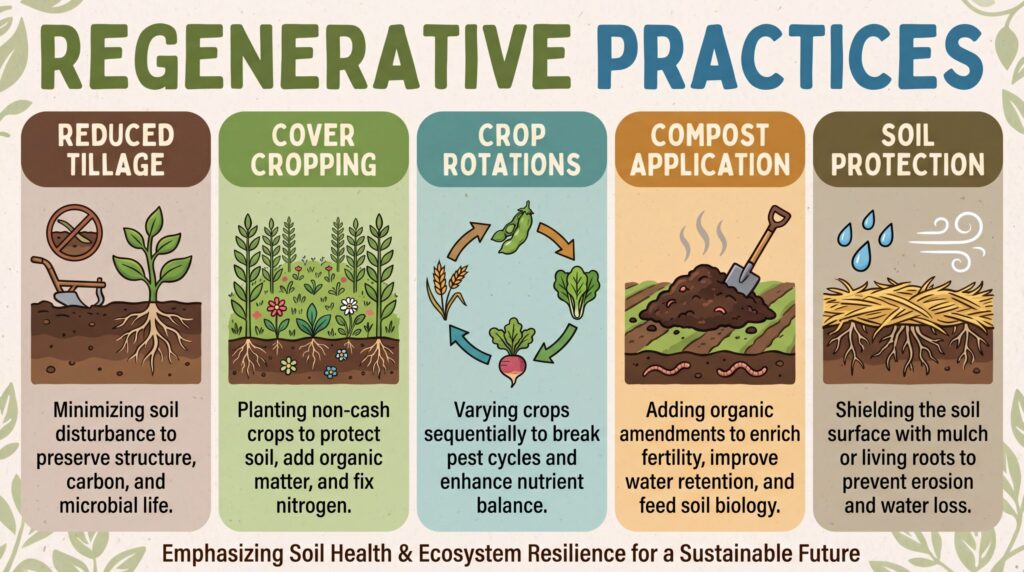
Research shows that diversified organic farming is regenerative. Organic farming achieves the key aims of regenerative agriculture, which include,
- Soil health
- Climate resilience
- Carbon sequestration
- Reduced emissions
- Biodiversity protection, and
- Community wellbeing
Organic isn’t a subset of regenerative; it is regenerative, with legal teeth and decades of data proving it rebuilds what industrial systems have destroyed.
Core Principles: How Organic Practices Drive Regeneration
Organic farming regenerates through five main principles, each backed by scientific research.
1. Soil Health as the Foundation
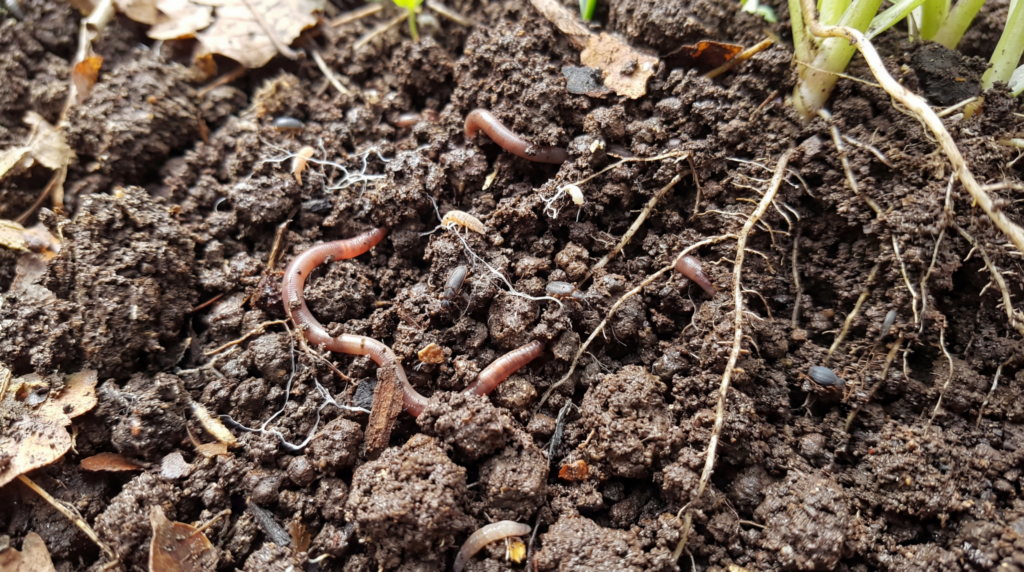
Healthy soil is alive with microbes, fungi, earthworms, and organic matter. Organic practices help build the soil by prohibiting synthetic inputs that harm soil life. And uses organic amendments like compost, green manures, and crop residues. Minimal tillage preserves soil structure, while cover crops and rotations prevent erosion and feed soil organisms.
As a result Organic soils show higher organic matter, better aggregation, and ten times greater water infiltration than conventional fields.
2. Carbon Sequestration and Climate Mitigation
Soil carbon sequestration is a process in which CO2 is removed from the atmosphere and stored in the soil carbon pool through the process called photosynthesis. Soils store more carbon than the atmosphere and all vegetation combined. Second only to the ocean. Organic systems sequester it by keeping living roots in the ground year-round and adding carbon-rich amendments.
3. Biodiversity Above and Below Ground
Some Biodiversity studies indicate that organic farms have a 30% increase in species biodiversity, and a 50% increase of beneficial microorganisms compared to conventional farms.
By avoiding harmful pesticides, organic farming creates habitat rather than toxic dead zones. Pollinators thrive; crop rotations and intercropping support diverse species.
4. Water and Resource Efficiency
Regenerative organic systems optimize water use. Healthy soil holds 20 times its weight in water, reducing runoff, erosion, and irrigation needs. Practices like cover crops and minimal tillage improve nutrient cycling, cutting fertilizer runoff that pollutes waterways.
5. Holistic Farm Ecosystem and Social Fairness
Organic regenerative farming integrates livestock via rotational grazing, perennials, agroforestry, and wildlife habitats. The Animal waste easily fertilizes the soil.
These principles aren’t optional add-ons; they’re embedded in organic standards, making organic a verifiable regenerative system.
Benefits of Organic Regenerative Farming
1. Environmental Resilience
Organic farms, to a large extent, withstand climate extremes better due to better soil structure and superior water-holding capacity.
2. Economic Gains for Farmers
Regenerative organic farming cuts costs while boosting the yields. These costs includePlant protection chemicals, Chemical fertilizers, and irrigation costs.
3. Social and Health Equity
Organic farming protects farmworkers from toxic exposure and builds community wealth. The Farmers will be less sick from diseases that are caused by chemical sprays and fertilizers. Organic farming also supports rural economies and delivers more nutritious food.
Challenges and the Path Forward
Organic regenerative Farming faces also some challenges. They include:
- Transition costs
- Lack of enough knowledge
- Difficulties in accessing, and
- Inadequate or a lack of policy support.
Conclusion
Organic farming isn’t merely sustainable—it regenerates soil, sequesters carbon, revives biodiversity, cuts emissions, and nurtures resilient communities. By choosing organic regenerative farming and advocating for policies that expand it, we invest in healthier soils and people.
1 thought on “Why Organic Farming is Regenerative”