
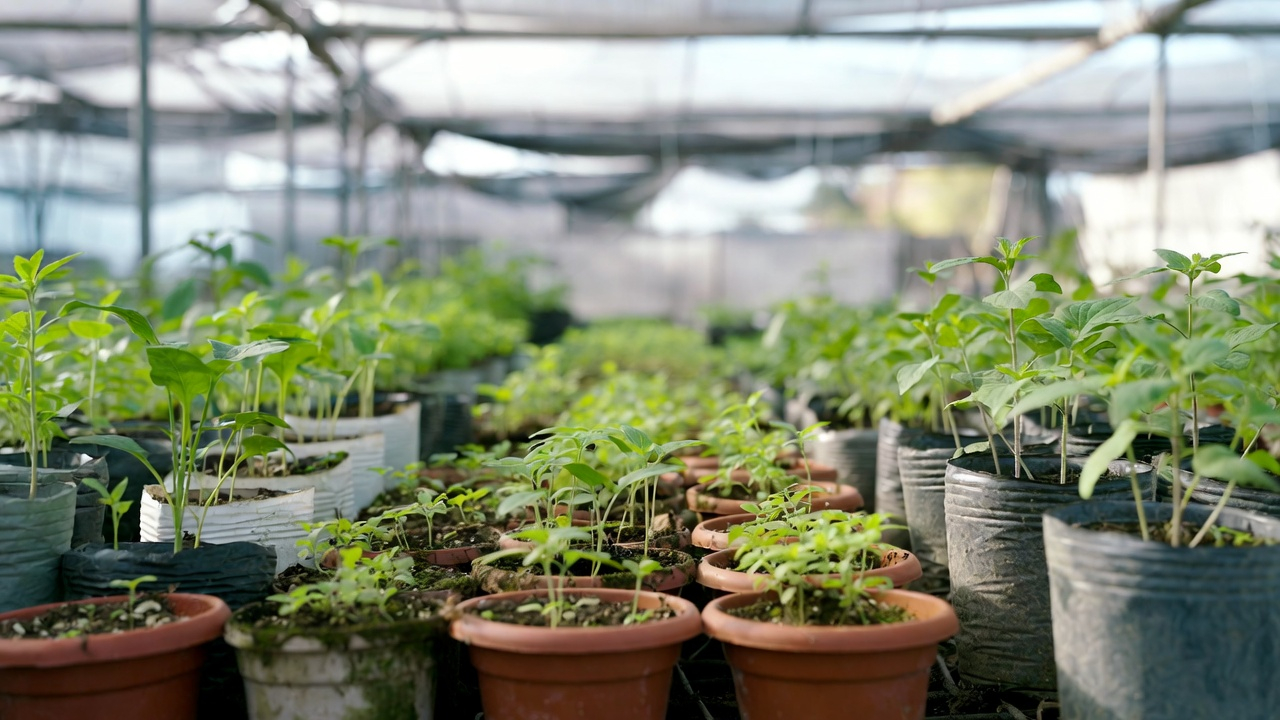
What is a Nursery?
A nursery is a special place or area where young plants are grown and cared for until they are strong enough to be transplanted to their permanent growing location. In a nursery, seeds are planted, and seedlings are raised under controlled, favorable conditions, such as proper soil, water, sunlight, and protection from pests and diseases.
Nurseries are most commonly used to produce horticultural crops such as vegetables, fruits, flowers, and tree seedlings. Nurseries make it possible to provide maximum care to tiny, delicate plants before they are strong enough for transplanting.
Characteristics of a good Nursery bed
A good nursery usually has the following features:
- Well-prepared soil or nursery beds
- Access to sufficient water for irrigation
- Protection from animals, pests, and strong winds
- Good sunlight exposure
- Proper drainage to prevent waterlogging
Types of Nursery Beds
There are about 5 types commonly known types of Nursery beds. They Include the following.
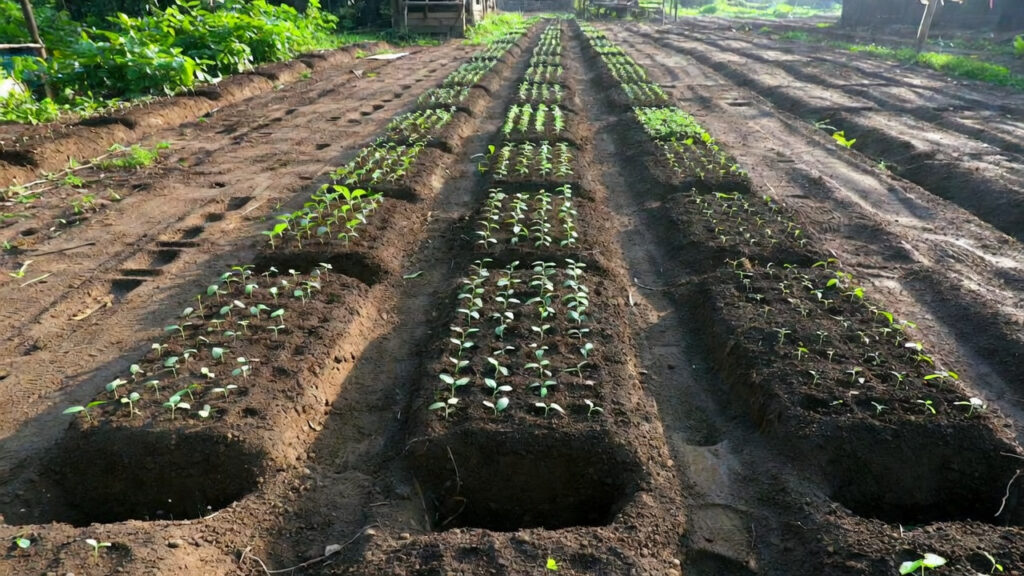
1. Raised Nursery Bed
This is a type of nursery bed where the soil is raised above the ground level, usually about 15–20 cm high. Paths are left in between the beds for easy access. This type of beds have improved drainage.
Advantages
- Prevents waterlogging by improved drainage
- Improves soil aeration.
- Suitable for areas with heavy rainfall or poor drainage.
Disadvantages
- Requires more labor to prepare.
- Soil usually dry quickly during hot weather.
Crops Commonly Grown
- Tomatoes
- Cabbage
- Onions
- Peppers
Raised nursery beds are the most widely used type of nursery bed.
2. Flat Nursery Bed
This type of bed is prepared at the same level as the surrounding land.
Advantages
- This is the easiest to prepare.
- Requires less labor and time.
Disadvantages
- May suffer from poor drainage.
- Can become waterlogged during heavy rains.
Crops Commonly Grown
- Spinach
- Lettuce
- Some vegetable seedlings
Flat beds are suitable in areas with moderate rainfall and well-drained soils.
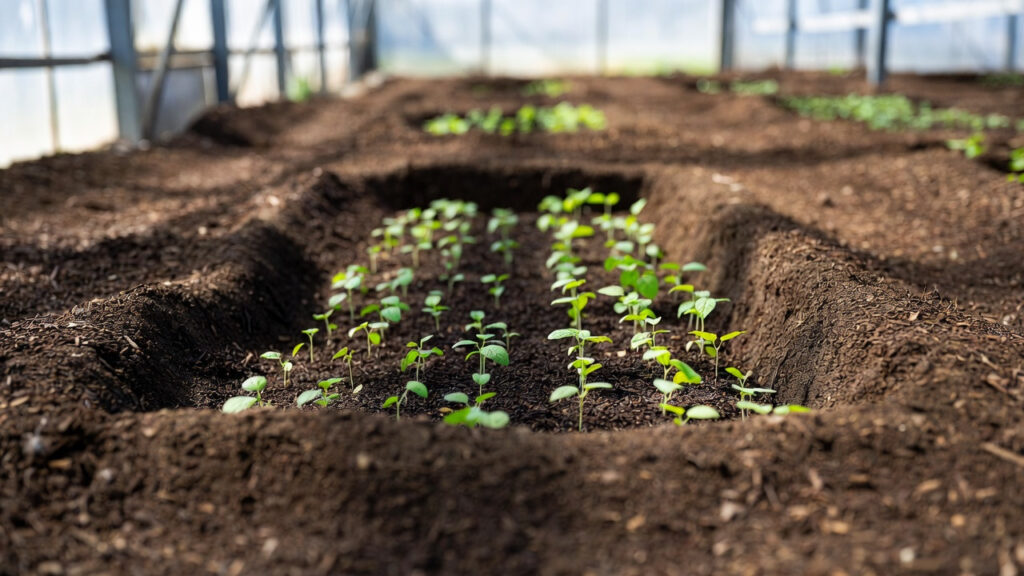
3. Sunken Nursery Bed
Sunken beds are usually prepared 10-15cm below the ground level.
Advantages
- The bed conserves soil moisture.
- Suitable for areas with scarcity of water.
Disadvantages
- Can easily become waterlogged in heavy rains.
- Not suitable for poorly drained soils.
Crops Commonly Grown
- Crops grown in dry regions where moisture retention is important.
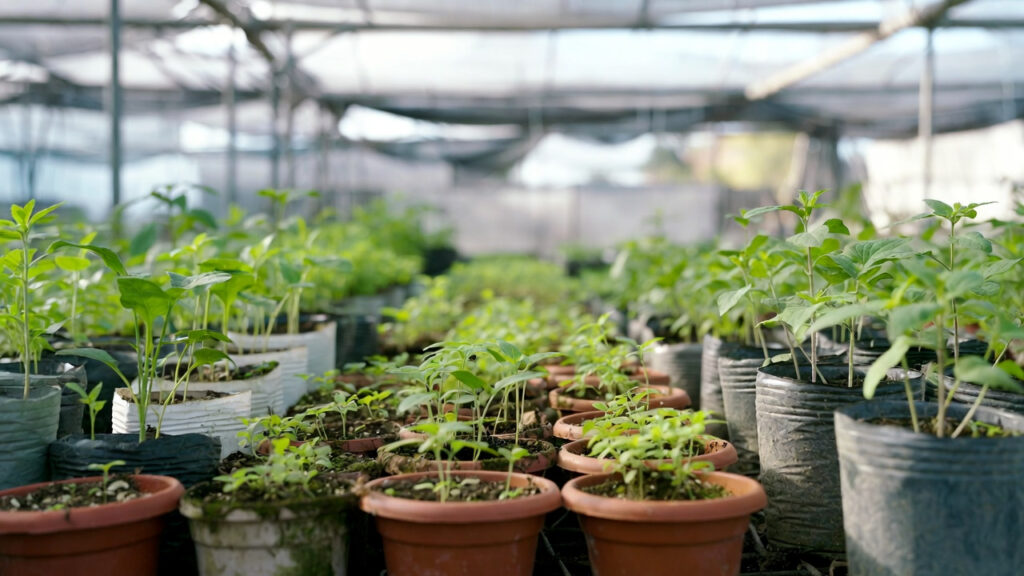
4. Pot Nursery Bed
A pot nursery bed is a system in which seeds are grown in pots, containers, or polythene bags rather than directly in the soil. Only one seed or plant is grown in one container, which is then arranged in a nursery area.
Advantages
- Roots remain disturbed during transplanting process
- This method Reduces transplant shock.
- Easy to transport seedlings.
- Suitable for raising many types of vegetables and tree seedlings.
Disadvantages
- Requires containers or polythene bags.
- Requires more careful watering and management.
Crops Commonly Grown
- Fruit trees
- Forest tree seedlings
- Ornamental plants
- Some vegetables
5. Ridge and Furrow Nursery Bed
This type of beds consists of raised ridges separated by furrows. The Seeds are planted on the ridges while the furrows as used for irrigation and drainage
Advantages
- Improves water management.
- Prevents waterlogging.
- Helps in proper root development.
Disadvantages
- Requires more effort to construct.
- Needs proper spacing and planning.
Crops Commonly Grown
- Vegetables such as tomatoes, onions, and peppers.
2 thoughts on “Making of Nursery and Seed Beds and Seed Propagation”