
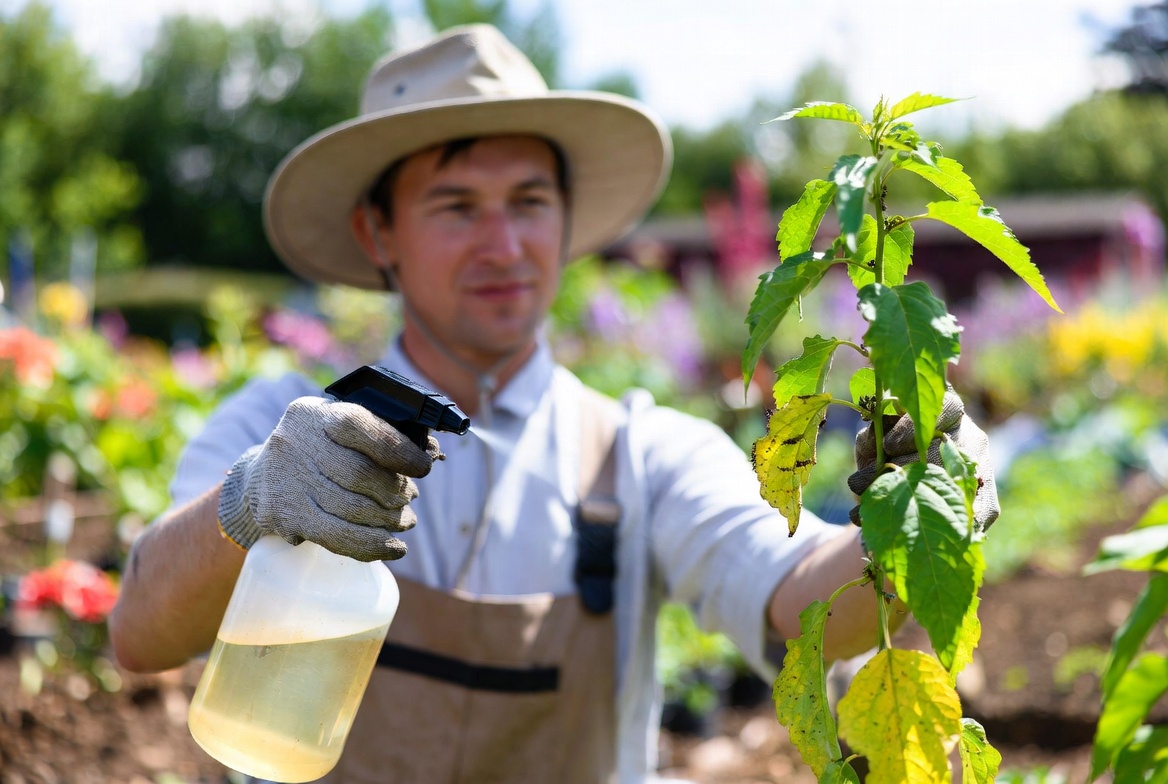
Every gardener has been there: you step outside, with some herbal tea in your hand, ready to admire your tomatoes—only to discover half the leaves look like lace and something has been feasting on your broccoli overnight. The old reflex is to reach for the chemical spray. But many of us are now asking: “Is there a better way?” The answer is a resounding yes. Organic pest control isn’t just possible—it’s often more effective in the long run, safer for kids and pets, and far kinder to the bees, birds, and beneficial insects we depend on.
This guide is for anyone who wants practical, battle-tested natural pest control strategies that actually work. No fluff, no pseudo-science—just methods I’ve used myself or watched master gardeners have used for decades.
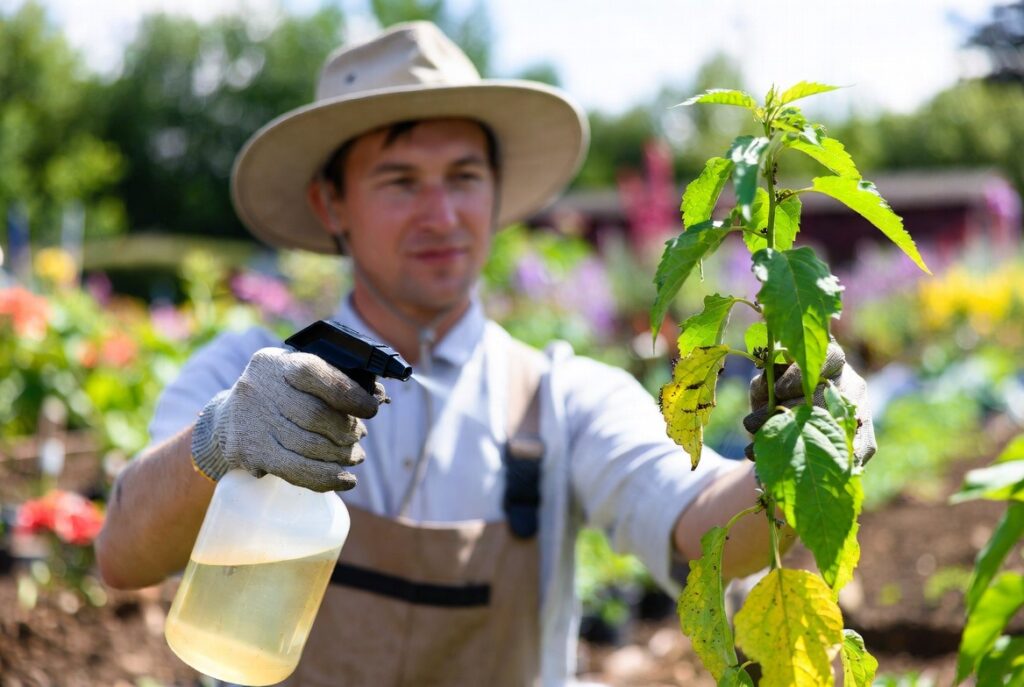
Why Switch to Non-Toxic Pest Control?
In an article published in Colorado State University, the author states that,
If mechanical or cultural controls aren’t enough to reduce the pest risks to your plants, natural biological pesticides could be a low-risk next step.
Killing all pests and insects with chemical sprays does not change anything in the long run. You will need to use more chemicals, and even more, before you can kill the same number of insects. Traditional pesticides don’t just kill the “bad” bugs. They wipe out all insects—ladybugs, parasitic wasps, even the microbes in your soil that keep plants healthy. Over time, you end up with silent, sterile gardens and pests that evolve resistance faster than chemists can invent new chemical poisons.
Instead of declaring war on all insects, you manage populations so the harmful ones never reach damaging levels. The result is that plants get tougher, soil gets richer, and you harvest food you’re actually excited to feed your family.
The Foundation: Prevention Beats Cure Every Time
The cheapest, easiest form of organic pest control is making your garden an unattractive place for destructive pests in the first place. and an attractive place for beneficial Insects. The following are some of the preventive measures for destructive pests
1. Feed the soil, not the plant
Compost, well-rotted manure, and cover crops create vigorous plants that produce their own defensive chemicals. Weak, nutrient-starved plants send out stress signals that aphids and spider mites can smell from across the yard.
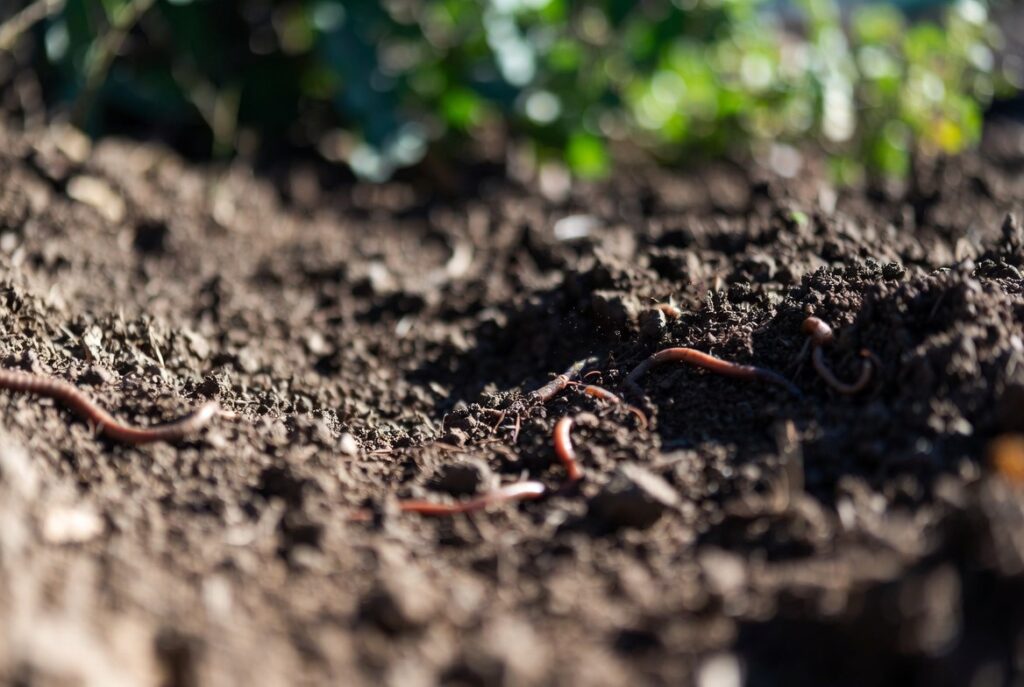
According to the published article, Healthy soil helps prevent infestation in the following ways
- Improved Plant Immunity. Soil nutrients: calcium, nitrogen, manganese, silicon, and sulphur play a direct role in plants’ natural resistance to pests and diseases. Proper nutrient management suppresses disease severity
- Natural Pest Suppression. A Healthy soil harbours diverse beneficial microbes, which suppress harmful or bad pests and diseases by producing bioactive compounds like antibiotics.
- Improved Soil Structure for Root Health. Healthy soils promote deeper root systems, which reduce the incidence of compaction, thereby reducing root diseases such as Phytophthora root rot.
- Better Water Management. Healthy soils have superior water-holding capacity, allowing for efficient drainage. This prevents waterlogged conditions, which are commonly known to promote anaerobic soil-borne pathogens, such as Pythium and Phytophthora.
2. Choose the right plant for the right place
When a plant is matched to its preferred light, soil type and texture, moisture, and climate conditions, it thrives and develops its own natural defenses, which include: thick cell walls, higher levels of protective compounds, and a robust immune response that make it far less appealing or vulnerable to insects and diseases. By selecting well-adapted species that thrive in your specific site, you create not only healthy but resilient plants that rarely need intervention.
3. Diversify crops
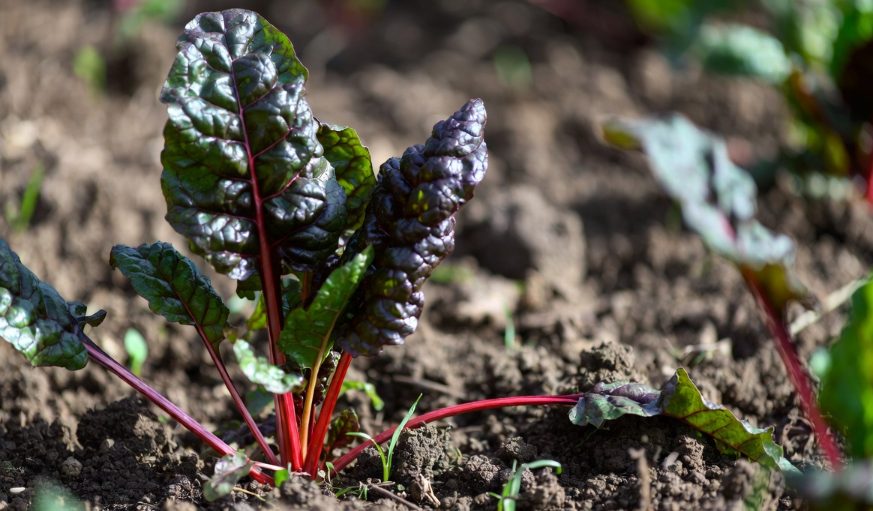
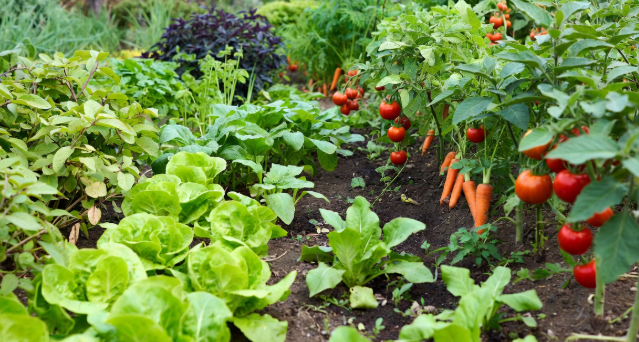
When many different plants grow together, insect/pests that specialize in one crop have greater difficulty finding and concentrating on their host. Additionally, disease spores landing on the wrong plant species cannot infect it and quickly lose viability. Studies show that diversification can reduce pest damage by 20–70 % and disease incidence by up to 90 % compared to monocultures
4. Rotate crops religiously
Never plant the same family in the same spot two years running. This starves out soil-dwelling pests and breaks disease cycles.
5. Keep things clean
Fallen fruit, pruned branches, and spent plants are five-star hotels for pests and pathogens. Remove them promptly.
Mechanical and Physical Controls: Simple but Brutally Effective
Sometimes the best tool is a physical barrier or your own two hands.
- Floating row cover – The unsung hero of organic pest control. Lightweight fabric lets in light and water but keeps out cabbage moths, flea beetles, squash vine borers, and more. Remove it during flowering for crops that need pollinators.
- Hand-picking – Yes, it’s gross the first time you drop a tomato hornworm into a bucket of soapy water, but it’s incredibly satisfying and 100 % selective.
- Traps
• Yellow sticky traps for whiteflies and fungus gnats
• Pan traps (yellow bowls filled with soapy water) for flea beetles and wasps
• Pheromone traps for codling moths and Japanese beetles
• Beer saucers for slugs (they dive in and drown—cheap date) - Diatomaceous earth – Fossilized algae sharpened into microscopic glass shards. Deadly to slugs, ants, fleas, and any soft-bodied insect, harmless to mammals when food-grade.
- Kaolin clay (Surround) – Creates a white particle barrier that irritates insects and blocks egg-laying. Fantastic on apples and potatoes.
Biological Control: Let Nature’s Hitmen Do the Work
This is where natural pest control gets really fun. Instead of you doing all the killing, you recruit an army. Beneficial insects to know and love:
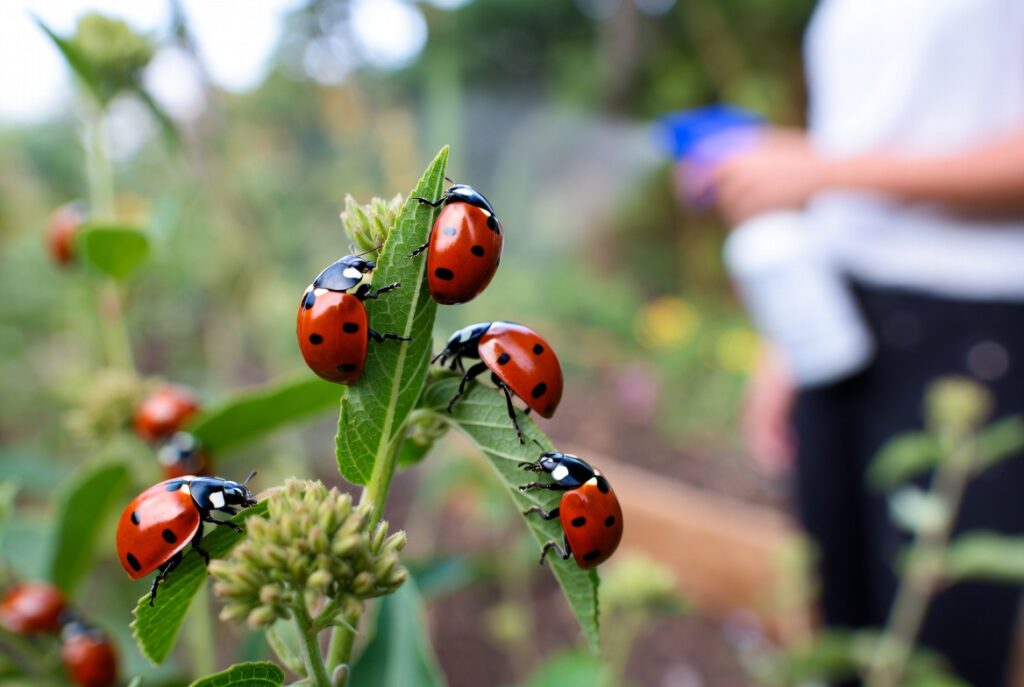
- Lady beetles (both adults and larvae devour aphids)
- Green lacewing larvae (“aphid lions”)
- Minute pirate bugs (thrips and spider mite assassins)
- Parasitic wasps (so tiny they won’t sting you, but they’ll turn caterpillars into mummies)
- Predatory mites (spider mite exterminators)
- Beneficial nematodes (microscopic worms that hunt grubs and root-feeding larvae in the soil)
Botanical and Homemade Sprays That Actually Work
When you need to intervene directly, these non-toxic pest control sprays are OMRI-listed or easily made at home.
- Neem oil (cold-pressed with azadirachtin)
Disrupts feeding, growth, and reproduction. Excellent broad-spectrum choice for aphids, whiteflies, mites, and even early fungal issues. - Insecticidal soap (pure potassium fatty acids—no fragrances)
Dissolves the waxy coating of soft-bodied insects on contact. Repeat every 3–5 days to break the life cycle. - Spinosad
Derived from a soil bacterium. Devastating to thrips, caterpillars, leaf miners, and Colorado potato beetle larvae while sparing most beneficials. - Bacillus thuringiensis (Bt)
Different strains for different pests: kurstaki for caterpillars, israelensis for mosquito larvae, tenebrionis for beetle grubs. - DIY Garlic-Hot Pepper Spray
Blend 3–4 hot peppers, 4 cloves garlic, 1 onion, and a quart of water. Let sit overnight, strain, add a drop of natural dish soap. Repels everything from aphids to deer. - Tomato leaf tea
Tomato leaves contain toxic alkaloids. Soak a cup of chopped leaves in two cups water overnight, strain, and spray on aphids.
Debunking the Myths
“Organic means you just live with the bugs.”
No. Organic growers lose less crop long-term because they build resilient systems instead of creating chemical dependency.
“Natural sprays are 100 % safe.”
They’re vastly safer than synthetics, but overuse can still harm beneficials. Rotate modes of action and spray in the evening when bees aren’t flying.
“It’s too expensive.”
A single release of predatory mites or nematodes costs less than a season of chemical sprays—and it keeps working for years.
Conclusion
Every time you choose organic pest control, you vote with your wallet and your garden for a different kind of agriculture. You keep toxins out of groundwater, protect pollinators that produce one-third of our food, and grow nutrient-dense produce that actually tastes like something.
2 thoughts on “Organic Pest Control: How to Protect Your Garden Without Poisoning the Planet”