
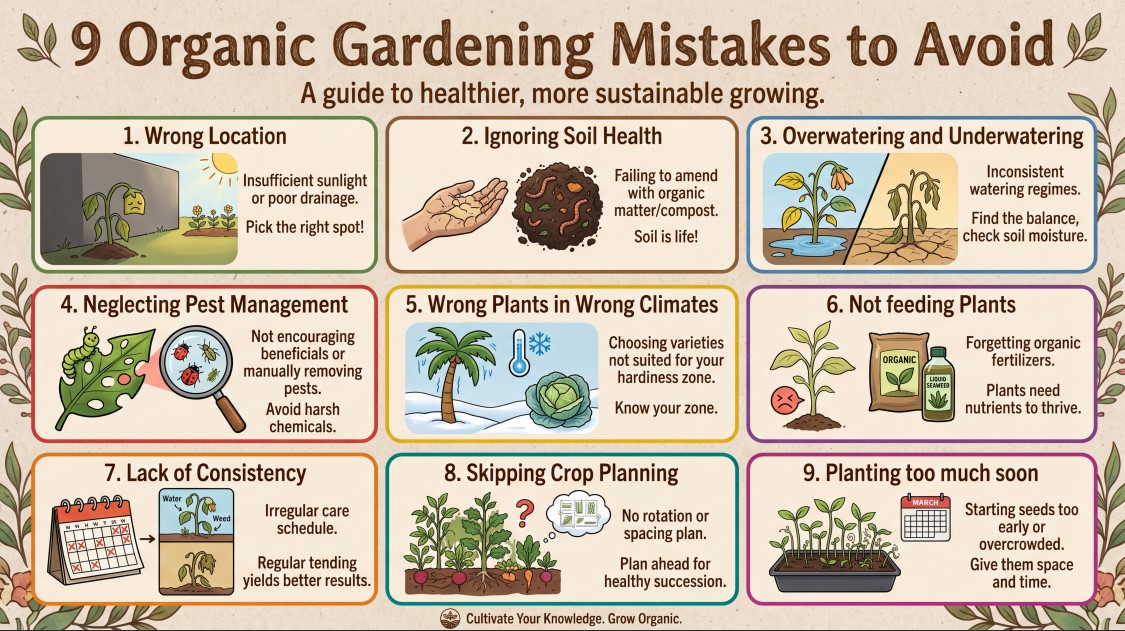
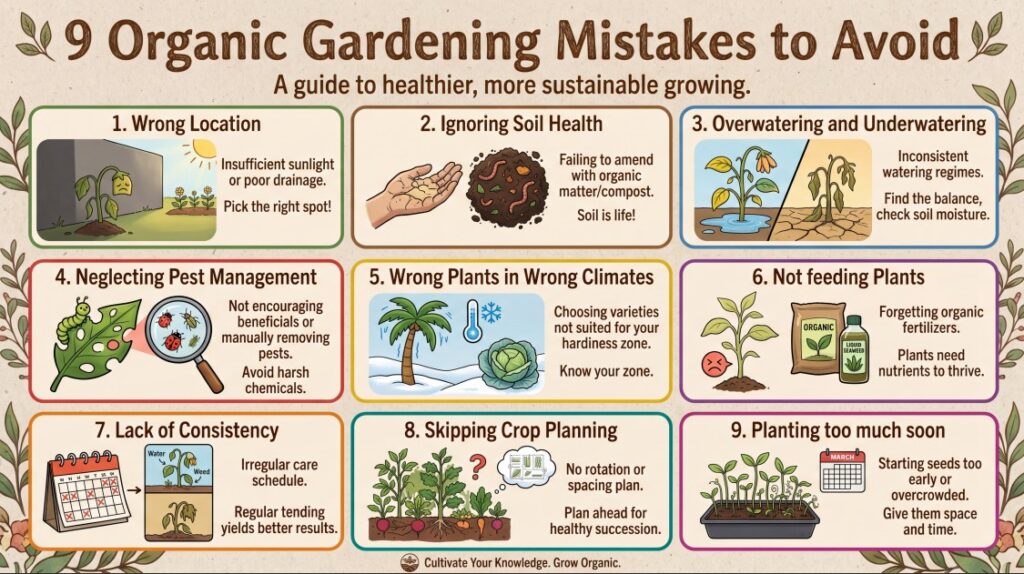
Every new gardener makes mistakes! And every experienced gardener made mistakes long ago. If you make mistakes, it’s okay if you learn to solve gardening problems through them. Do not be discouraged or frustrated. In this article, I will walk you through nine mistakes to avoid as a new organic gardener.
If you’re completely new, start by reading how to start an organic garden from scratch before diving into what to avoid.
Quick Fact
Do you know that Sir Lawrence Bragg, the 1915 Nobel Prize winner in Physics for X-ray crystallography, was a passionate gardener? He often took a part-time job as a gardener in Chelsea after moving to London in 1954.
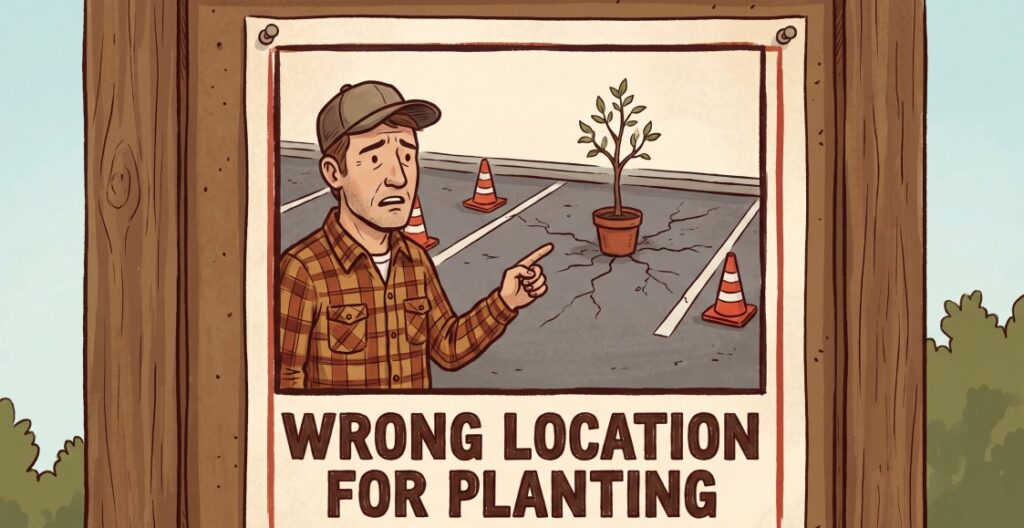
1. Choosing the Wrong Location
One of the most common Gardening mistakes is planting in a poor location. This will include locations with less sunlight when you’re growing sunlight-loving crops like tomatoes, or low-lying land with clay soils when you’re growing watermelons.
How to avoid it:
Make sure you understand the unique nutritional needs of your crops and the types of soil needed before you settle on a specific location. Choose a spot that gets consistent sunlight, has well-draining soil, and has free space for adequate airflow.
Learn how to avoid choosing the wrong location here
2. Ignoring Soil Health
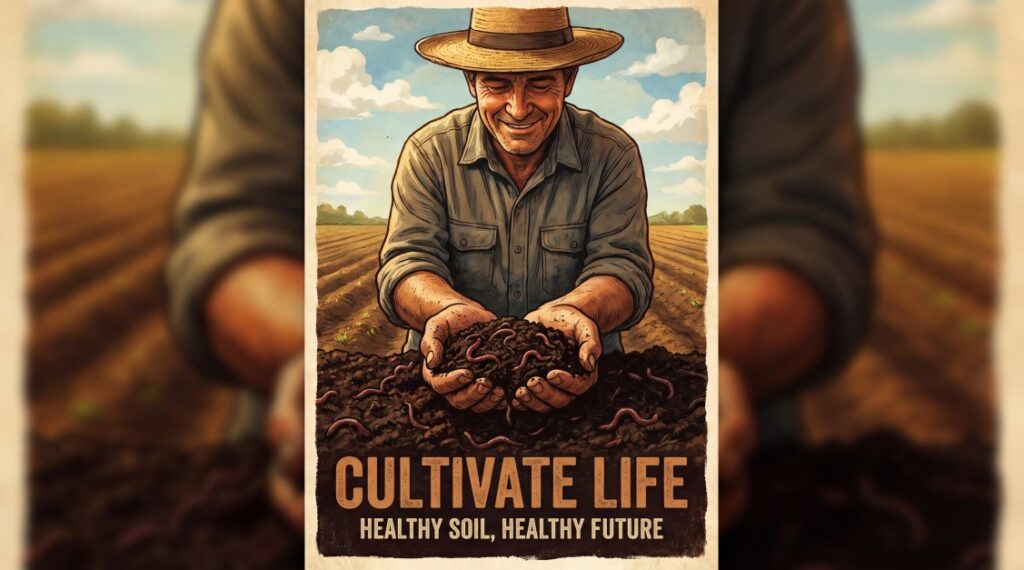
Healthy soil is the core of organic gardening. And yet it is among the most common Gardening mistakes that beginner gardeners make. If your soil is poor, it lacks nutrients and beneficial microorganisms that plants need to thrive.
Poor soil is one of the biggest gardening mistakes — check out these 6 signs your soil is lacking organic matter to see if yours is the culprit.
How to avoid it:
Make sure you have a plan to enrich your soil with compost, well-rotted manure, or organic fertilizers with planting. Test your soil regularly to understand its pH and nutritional deficiencies. Making your soil Healthy will reward you with stronger plants and a vibrant harvest.
3. Overwatering or Underwatering
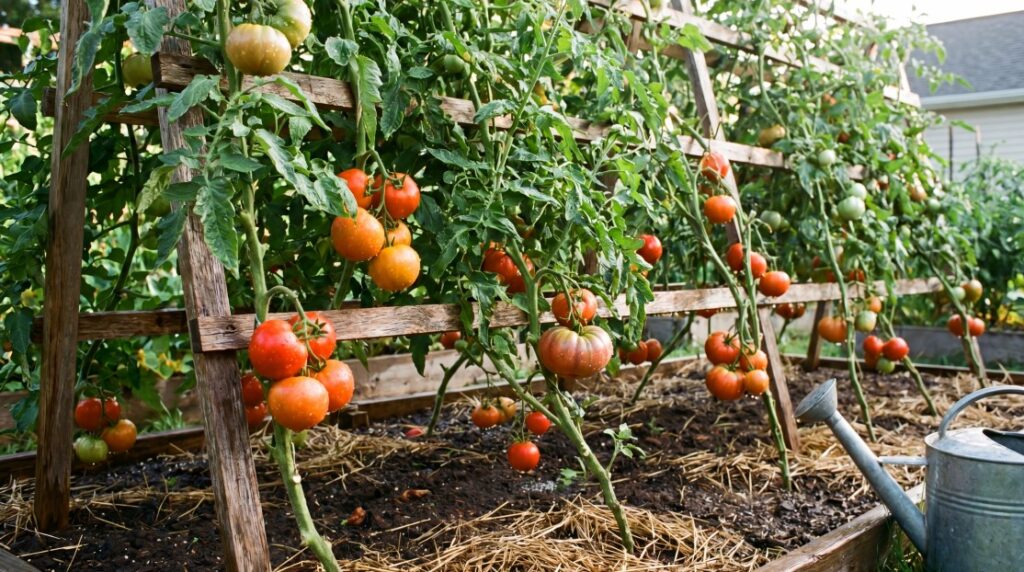
Watering is one of the simplest gardening activities. Unfortunately, many people make most of the Gardening mistakes here, especially the new gardeners. When you water your crops too much, you suffocate roots and promote fungal diseases, and when you water too little, your crops get stressed and grow much slower.
How to avoid it:
Make sure to water deeply and regularly, but not excessively, to encourage strong root systems. Check the soil moisture before watering; if the top 2cm are dry, it’s time to water. Watering early in the morning is good for your crops as this reduces evaporation and the risk of disease.
4. Planting Too Much Too Soon
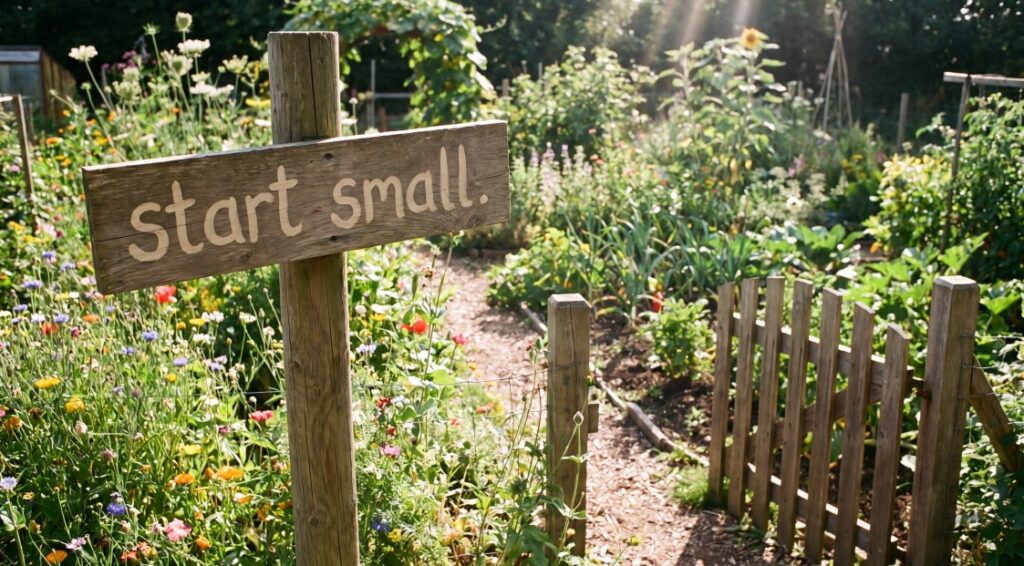
When I began gardening, I propagated tomato seedlings enough to be planted in an acre of land, when I was only able to manage an eighth of an acre. Excitement often leads beginners, like me several years ago, to plant more than they can manage. This is another good example of Gardening mistakes to avoid
How to avoid it:
Start small. Perfect your garden skills as you grow. Focus on a few crops you enjoy eating and gradually expand as you gain experience. Make sure to space correctly to reduce disease and pest pressure.
5. Skipping Crop Planning
Planning your garden is one of the most basic and effective ways to ensure continuity in your gardening journey. Failing to plan your garden layout is one of those Gardening mistakes that can quietly affect your harvest. Random planting often results in incompatible crops being grown together, inefficient or poor use of space, and crop rotation.
How to avoid it:
Start by creating a simple garden plan before you plant. Group plants from the same families together and ensure that crops are rotated each season to maintain soil fertility and reduce pest pressure.
6. Neglecting Pest Management
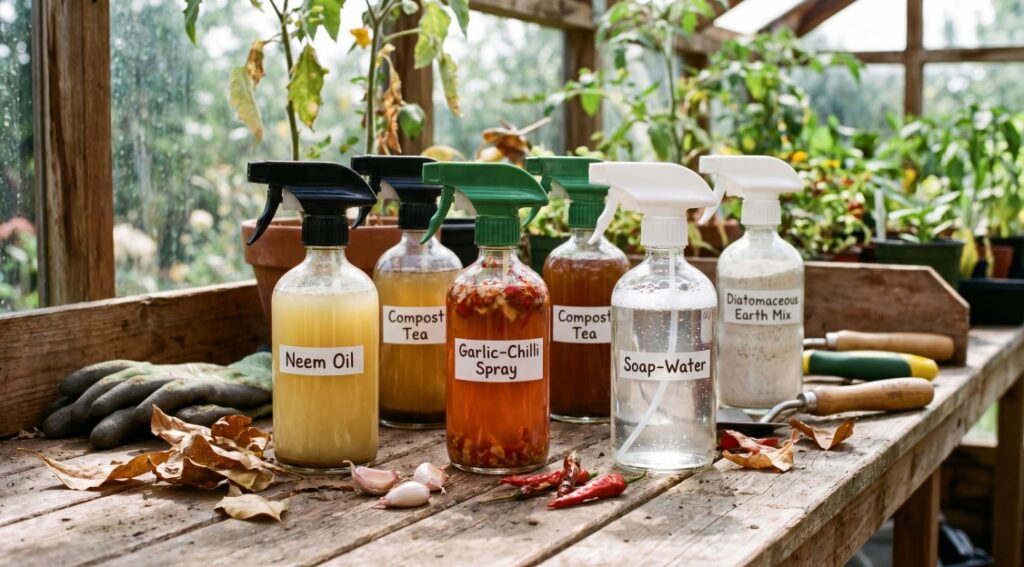
Pest infestation is one of the single greatest challenges for organic gardeners. And so pest control should be the number one priority for any gardener. In fact, overlooking pest control is among the most damaging Gardening mistakes you can make. If pests are unchecked, they can destroy a whole crop within the shortest time.
How to avoid it:
Inspect your plants regularly for signs of damage. Use natural methods like companion planting, neem oil, or introducing beneficial insects such as ladybugs. Healthy plants are also more resistant to pests, so proper care is key.
Learn how to Protect Your Garden Without Poisoning the Planet here
7. Using the Wrong Plants for Your Climate
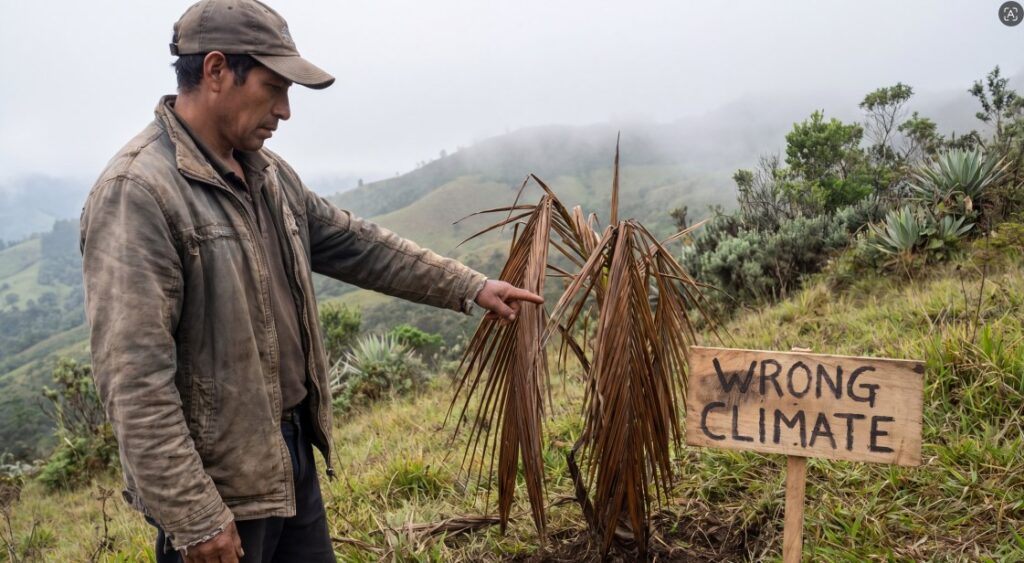
Many gardeners have planted crops in their gardens which do not thrive in that locality. Trying is very good, but when it comes to growing in a substantial size of garden, always be sure that you are on the right climate. Planting crops that aren’t suited to your local climate is a serious Gardening mistake to avoid. Some plants thrive in cooler temperatures, while others need heat to grow well.
How to avoid it:
Choose crops that are well-adapted to your region and season. Pay attention to planting calendars and local recommendations to maximize success.
8. Not Feeding Your Plants Properly
Applying consistent nutrients to your crops during the growing season is important for your garden to thrive. Some gardeners assume that the initial work done before planting is enough to nourish the crop during the whole growing season. Doing so is one of the assumptions that initial soil preparation is enough.
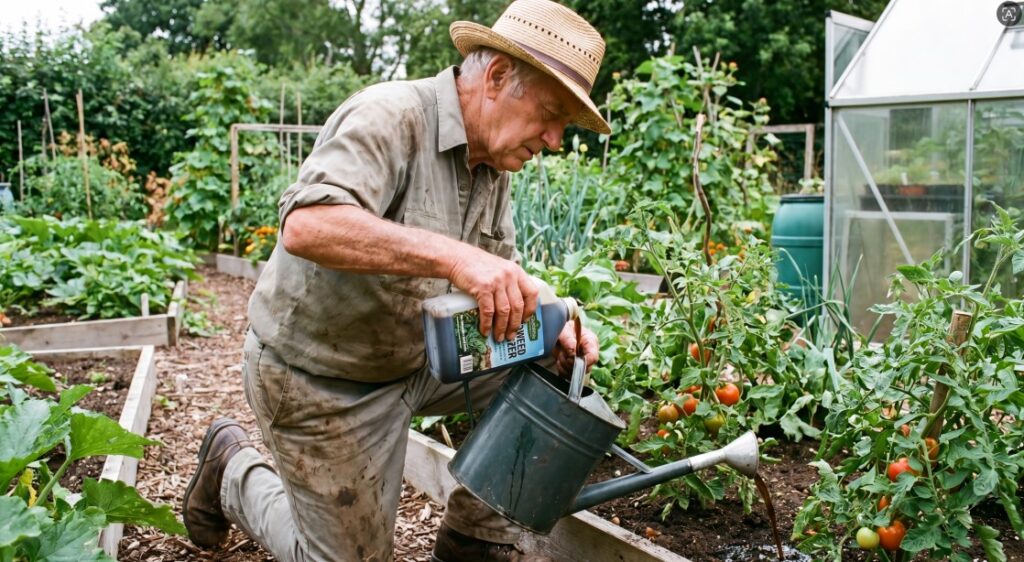
How to avoid it:
Make as many organic fertilizers as possible, such as compost tea or bone meal, to replenish nutrients. Make sure you have a feeding program to ensure consistency.
Learn How to Make Organic Fertilizer with Comfrey here
9. Lack of Patience and Consistency
Gardening is a process. And this process never ends in a day. To expect quick results is one of the more subtle Gardening mistakes that can lead to frustration and neglect.
Successful gardening is an ongoing learning and observation.
How to avoid it:
Be patient and remain consistent with your gardening routine. Do everything as best as you can. Regular watering, weeding, and monitoring will gradually lead to healthier plants and better yields.
Conclusion
Make every effort to avoid these common Gardening mistakes. If you do, you can make a significant difference in your organic gardening journey. Choose the right location, improve your soil, manage water properly, stay consistent, and you set the foundation for a successful garden.